



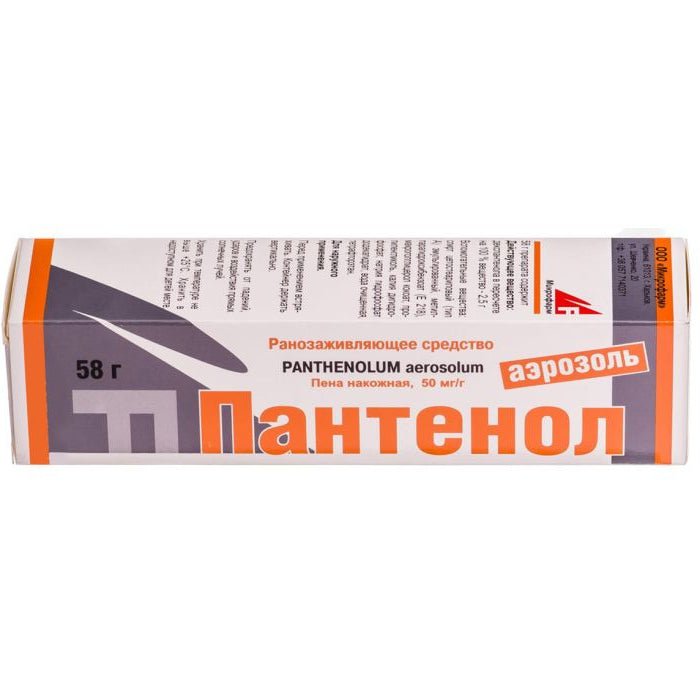

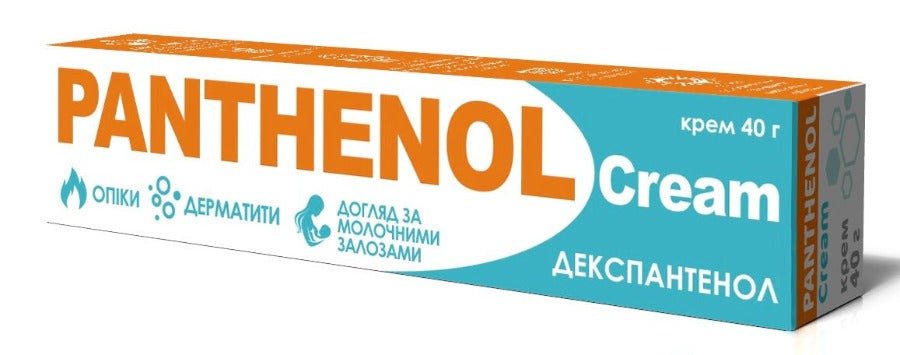
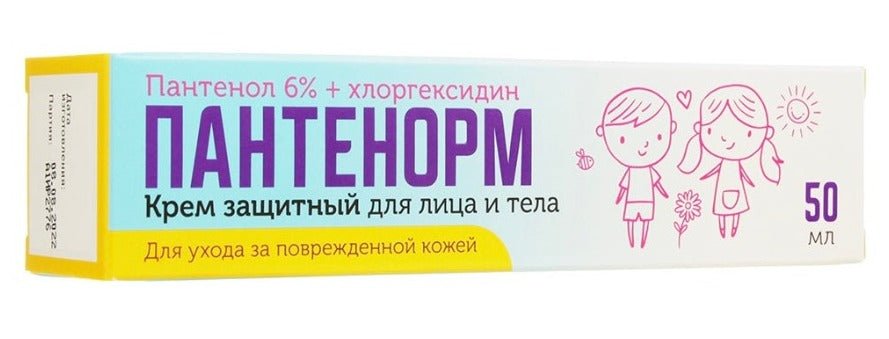


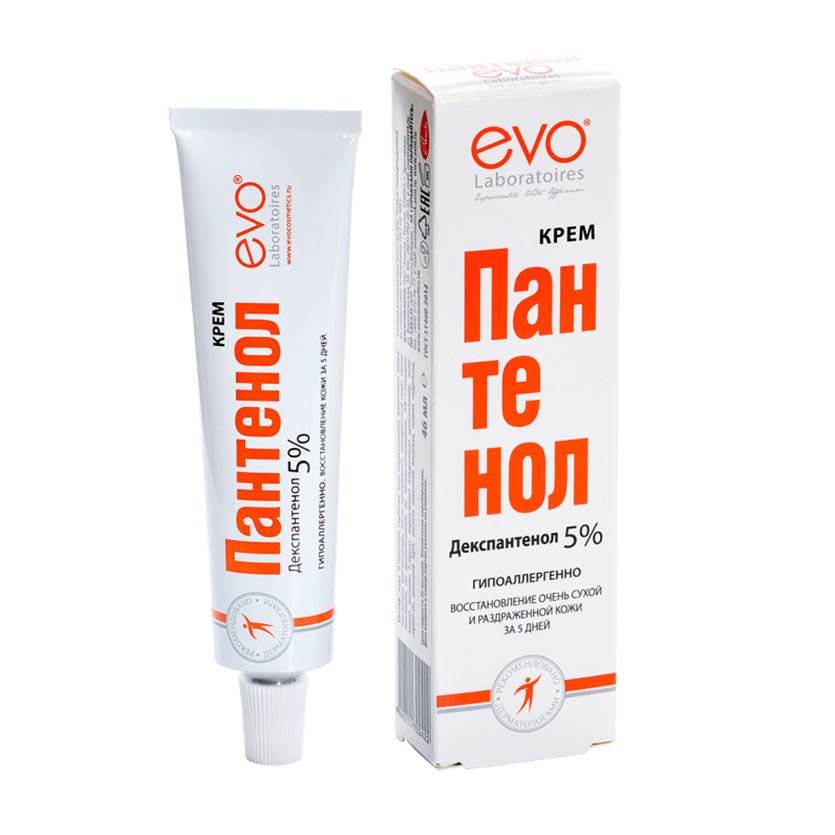


Panthenol is the everyday name for dexpanthenol, an ingredient that the skin quickly turns into pantothenic acid, one of the B vitamins, which is why it is often called provitamin B5. For many families it is the white foam from a spray can that goes on skin reddened by the sun at the end of a beach day, the balm for a baby's skin under the diaper and for cracked nipples during breastfeeding, and the cream for hands that have cracked in the cold. Under one name there are several forms and several brands: Panthenol spray, D-Panthenol balm, Panthenol cream from Teva, Bepanten and Pantenorm.
What follows covers what panthenol is used for according to its leaflets, what to do with a sunburn or a minor household burn, where panthenol should not be applied, which side effects it can have, and how the different forms and brands differ.
What panthenol is used for
The leaflets for panthenol products describe dexpanthenol as an ingredient that supports the skin in restoring itself. The forms differ in their base, but the list of uses is similar:
- minor burns, including sunburn;
- small skin damage, such as scrapes, cuts and cracks;
- dry skin, including dryness that comes with dermatitis;
- daily care of skin that is most exposed to cold, wind and water, such as the face and hands;
- cracked and reddened nipples during breastfeeding;
- a baby's skin, for diaper rash and chafing.
The leaflet of the 5% cream from Teva sold on USA Apteka adds a few more situations: skin irritated after radiation, light or ultraviolet procedures, long-lasting skin ulcers and bedsores, small tears around the anus, care of the skin after a skin graft and care of the skin during and after the use of steroid creams. Several of these are situations that a doctor oversees, and panthenol is used in them only as part of that care.
What do the studies say? Reviews of dexpanthenol research, including those written with the participation of the company that makes Bepanthen, describe its moisturizing effect and its support of the skin's protective barrier, and older studies found that it soothed reddening caused by ultraviolet light. The same reviews note that the exact way dexpanthenol works is not yet fully understood. In other words, panthenol is a reasonable helper for minor skin troubles, not a product that closes deep wounds. A wound that is deep, will not stop bleeding or shows signs of infection needs a doctor.
Panthenol for burns: what to do with a sunburn or a household burn
Panthenol for burns is the reason most people buy it, and the order of steps matters more than the product.
For a sunburn, MedlinePlus, the US government health library, advises taking a cool shower or bath or putting clean, cool, wet washcloths on the burned skin, drinking plenty of water and wearing loose cotton clothes. If the skin is not blistering, a moisturizing cream may be applied to ease the discomfort, and panthenol foam or balm is one of the options that its leaflet names for sunburn. MedlinePlus also warns against products with benzocaine or lidocaine, which can cause an allergic reaction in some people and make the burn worse, and asks people not to pick at or peel blisters. If there are blisters, dry bandages help protect them. For pain, MedlinePlus mentions ibuprofen or acetaminophen and reminds that aspirin is not given to children.
For a small household burn, from a hot pan or boiling water, the skin is first cooled under cool running water until the burning eases, and only then is a thin layer of panthenol applied. Putting anything greasy on a hot burn straight away is a common mistake. Blisters are not popped, and the spot is protected from rubbing.
The spray is shaken before use, as the can says, and the foam is spread over the burned skin without rubbing. The can is under pressure, so it is kept away from heat and direct sun and is never pierced or burned, even when empty.
MedlinePlus advises contacting a doctor right away if a sunburn comes with a high temperature, or if there are signs of a serious reaction:
- feeling faint or dizzy;
- a fast pulse or fast breathing;
- extreme thirst, no urine or sunken eyes;
- pale, clammy or cool skin;
- nausea, chills or a rash;
- painful eyes that are sensitive to light;
- severe, painful blisters.
A household burn larger than the palm, a burn with blisters on the face, hands or genitals, a burn in a baby and any chemical or electrical burn also need a doctor, and home creams are not applied before the visit.
Where panthenol should not be applied
The leaflets of panthenol products name only one contraindication: sensitivity to dexpanthenol or to other ingredients of the product. That does not mean panthenol suits every situation, and a few limits come from common sense and from the leaflets of similar products in other countries.
Panthenol is not put on:
- deep wounds, punctures and wounds that keep bleeding;
- heavily soiled wounds that have not been cleaned;
- skin with signs of infection, such as redness that spreads, heat, swelling or pus, or skin that weeps: the French leaflet of Bepanthen 5% balm names infected and weeping skin conditions as a contraindication;
- the eyes, which the same leaflet asks to avoid; with the spray, it helps to spray the foam onto the palm first and then spread it on the face rather than spraying straight at it.
On mucous membranes, panthenol is used only where its own leaflet allows it: the Teva cream, for example, names small tears around the anus and changes on the cervix, and the balms are used on the nipples during breastfeeding. For anything inside the nose, mouth or vagina, a product made for that purpose is better, and a doctor can suggest one.
During pregnancy and breastfeeding, the Russian leaflet of panthenol by Pharmstandard allows its use. For a newborn or a premature baby, any product for the skin is best agreed with a pediatrician.
Possible side effects of panthenol
Panthenol is usually well tolerated. Reviews describe a minimal risk of skin irritation or sensitization, and the leaflets mention allergic reactions as very rare: itching, redness or a rash where the product was applied. Some forms contain lanolin, which can itself cause skin reactions such as eczema in people sensitive to it, and the Teva cream sold on USA Apteka has lanolin in its list of ingredients.
If itching, redness or a rash appears, the product is washed off with water and not used again. A reaction that does not settle within a day or two is shown to a doctor. Swelling of the face, lips or tongue or trouble breathing after any product is a reason to call 911.
Panthenol, D-Panthenol, Bepanten and Pantenorm: how they differ
The key ingredient in all of them is dexpanthenol, usually at 5%, and the difference lies in the base and in what else is added:
- Panthenol spray is a foam aerosol, convenient for a large area of burned skin because it does not need to be rubbed in;
- D-Panthenol balm has a greasy base that stays on the skin as a film, which suits cracks, chapped areas and a baby's skin under the diaper, often at night;
- Panthenol cream from Teva has a lighter base that soaks in quickly and suits a larger area, the hands and the face during the day;
- Bepanten is the original brand of dexpanthenol products, with its own balm and cream;
- Pantenorm creams contain 6% panthenol: one is a moisturizing cream for dry skin, the other a protective cream that also contains chlorhexidine, a germ-fighting ingredient.
Choosing between them is mostly a matter of where the product will go. On a large burned area, foam is easier. On a crack that opens again overnight, a greasy balm holds better. On the face and hands during the day, a cream does not leave shine. Any of them can be replaced by another form with the same 5% dexpanthenol, and a doctor or the leaflet can help with a particular case.
Panthenol stands next to the bandages, while the neighbors below are taken by mouth, and yet each of them shares an occasion with it.
- Cardiomagnil combines aspirin and magnesium hydroxide and is taken daily on a cardiologist's advice to protect the heart and blood vessels. With aspirin, bruises appear more easily and a small scrape can bleed longer, so panthenol goes on a scrape only after the bleeding has stopped and the skin has been cleaned. Bleeding that does not stop after several minutes of pressure is a reason to see a doctor, and Cardiomagnil itself is started and stopped only with a doctor.
- Aflubin is a homeopathic product in drops and tablets that many families take out at the start of the cold season. Its effect on seasonal viruses has not been shown in good studies, and the drops contain alcohol. During a cold, the skin under the nose often gets raw from tissues, and a thin layer of panthenol cream helps it. A cold with a high temperature or one that lasts more than a week needs a doctor.
- Fervex is a hot drink powder for adults with paracetamol, pheniramine and vitamin C. Paracetamol is found in many cold products, so Fervex is not taken together with them, and pheniramine can make a person drowsy. Panthenol does nothing for a cold inside the body, but it helps the cracked lips and nose that often come with one.
Panthenol's own job here is sunburn, small burns, cracks and a baby's skin, in the form that suits the family, and the spray can is kept away from heat.
Kits differ from home to home, because skin and habits differ too. None of these products replaces a doctor, and a burn or a wound that does not close or looks worse each day is worth showing to one.
Where to find
Panthenol spray 58 g, D-Panthenol 5% balm in 25 g and 50 g tubes, Panthenol 5% cream 35 g and Pantenorm creams 50 ml can be ordered from USA Apteka in the original packaging of their manufacturers. Delivery within the US, including Hawaii and Alaska, is free over $69, while orders to other countries ship at a paid rate regardless of the total. The care team answers questions about the products or stock in the chat on the website or on WhatsApp, and regular customers have a bonus program and seasonal sales.
Store panthenol as the leaflet asks, keep the spray can away from heat and out of children's reach, and check the date on the pack. For a large or deep burn, a wound that does not close or a rash after use, see a doctor.
Please Chat with us or send us a message on WhatsApp