



A modern approach to joint support is built not around one universal solution, but around understanding the cause of pain and the specific issues that need to be addressed

Winter is winding down, and we're all eagerly anticipating the awakening of nature, a time of renewal and freshness. Yet, after enduring winter's short, sunless days and dry air, we often find ourselves emerging into spring feeling depleted, with lackluster hair and dull, parched skin.
Our bodies require time to adjust to the changing seasons. In this article from USA Apteka, a Russian online store in the USA, we'll explore the changes that occur in our bodies during spring due to vitamin deficiencies, identify discomfort that may indicate a lack of vitamins, and discuss strategies to rejuvenate our bodies and embrace spring with vitality and health.

In northern latitudes, where days are short and sunlight is scarce, winter brings an acute shortage of vitamin D, impacting our mood, weakening our immunity, and leaving us feeling fatigued and more susceptible to conditions.
Moreover, our winter diet often features fewer fresh vegetables and fruits, leaning instead towards carbohydrate and fat-rich foods for energy. This shift can lead to weight gain and, in some cases, vitamin deficiencies.
Vitamin deficiency manifests in various ways, depending on which vitamins your body lacks. Common discomforts include quick fatigue, reduced activity levels, frequent conditions, dry and flaky skin, brittle nails and hair, and diminished night vision. If you're experiencing any of these signs, it's time to take action and adjust your diet.
Research indicates that increasing your intake of omega-3 fatty acids, found in fatty fish like salmon, herring, and mackerel, can enhance mood and reduce irritation. Omega-3s are also plentiful in flaxseed oil and nuts.
Even towards winter's end, the United States offers a bounty of seasonal foods rich in vitamins and minerals. Citrus fruits, for instance, are excellent sources of vitamin C, bolstering the immune system. Kiwis and bell peppers also boast high vitamin C content.
Focus on foods rich in iron (meat, liver, legumes) and calcium (dairy products, green leafy vegetables). Cabbage varieties, including Brussels sprouts, kale, and broccoli, are loaded with antioxidants and vitamin K, crucial for bone health.
Proteins shouldn't be overlooked. Eggs, chicken, turkey, and legumes (lentils, beans) supply essential proteins and amino acids, fostering tissue repair and growth.
To maintain a balanced diet and avoid overeating, consider the Harvard Plate method.
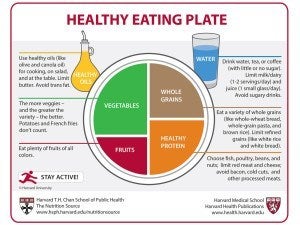
Here are a few healthy and diverse meal ideas for this period:
Vitamin D is crucial for immune and bone health. To replenish your body at winter's end, incorporate foods like fatty fish, eggs, and dairy products into your diet.
Engage in regular physical activities such as gym workouts, yoga, dancing, swimming, or morning runs. Exercise not only aids in maintaining a healthy weight but also boosts mood through endorphin release.
Make the most of sunny days by spending at least 30 minutes outdoors, which can invigorate you and help counteract vitamin D deficiency.
For those struggling to get all the necessary vitamins from food alone, consider supplementing your diet with vitamins and minerals. Vitamin D, omega-3s, B-complex vitamins, and magnesium are particularly beneficial during late winter.
To regain energy and combat the discomfort of vitamin deficiency as winter transitions to spring, consider the following herbs and extracts:
A diet enriched with vital vitamins and minerals, regular exercise, and outdoor walks can prevent vitamin deficiency and ensure you greet spring in peak health and spirits. Don't forget about the quality supplements available from our store, delivered right to your door across America, free for orders over $69.
USA Apteka is here to help you navigate vitamin deficiency and rejuvenate your health and beauty. Let's make this spring vibrant and energetic together. We care about you and your well-being, so we're always ready to offer the best advice and products.
A modern approach to joint support is built not around one universal solution, but around understanding the cause of pain and the specific issues that need to be addressed

They are supportive agents that work best alongside lifestyle changes and elimination of damaging factors

This balm is used for a wide range of skin issues - from minor injuries to persistent irritation