



























The antiviral category, the familiar antiviral items for the cold-and-flu season, is one of the most discussed corners of any home cabinet. Every year, as the cold season begins, customers come back to the same questions: what to reach for on the first day of feeling unwell, what really works against the virus, what fits a child and what fits an adult, what is safe and what is wishful thinking. On USA Apteka, this category brings together familiar CIS-region names: Arbidol, Ingavirin, Viferon, Anaferon, Ergoferon, Remantadin, Kagocel, Grippferon, Cycloferon, Amixin, and a few narrower items selected by indication. It is a complex and mixed category: some items act directly against specific viruses, others work through the body’s own response, and a third group acts locally on the lining of the nose. This article walks through that variety so that the choice becomes a calmer one, made by reason rather than by the loudest brand of the moment.
What the antiviral category includes for seasonal viruses
To read the category clearly, it helps to split it into groups:
- targeted antiviral items - designed to act against specific viruses;
- outside-sourced interferon items - carry ready interferon and work on the nose lining or whole-body;
- homeopathic and combination items - formally placed in the antiviral category.
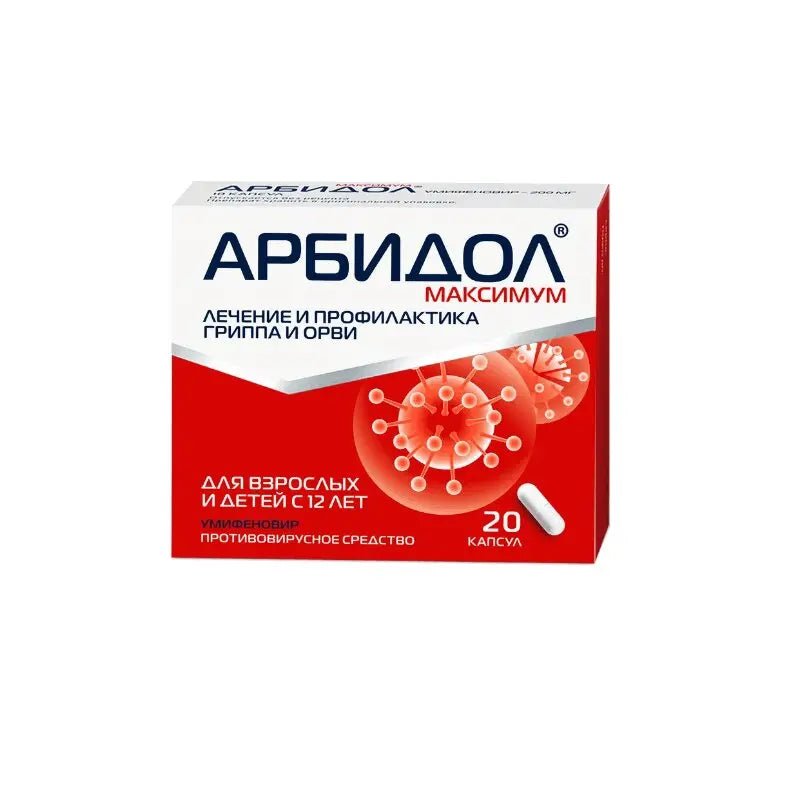
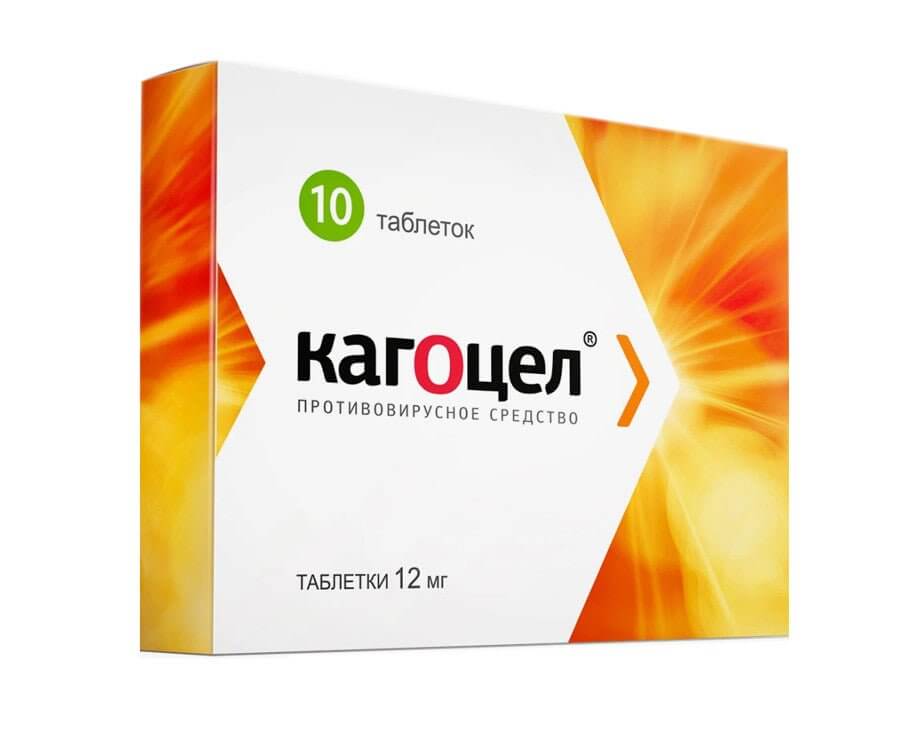
The first group is the targeted antiviral items, designed to act against specific viruses. International practice in this area includes the neuraminidase blockers (Oseltamivir, better known under the Tamiflu name, and Zanamivir), which act against the seasonal flu virus of types A and B and work best with an early start, in the first 48 hours after the first signs appear. CIS-region practice also relies on Arbidol (umifenovir), Ingavirin (a small-molecule item with a longer chemical name), and Remantadin (rimantadine), each with its own range and its own limits. A separate subgroup includes the so-called interferon inducers: Kagocel, Cycloferon, Amixin, which act by encouraging the body to produce more of its own interferon.
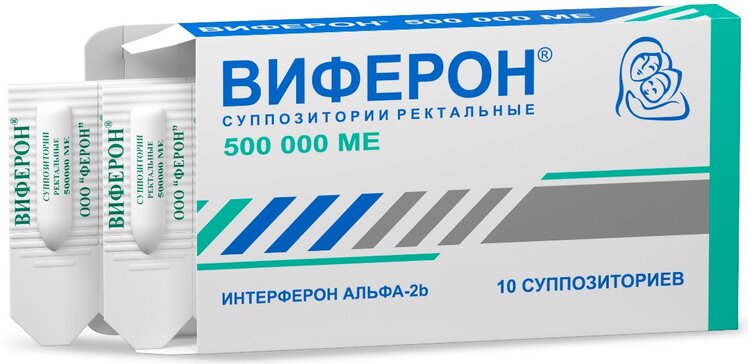
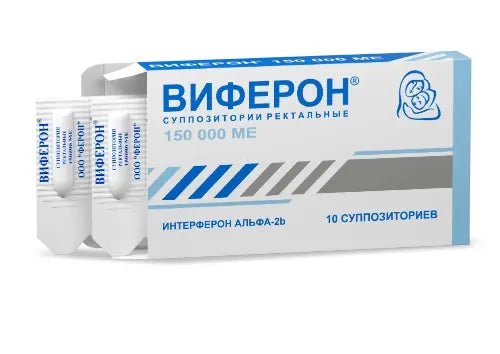
The second group includes items based on outside-sourced interferon. Names here include Viferon, Grippferon, Genferon, and other formats carrying ready human recombinant interferon alfa. These work locally on the lining of the nose (drops, sprays) or whole-body (rectal pieces). They are used both as seasonal preparation and as part of supporting an active illness, and they are especially common for very young children, where the choice of systemic antiviral items is much narrower because of age limits. The range of viruses covered by interferon-based items is wider than that of the targeted antivirals, and they act against several respiratory viruses at once, not just the seasonal flu.
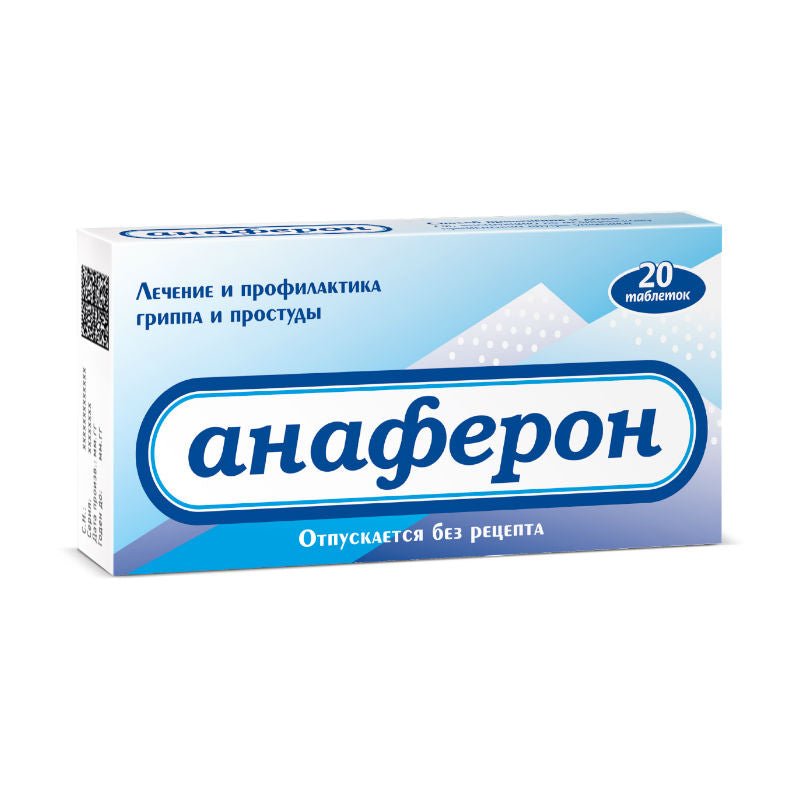
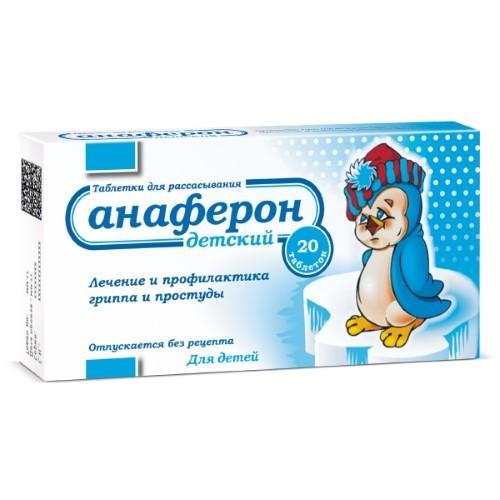
The third group contains homeopathic and combination items formally placed in the antiviral category. Anaferon is an example, in adult and children’s formats. This group is the most debated internationally in terms of the strength of evidence behind it. Some specialists view these items as having only minimal proven effect; others see them as part of the established CIS-region clinical routine. In real life, these items sell steadily every cold season, and the decision to use them remains with the patient and the treating doctor.
It helps to understand a single shared truth about every group above. No item in any of them works as «a piece that switches the illness off». Every antiviral item lowers viral load, shortens the length of the illness, and makes its course easier to live through, but none of them erases the fact that the illness is happening. The effect of each specific item depends on the type of virus, on the stage of the illness, on the age of the patient, and on background health conditions. That is exactly why the right choice is never «take the most popular item» but always «take the item that fits this specific situation». A long stretch of illness often loads the digestive system in general and the liver in particular; if a seasonal virus stirs up older complaints around the pancreas, the wiser move is to discuss that with a doctor rather than to «handle» it from the home cabinet alone.
The most talked-about items in the antiviral category: overview and benefits
When readers search for «the most effective items in the antiviral category», what they usually mean is one of two things. Either «an item with the strongest proven action against the seasonal flu», or «an item that feels like the biggest relief during the first day of illness». Two different questions, with two different answers. From an international clinical guideline angle, the strongest proven action against the seasonal flu sits with the neuraminidase blockers, Oseltamivir and Zanamivir. With an early start, in the first 48 hours after first signs appear, they shorten the period of elevated temperature and ease the course of the illness by an average of about a day and a half. Not a switch, but a real measurable effect, confirmed in large clinical study programs.
Among items more common in CIS-region practice, several names stand out. Arbidol (umifenovir) is a Russian development, widely used in everyday clinic practice; it carries a range against several variants of seasonal flu A and B and some other respiratory viruses. The evidence behind it is openly discussed, with both supportive and critical published work. Ingavirin is a Russian item with a similar positioning; the standard course is short, usually five to seven days. Kagocel is a Russian interferon inducer, available in adult and children’s formats. Viferon in the form of rectal pieces is one of the most popular items for very young children: easy to give, used in supporting care for seasonal viruses. Grippferon as nose drops or a spray delivers interferon directly on the surface of the nose lining, and is convenient at the very first signs and as a preparation step after contact with a sick relative.
It is worth keeping in mind the difference between «first-choice item in international guidelines» and «usual item in the country a person lives in». In the United States, for example, a first-line doctor at the start of a seasonal flu usually considers Oseltamivir (Tamiflu); in CIS-region practice the same row often includes Arbidol, Ingavirin, Viferon. This is not a question of «right and wrong»; it is two different practice traditions and two different evidence bases recognized by different regulatory systems. Many customers in the United States want the «familiar item from home», and that is exactly the niche USA Apteka covers, since regular American retail does not carry these names. At the same time, a treating doctor in the United States may follow the international guideline and suggest something else, and the choice of «which antiviral to take» is best discussed with the doctor rather than driven by habit alone.
When the topic shifts to the subjective «relief during the first day», a different category often takes the lead: combination hot sachets such as Theraflu, Coldrex, Antigrippin. They are not antiviral items in any technical sense, but they bring the most visible relief from elevated temperature, blocked nose, and body aches. A different category altogether, and the distinction matters: a hot sachet eases the way the illness feels, but does not act against the virus itself. If the goal is to shorten the illness, the choice belongs to a targeted antiviral item or an interferon-based format. If the goal is to live through tonight more comfortably, a combination sachet does that job. The two are sometimes used in parallel, by a doctor’s plan, never by reflex.
A separate note on the children’s part of the category is useful. For children under one year, the choice of systemic items in the antiviral category is sharply limited by age; in that range, interferon-based formats take the lead, in the form of rectal pieces (Viferon in children’s doses) and nose drops (Grippferon). For pre-school and early school-age children, the list expands to children’s Anaferon as soft lozenges, children’s Ergoferon as soft pieces and a syrup, and children’s Kagocel by its own schedule. Each item carries its own lower age threshold, clearly written in the producer’s leaflet, and splitting «adult» pieces for a child is never a workable choice. The decision to add a systemic item from this category for a young child belongs to a pediatrician, not to a parent with a search engine.
The strengths of the antiviral category overall are clear:
- shorter illness;
- lower risk of a heavier course in certain groups (older readers, people with long-running conditions, pregnant readers by indication);
- lower viral load and lower chance of passing the virus to relatives.
The trade-offs are also clear:
- a narrow window of best effect (the first 48 hours for most targeted items);
- possible side effects and cost;
- uneven evidence behind some Russian-market items.
In real life, the choice of an antiviral item is always a balance between expected gain and acceptable risk, and that balance is best calculated by a doctor who sees the bigger picture, not by an article in a magazine.
How to pick the right item from the antiviral category
«The best antiviral» is never one specific name; it is the item that matches your specific situation. The same question turns up as a search for an «effective antiviral» or for «good antiviral items», and the answer is always the same: there is no universal one. The main factors of choice are:
- the type of virus (seasonal flu or another respiratory infection);
- the stage of the illness (first hours, first day, or already day three);
- the age of the patient and background health conditions;
- history of tolerating items of this category before.
An adult without long-running conditions and not pregnant has the widest choice; a child has a narrower one defined by age; a pregnant reader has the narrowest one, and only with a doctor’s input. This simple logic cuts through most of the «universal advice» that floats around the internet: the same item is the right choice in one situation and the wrong one in another.
With a classic seasonal flu picture - sharp start, temperature above 38.5, deep body aches, real weakness - the sensible move is to see a doctor as early as possible. If the doctor confirms a seasonal flu and no limits apply, international practice often opens with neuraminidase blockers (Oseltamivir as pieces, Zanamivir as inhaled use). CIS-region practice often adds Arbidol, Ingavirin, Viferon by age and by the doctor’s choice. One principle holds across all of them: the earlier the start, the better the chance of changing the course of the illness. Two or three days after the first signs, the effect of most of these items shrinks; the course is still completed, but expectations are more modest.
In milder seasonal viruses, especially for children who fall ill often and for adults under seasonal load on the body’s response, interferon-based items (Viferon, Grippferon) and interferon inducers (Kagocel, Cycloferon) are often used in real practice. The choice depends on the age and the preferred format: for young children, rectal pieces (Viferon) and nose drops (Grippferon) are convenient; for adults, soft pieces are usually the easier path. These items are often part of a combined plan rather than a single one, and they pair well with comfort items when needed. A self-selected choice without a doctor is possible in this group, but decisions about heavier items (especially systemic interferon inducer pieces) are better made in conversation with a specialist.
When the antiviral category is not needed
It is worth naming the situations in which an item from the antiviral category is clearly not needed. A light one-day cold without any temperature, that fades on its own across two or three days, usually does not need an antiviral: warm drinks, rest, salt-water nose rinses close that picture faster than any single product. The «I have a meeting tomorrow, must not fall ill» situation is also not a reason for a systemic antiviral: the preventive effect of most items here is modest, and a «just in case» dose adds load without a clear gain. The opposite case is also worth naming: a strong stretched chest issue in week three or four of the illness is not the territory of the antiviral category, and the decision belongs to a doctor, usually paired with more checks. A long illness often shifts appetite and eating habits, and weight can move in either direction during and after; rebuilding eating habits after the illness is wiser to do gradually, not with dedicated weight-related items, which are picked for different reasons and have nothing to do with the past infection.
Items in the antiviral category as soft pieces: when and how to take them
Most systemic items in the antiviral category come as soft pieces or capsules for use by mouth. The basic rules of use are similar across them, but the specific dose and schedule are always written in the leaflet of the specific pack, and that leaflet outweighs any general summary. The baseline principle is to start as early as possible: the optimum window for most targeted antivirals is the first 48 hours after the first signs appear. Three days in, the effect shrinks; five to seven days in, the use usually loses its sense. Courses are short, typically five to seven days; for some items, three to five.
These pieces are taken on the producer’s schedule: some before meals, others after; some twice a day, others three times. Swallow with water, do not chew unless the leaflet says otherwise. Do not cross the daily limit and do not double a missed dose: simply take the next one at the usual time. If another course is running in parallel by indication, discuss the combination with a doctor or a knowledgeable team member: several items in this category interact with blood-thinning items, with items processed through the liver’s cytochrome system, and with certain blood-pressure-easing pieces.
Doses of the main items
This is only a guide; the exact schedule always sits in the pack leaflet:
- Oseltamivir (Tamiflu) for adults - usually 75 mg twice a day for five days; for prevention, once a day for ten days; for children, the dose is calculated by weight;
- Arbidol for adults - 200 mg four times a day for five days for active illness, with a different schedule for preparation;
- Ingavirin for adults - one 90 mg capsule once a day for five to seven days;
- Viferon in rectal pieces - picked by dose and age, usually twice a day for five to ten days.
The specific schedule in every case sits in the producer’s leaflet, and the leaflet has priority over any general guide. If for any reason the leaflet inside the box is hard to read, the USA Apteka support team can send an electronic copy of the insert on request through the chat.
A particularly common mistake is using a piece from the antiviral category «together with an antibacterial item» for a regular cold. Antibacterial items act only against bacteria, and in a typical seasonal virus they do not work; adding them on top of an antiviral course for a regular viral infection does not speed recovery, but does add side load and the risk of disturbing the gut. Pairing an antiviral item with an antibacterial item is reasonable only when a bacterial complication is confirmed (for example, a bacterial sinus issue, a chest complication, an ear complication), and that decision belongs to a doctor, not to the patient. Adding an antibacterial item by reflex «just in case» is a widespread but harmful pattern, both for the individual patient and for the broader resistance picture.
A few general practical notes. Items in the antiviral category are not stacked «just to be safe»: taking two different items in parallel «for reliability» rarely brings extra gain and sometimes only adds side load. Alcohol during a course of an antiviral item is not advised in most cases: beyond the general liver load, it can change how the active component is processed by the body. Full sleep during an antiviral course is not a polite suggestion but a real part of the plan; viral load drops faster in a body that sleeps than in one that keeps working. If during the course an unusual response appears - a rash, marked nausea, heart-rate awareness, dizziness - the course is paused and a doctor is contacted. In most cases an intolerance shows itself in the first day of use.
Items in the antiviral category at the very first signs of illness
The first hours of an illness are the very window when the choice of an item from the antiviral category can really shift the picture. At this stage, reading the situation correctly and not losing time matters. The «here comes a seasonal virus» signal usually shows up as a small bundle of feelings at once:
- a scratch in the throat;
- a blocked nose;
- a sense of «something is brewing»;
- a background head heaviness;
- light shivers;
- an inner feeling that bedtime is coming early tonight. When these signs arrive in the evening, the wise pattern is not to push through, but to start the basics straight away (warm drinks, an aired room, an early night) and at the same time to consider the antiviral side of the question, if it fits the situation.
A separate, important topic is pregnant readers and nursing mothers. For most items in the antiviral category the leaflet states that use during pregnancy and breastfeeding is only allowed when the expected benefit outweighs the possible risk, and that the decision belongs to the doctor. This means that picking an item from this category for a pregnant reader «by analogy with a friend» is not the right move. Some items carry data supporting use by indication (Viferon as rectal pieces is allowed in most trimesters with the doctor’s permission, for example); others have limited data, and use is postponed. For breastfeeding, some items require a pause in feeding for the length of the course, others are compatible. Every one of these decisions belongs to the treating doctor, not to a web article.
At the very first signs, the local interferon-based formats fit best. Grippferon as nose drops or a spray puts interferon directly on the lining of the nose, where the first meeting with the virus happens, and does not require systemic use. For very young children, for pregnant readers with a doctor’s permission, and for people who prefer caution with systemic items, this is often the first pick. Viferon in rectal pieces is added when the picture is heavier; for infants and children under one year, this format often becomes the main one. Salt-water nose rinses go alongside as a regular routine: they lower viral load on the lining and keep it moist.
Systemic pieces from the antiviral category are added in the first hours only when the situation already looks heavier than a regular mild seasonal virus. With an early seasonal flu picture and a fast temperature rise, the move is to call a doctor right away and discuss a possible start of Oseltamivir or a CIS-region item chosen by the doctor. With a regular mild cold in a healthy adult without long-running conditions, reaching for a systemic antiviral item right away is not always necessary; often a local interferon-based format and the basics close the situation. The sensible logic is to match the item to the weight of the situation, not to go «all in» by reflex.
A long illness often disturbs the usual rhythm of the digestive system: forced rest, plenty of fluids, warm food, and lowered movement can lead to either loose stools or occasional constipation. When that lingers, calmer options from the home cabinet with a predictable composition fit better than the «grandmother’s» harsh tricks. A small side story, not directly tied to the antiviral course, but sometimes a real comfort during the first week of illness. With persistent digestive complaints, the conversation belongs to a doctor, especially when other items are running on top of the antiviral course.
One more important point - watching how the course goes. Across the first two or three days of an antiviral course, it helps to note how the body feels: is the temperature easing, is breathing returning, is the general tone improving. If by day three of the course there is no positive movement, or if things are getting worse, the right move is not to silently finish the course but to contact a doctor. Possible reasons include the wrong item for the situation, a developing complication, or a mistaken first read of the picture (for example, the situation is not a regular seasonal virus but something else). A timely switch of plan closes the question faster than patient completion of a poorly chosen course.
A short practical FAQ:
- Can items from the antiviral category be used «for prevention» every fall? Preventive use is sensible only in specific situations (for example, after contact with a sick family member) and usually in short courses by the leaflet; a constant winter-long course is not justified.
- Does an antiviral item help with herpes? It depends on the item: systemic anti-herpes items (Aciclovir and analogues) are a separate category, not to be confused with seasonal-flu items.
- Can an antiviral and an immune-support item run together? In most cases yes, with the doctor’s agreement, but doubled effect is rarely the outcome.
- When is a call to a doctor a must? With a temperature above 39 lasting more than two or three days, with breathing difficulty, with marked weakness, with chest pain, in young children and in older readers - with any negative shift in the picture.
- Can items in the antiviral category be used with chronic liver issues? Only with the permission and supervision of a liver-side specialist: several items are processed through the liver and need a personalized approach.
Where to find items in the antiviral category
The cold-and-flu category on USA Apteka brings a broad range together:
- Arbidol in different doses and pack sizes;
- Ingavirin;
- Viferon in rectal pieces for various age categories;
- Grippferon in drops and spray;
- Anaferon in adult and children’s formats;
- Ergoferon, Remantadin, Kagocel, Cycloferon, Amixin, and a number of more narrow positions.
Every item ships in the original factory pack from European and CIS-region producers. Most positions come in several pack sizes and doses, including children’s and adult versions.
Orders are placed online through the site, with shipping inside the United States and to international destinations. Free shipping inside the United States applies above the threshold shown on the cart page. The support team replies through chat and on WhatsApp during US East Coast working hours: confirms a specific position is in stock in the desired pack size, helps with a close alternative when a position is briefly out, checks the expiration date of the particular batch before shipping. Customers benefit from a loyalty program with points on repeat orders and seasonal sales during the high cold-season.
Every position comes in the original factory pack with the producer’s leaflet in Russian and, for many positions, in several languages, the blister or bottle, and the cardboard outer with the batch and expiration date. Storage follows the leaflet, in a dry, cool place, out of direct sunlight; most pieces and sachets work fine in a regular home cabinet, and syrups, nose drops, and rectal pieces sit in a closed cupboard away from heat. Some items, especially interferon rectal pieces and interferon drops, are kept in the fridge - the box always says so, and the USA Apteka team accounts for that in shipping with appropriate insulation. The team confirms cold-storage needs in advance and helps the customer pick a convenient delivery slot. When a delivery includes cold-storage items, picking it up on the same day and moving them into the fridge straight away keeps the items in good condition.
A separate layer is seasonal preparation and vaccination. The most reliable preparation for the seasonal flu is a seasonal vaccination by a doctor’s recommendation, especially for older readers, for people with long-running health conditions, for pregnant readers (in the second and third trimester by indication), for healthcare workers, and for children who fall ill often. Items from the antiviral category do not replace a vaccination and do not give the same length of protection; their role is in the moment of the first meeting with the virus or in the short preparation window after a contact. Households where basic preparation is in place (vaccination, hand hygiene, room airing, regular sleep) usually need items from the antiviral category less often than households without those habits.
The antiviral category is a corner of the home cabinet where the right choice is set by the actual situation, not by an advertising line. For one customer it is local interferon drops at the very first signs of a seasonal virus; for another, a short Oseltamivir course at the start of a confirmed seasonal flu by a doctor’s decision; for a third, a systemic interferon inducer for a frequently-ill child by a children’s doctor’s plan. Every one of these decisions sits with a doctor, not with a magazine list of «strongest items». USA Apteka brings together the familiar set of names, so a customer can simply order the needed item by shipping. A seasonal pattern of using items in the antiviral category looks different in different households, and the universal mistake is the «advice from a chat group» pattern, where items are chosen by fashion rather than by real task. With any doubt about a choice, a short conversation with the treating doctor beats a home experiment with a strong piece that might simply not fit the case at hand. A cold-season «kit» in a family cabinet is not a chase after the loudest item in the antiviral category; it is a small, calm set of items, picked for the household and trusted because it actually works in the household’s typical scenarios. Three or four steady positions, with a clear sense of what each one is for, beat ten different boxes nearing their expiration date that never got used.
Please Chat with us or send us a message on WhatsApp