





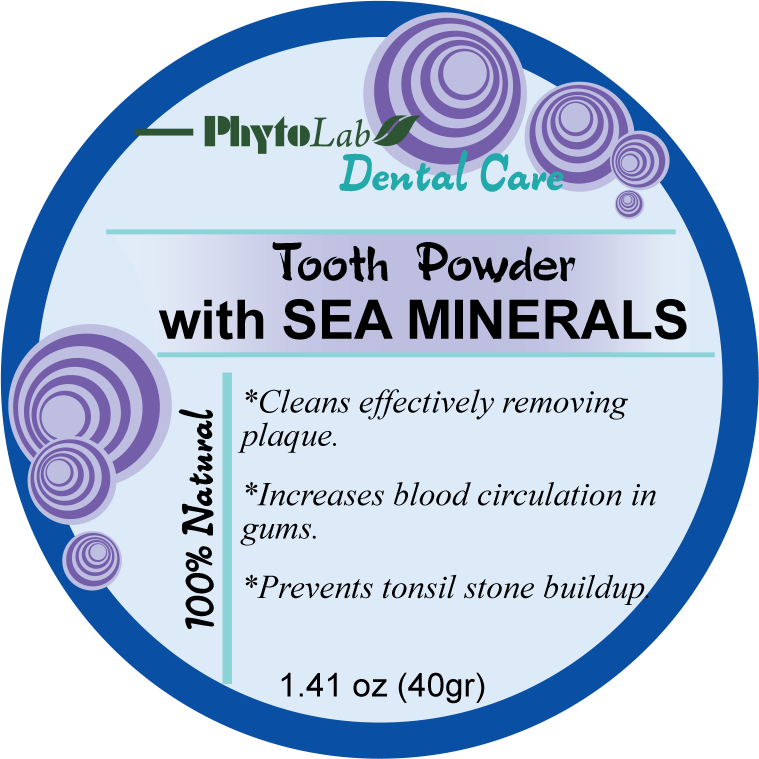

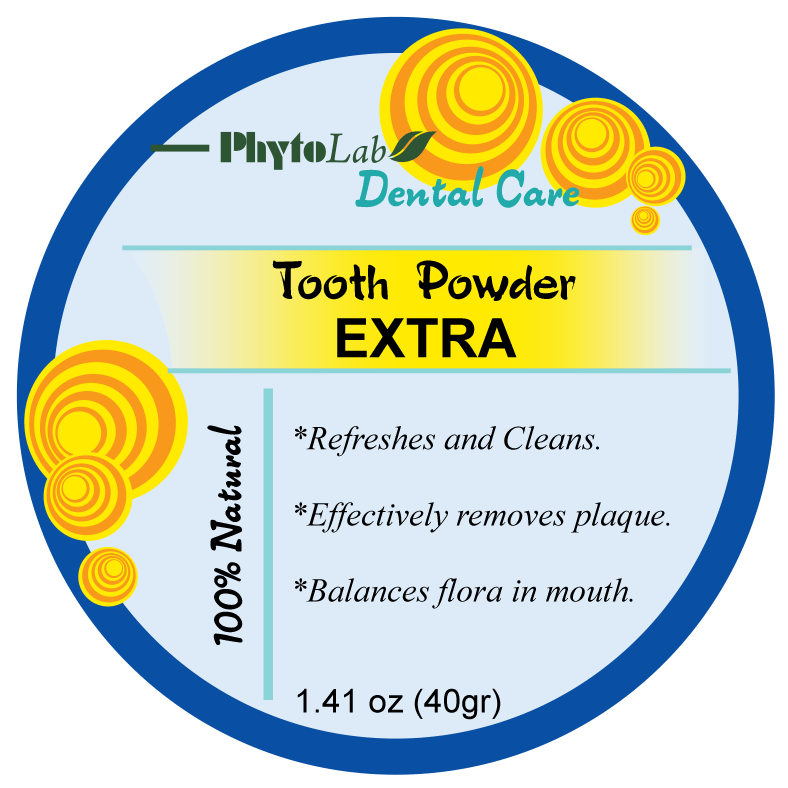

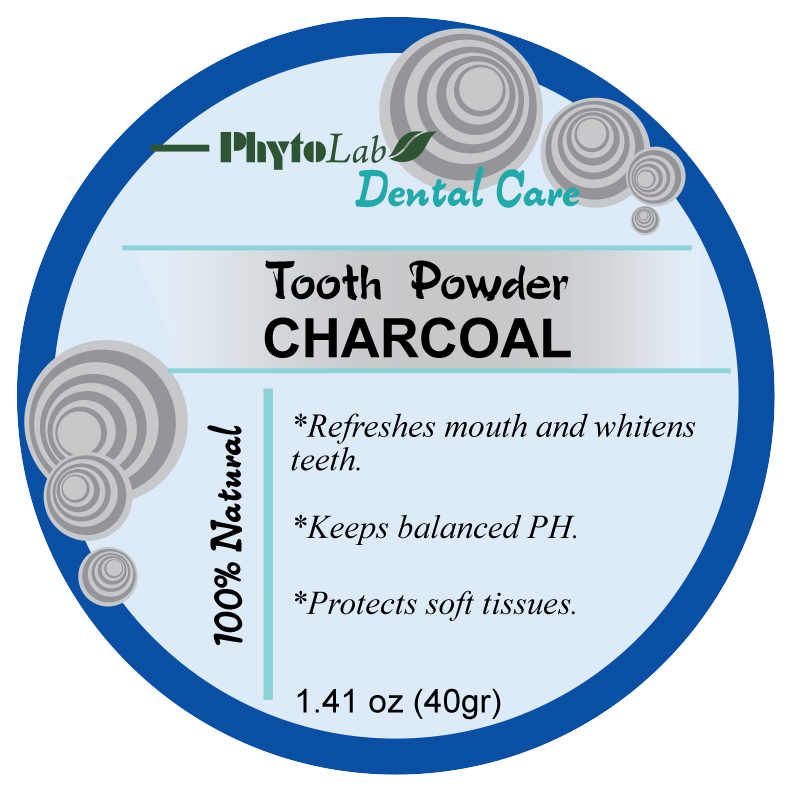

Tooth powder is the round box with a fine white powder that many Russian and Ukrainian families remember from their grandparents' bathroom shelf. A toothbrush was dipped into it before the morning brushing, and the clean, slightly squeaky feeling afterward was part of the routine. Tooth powder is still made today, with mint, sea minerals, herbs for the gums or charcoal, and some people prefer it to paste for its texture, its taste or simply out of habit.
This page explains how tooth powder differs from toothpaste, how to brush with it properly, whether it can be used every day, what is known about whitening and charcoal powders, and when a problem with the teeth or gums needs a dentist rather than a new product. The American Dental Association (ADA) has clear positions on several of these questions, and they are worth knowing before you choose.
How tooth powder differs from toothpaste
Both powder and paste clean the teeth with the help of fine abrasive particles that remove plaque as the brush moves. The difference lies in form and in what else is inside. Paste is a moist mix that usually contains fluoride and other active ingredients, while powder is dry and is applied to a wet brush.
The most important point concerns fluoride. According to the ADA, fluoride helps prevent tooth decay by strengthening enamel, the sodium fluoride, sodium monofluorophosphate and stannous fluoride used in toothpastes are the only cavity-prevention ingredients named in the FDA monograph, and a toothpaste must contain fluoride to earn the ADA Seal for cavity protection. The descriptions of the tooth powders in our store do not mention fluoride, so it is worth checking the pack of the specific powder.
The ADA also uses a scale of abrasivity called Relative Dentin Abrasivity (RDA). Toothpastes with an RDA of 250 or lower are considered safe and effective, and lifelong brushing with such a paste and a proper technique causes only limited wear of the dentin and virtually no wear of the enamel. For tooth powders, this value is usually not printed on the pack. If you have sensitive teeth, receding gums or worn enamel, ask your dentist whether a powder suits you.
How to brush your teeth with tooth powder
Brushing with powder takes a little practice, but the steps are simple, and powder is also handy for travel, because the box is light and nothing can leak:
- wet a soft toothbrush and shake off the extra water;
- pour a little powder into a clean dish or onto your palm instead of dipping a wet brush into the box, so that the rest of the powder stays dry and clean;
- touch the brush to the powder so that a thin layer sticks to the bristles;
- brush with gentle, short movements, without pressing hard, covering the outer, inner and chewing surfaces of all teeth and the gum line;
- rinse your mouth thoroughly and rinse the brush.
Keep the box tightly closed between uses, in a dry place, so that the powder does not cake or pick up moisture from the bathroom. Brushing harder does not make teeth cleaner, and with an abrasive product it only adds wear. If your gums bleed when you brush, or if a tooth reacts sharply to cold or sweet foods, see a dentist rather than changing the powder or the brush.
Can you brush your teeth with tooth powder every day
Many people use tooth powder every day, and the main questions are abrasivity and fluoride. Because the RDA of most powders is not known, it is hard to say how gently a particular powder handles the enamel and dentin over years of use. A soft brush and light pressure reduce wear in any case.
Fluoride is the second question. Since fluoride is what protects teeth from decay, according to the ADA, a powder without fluoride does not replace a fluoride toothpaste for this purpose. Some people alternate, using powder once a day and a fluoride paste the other time, and the right balance for you is best agreed with your dentist, who knows the state of your teeth.
Children are a separate case. The ADA notes that brushing with fluoride toothpaste reduces tooth decay in children, and that young children swallow more of what they put in their mouths, so the amount of toothpaste for a child is chosen carefully. Powder is not the first choice for a small child, who may inhale or swallow it, and what a child brushes with is a question for the pediatric dentist.
How to choose a tooth powder
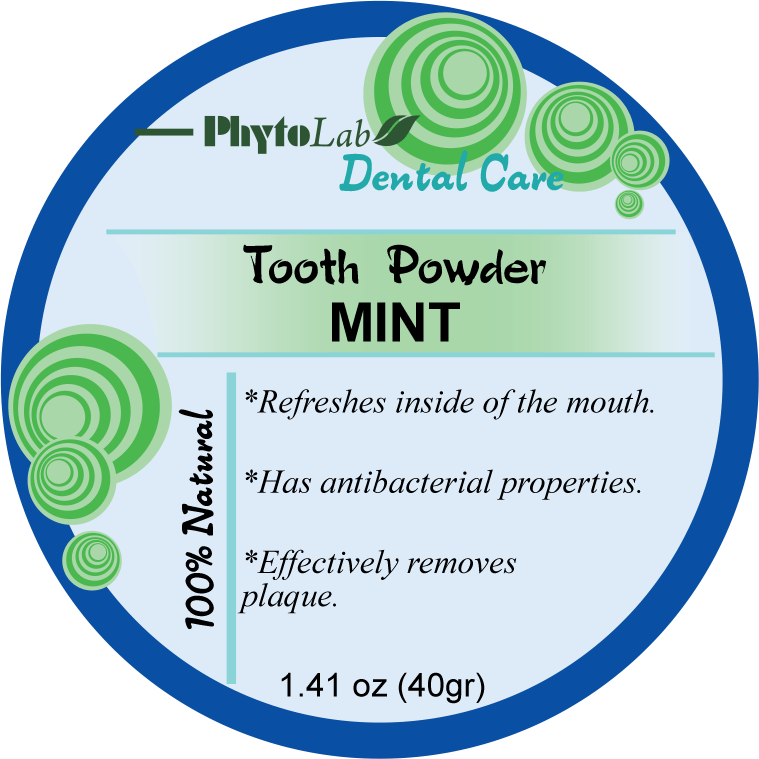
Tooth powders differ mainly in flavor and in what is added to the base: mint for freshness, sea minerals, herbal extracts that are said to suit sensitive gums, a whitening formula or charcoal. A few questions help with the choice:
- does the pack list fluoride, and if not, how will you get fluoride from another product;
- does the pack list the full composition, so that you can check it for anything you react to;
- what does the description promise, and is that a cosmetic effect, such as a fresh taste, or a claim about the gums that only a dentist can check;
- is the box easy to close tightly, so that the powder stays dry in a humid bathroom.
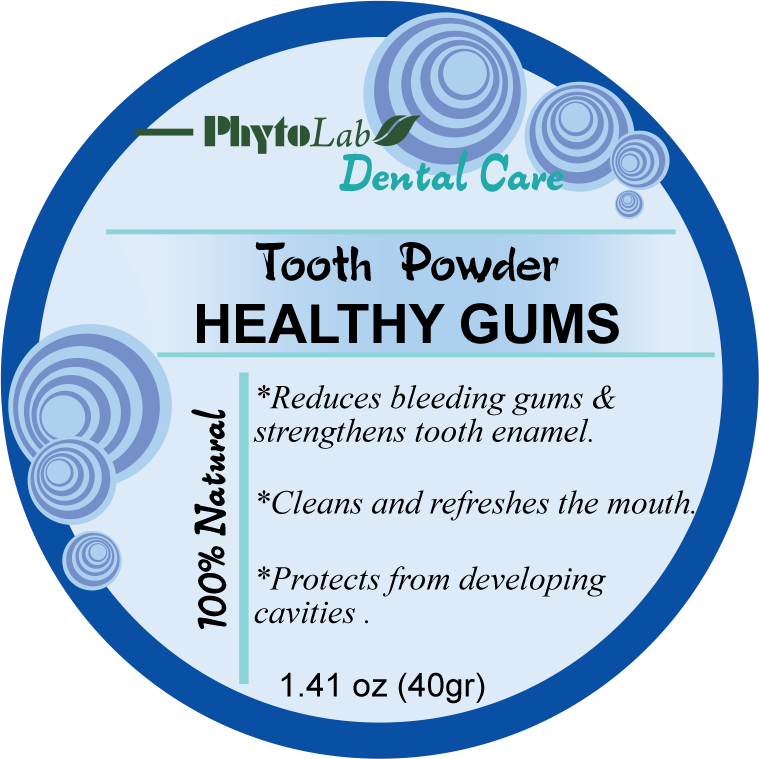
A powder that is marketed for healthy gums does not replace a visit when gums bleed: bleeding is a sign to be checked, not something to cover up with a new product. If you are not sure which powder to choose, show the pack to your dentist at the next visit.
Whitening and charcoal tooth powder: what is known
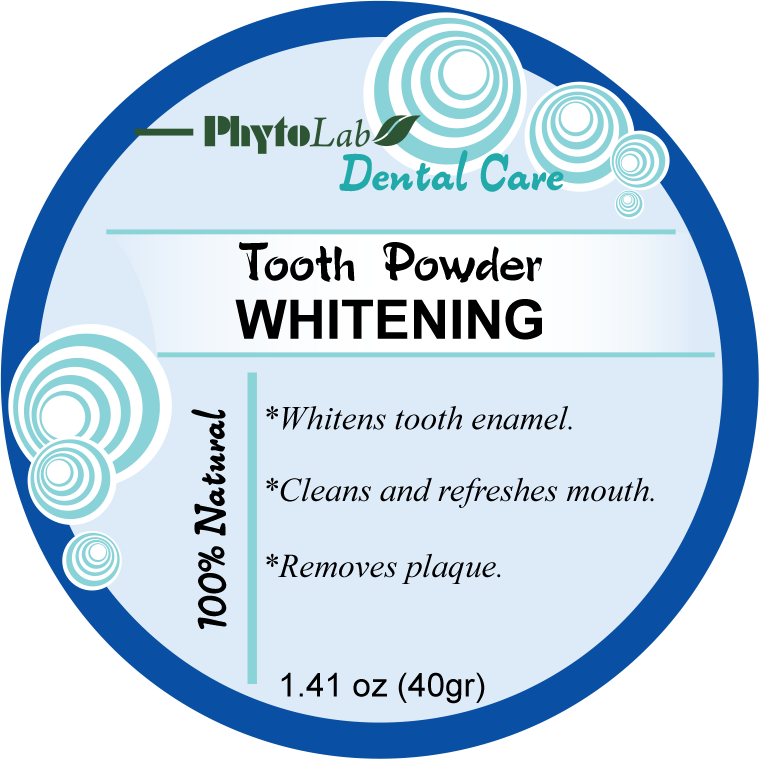
Whitening tooth powder and charcoal powder are among the most popular kinds. Their descriptions promise whiter teeth and a fresher mouth, and it helps to know what research says about such claims.
The ADA, in its review of tooth whitening, notes that activated charcoal is now sold in toothpaste, powder, mouthwash and tablet form, but that so far there is not enough evidence that charcoal-based oral care products whiten teeth with adequate safety and effectiveness. The same review describes a study in which a mix of charcoal and table salt proved abrasive and ineffective for whitening and wore away the enamel, letting the yellowish dentin show through.
In practice, a powder can remove surface stains from coffee or tea, because that is what any abrasive does, but it does not change the natural color of the teeth. Crushed charcoal tablets from the home kit are not a substitute for tooth powder. If you want noticeably whiter teeth, ask a dentist about whitening methods that have been tested for safety.
Not every spot on the teeth is a stain, either. The ADA describes fluorosis, in which white flecks or streaks, and in severe cases brown spots, appear on the teeth when a child swallows too much fluoride while the permanent teeth are forming. A single darkened tooth or white or brown spots are a reason to see a dentist rather than to scrub them with powder.
When to see a dentist
Tooth powder is a product for daily care, and it does not fix problems with the teeth or gums. See a dentist when:
- gums bleed when you brush or floss, look swollen or red, or have pulled back from the teeth;
- a tooth hurts, reacts sharply to cold, heat or sweets, or has a dark spot or a hole;
- bad breath does not go away despite regular brushing;
- teeth have become more sensitive after you switched to a new powder or paste;
- a child has pain, swelling or a dark spot on a tooth.
Regular checkups help catch problems early, and your dentist can also say which product suits your teeth best.
Three more products worth having at home
Tooth powder is used morning and evening, and the same home usually keeps products for other familiar situations too: charcoal for a heavy stomach, valerian for a restless night and Arbidol for cold season.
- Activated charcoal is kept for an upset stomach after questionable food and is taken by mouth as its leaflet describes. It is not meant for brushing teeth: the ADA notes that there is not enough evidence that charcoal products whiten teeth safely, and crushed tablets add abrasion. Charcoal also binds other products taken at the same time, so it is taken separately from them, and a real poisoning calls for Poison Control at 1-800-222-1222, not for charcoal at home.
- Valerian is kept for a restless evening, as tablets, drops or tea. Some people take it as part of their evening routine, after brushing their teeth and before bed. The drops are made with alcohol, so after them a person does not drive, and sleep that does not improve for weeks is a reason to see a doctor.
- Arbidol contains umifenovir and is registered in Russia for seasonal viruses. It is taken by mouth as its leaflet describes. During a cold, regular brushing and rinsing help keep the mouth fresh, while a high temperature that lasts more than three days, or a cold in a child, an older person or a pregnant woman, needs a doctor.
The tooth powder itself is there for everyday brushing, with a soft brush, light pressure and a dry, closed box.
Every household keeps its own set of everyday products, and there is no single right one. None of these products replaces a doctor or a dentist, and a problem that does not go away deserves a visit.
Where to find
Tooth powder of different kinds, for example with mint or with charcoal, can be ordered from USA Apteka, a Russian and Ukrainian store in the US, and the whole selection is on this page. Delivery within the US, including Hawaii and Alaska, is free over $69, while orders to other countries ship at a paid rate regardless of the total. The care team answers questions about the products or delivery in the chat on the website or on WhatsApp, and regular customers have a bonus program and seasonal sales.
Keep tooth powder closed and dry, out of reach of small children, brush gently, and see a dentist if your gums bleed or a tooth hurts.
Please Chat with us or send us a message on WhatsApp