





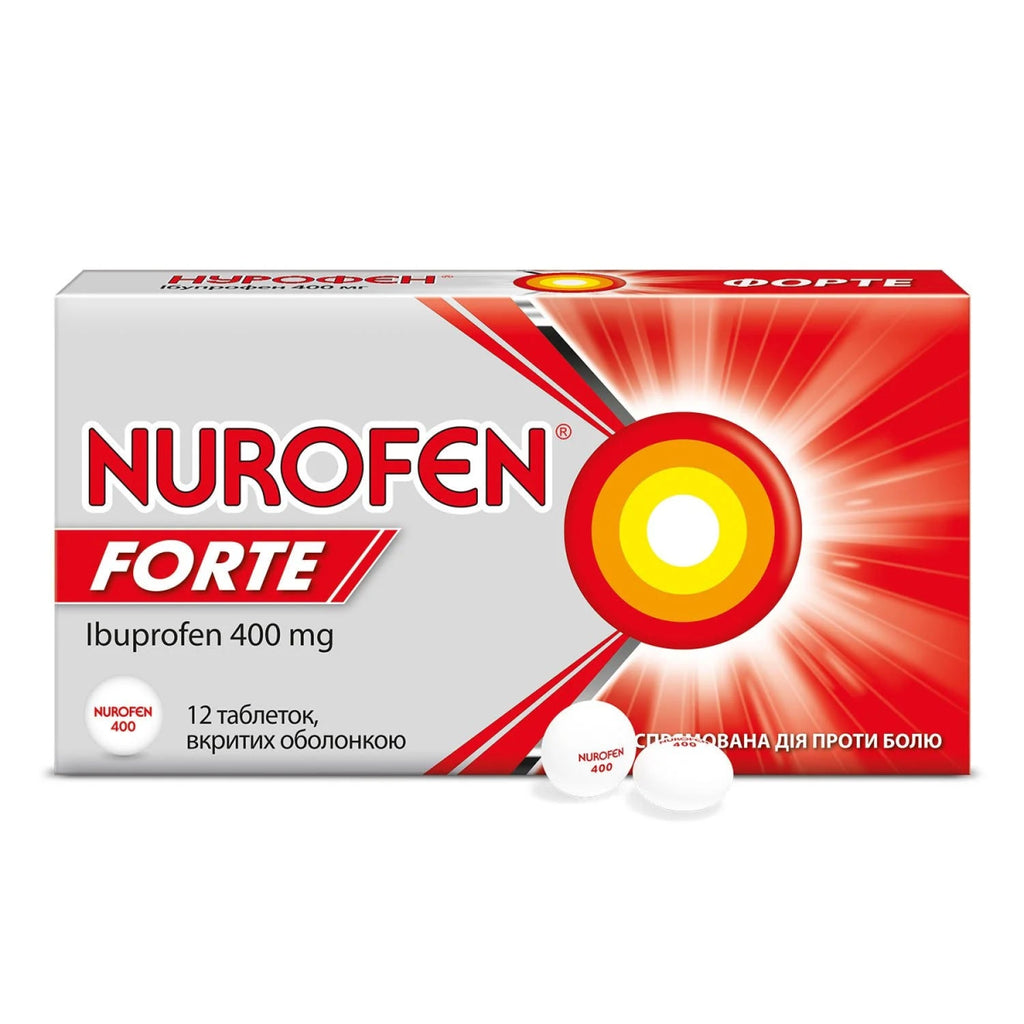

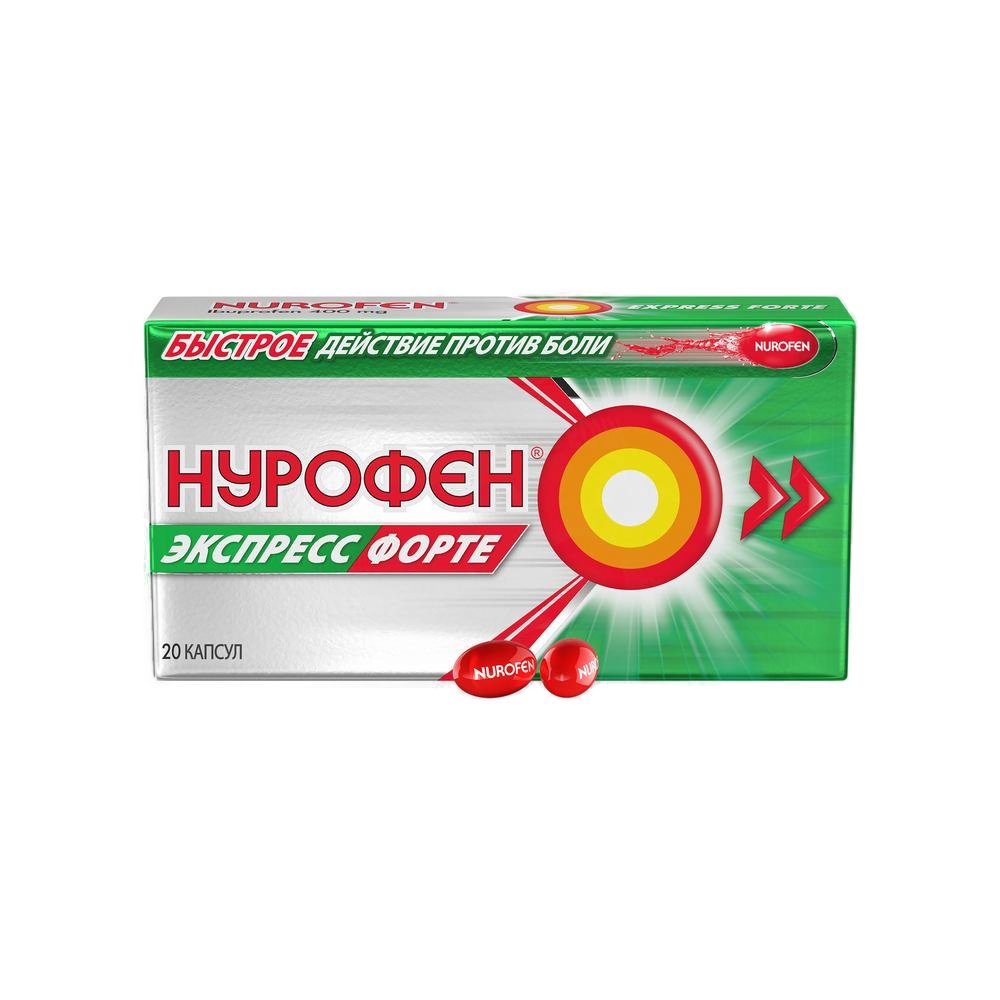



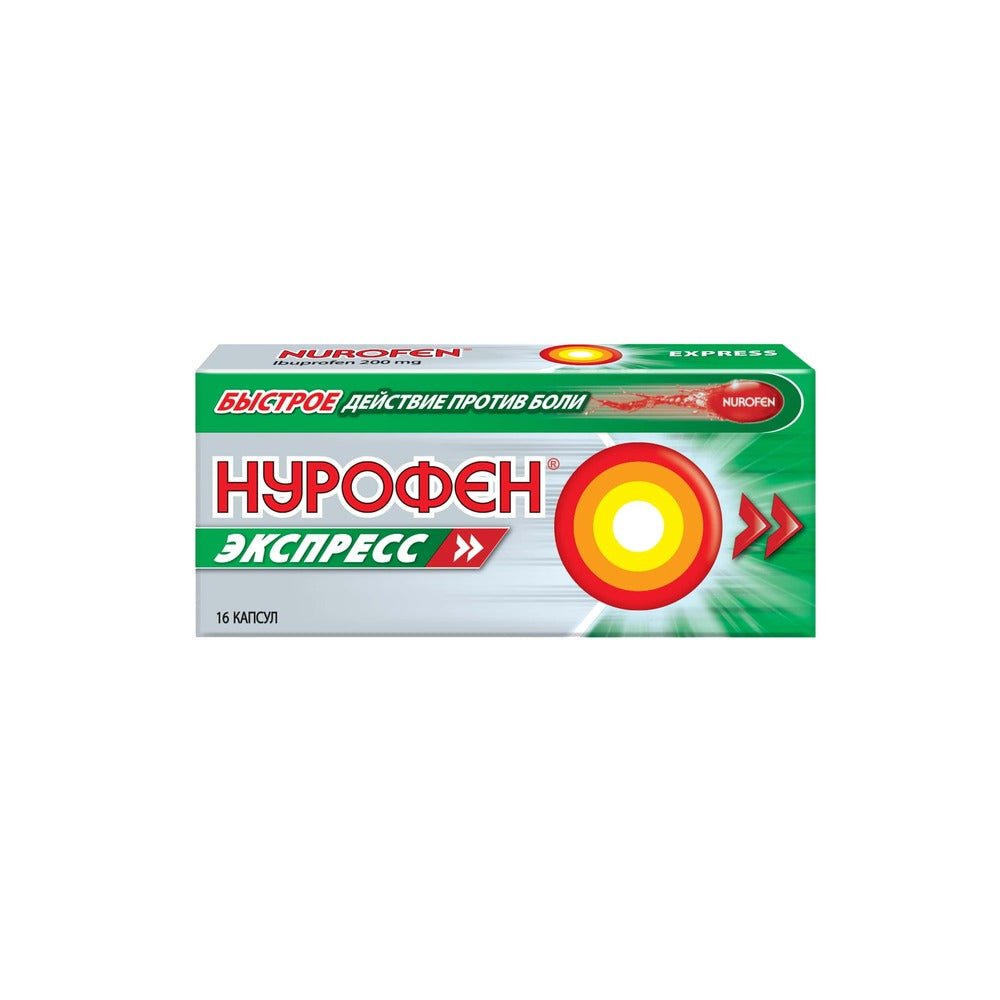

Nurofen is a brand name for ibuprofen, a non-steroidal anti-inflammatory drug. Ibuprofen lowers fever, relieves pain and reduces inflammation, and that combination inside one active substance is why the same name turns up both in a parent’s cupboard and in the bag of an adult with a stiff back. The brand covers several forms: coated tablets, capsules including liquid-filled ones marketed for a faster start, a children’s oral suspension supplied with a measuring syringe, and, in some markets, suppositories for small children and a topical gel.
This page sets out what the product is used for, how the forms differ from one another, what a sensible pattern of use looks like, and where ibuprofen has hard limits that are not a matter of preference. The leaflet inside the pack stays the governing document for amounts and ages, and anything beyond a short course belongs in a conversation with a doctor.
What Nurofen is taken for
Ibuprofen is a general-purpose pain reliever with a genuine anti-inflammatory component, and the list of situations people reach for it in has been stable for a long time.
The familiar reasons:
- headache, including a migraine attack;
- toothache, including after dental work, unless the dentist has advised otherwise;
- back and muscle pain after a load, an awkward position or a long day on the feet;
- joint pain, where the anti-inflammatory side of the action matters as much as the pain relief;
- period pain, which has a section of its own further down;
- fever in adults and in children.
Fever deserves a separate word. Ibuprofen is taken so that a person can drink, sleep and function, not to chase a particular number on the thermometer, and the leaflet frames it as a short course rather than an open-ended habit. A fever that lasts more than three days, pain that lasts more than five, or a fever in a baby younger than the age the leaflet names is a reason to see a doctor. The same applies to pain that changes character, wakes a person at night or arrives with symptoms that were not there before: at that point a diagnosis is more useful than another tablet, and the doctor is the one who makes it.
The forms: tablets, capsules and the children’s suspension
The forms share one active substance and differ in who takes them, how the amount is measured and how quickly the effect is expected to begin.
How they compare in practice:
- coated tablets, the most familiar adult form, swallowed whole with water and, as a rule, with or after food;
- capsules, including liquid-filled versions that the manufacturer positions as starting to work faster, which matters more for a sudden headache than for a long-standing ache;
- the children’s oral suspension, a flavored liquid supplied with a measuring syringe, which is the only form intended for small children;
- suppositories for small children and a topical gel, available in some markets rather than everywhere, each with its own leaflet and its own rules.
The children’s suspension is the form where precision is not optional. The amount is set strictly by the child’s weight and age, measured with the syringe that comes in the pack rather than with a kitchen spoon, and the leaflet gives the figures for each weight band. A parent who is unsure which band a child falls into, or who is dealing with a child at the lower age edge of the pack, can ask a pediatrician before the first dose. For adults, the choice between a tablet and a capsule is largely a matter of convenience, and a pharmacist or a doctor can say which form suits a particular situation and a particular set of other medicines.
How Nurofen is taken
The practical side of ibuprofen comes down to three things: what it is taken with, how long it is continued, and what must never sit next to it.
The standard rules:
- adults take it with or after food, with a full glass of water;
- the working principle is the lowest effective dose for the shortest necessary time, not a fixed daily ritual;
- without a doctor’s advice it is not continued for more than a few days for pain, or more than three days for fever;
- two products containing ibuprofen are never combined, even when the names on the boxes look completely different;
- it is not taken together with another non-steroidal anti-inflammatory drug;
- it is not combined with aspirin unless a doctor has specifically said so.
Doubling up is the most common real-world mistake, and it is easy to make: a combination cold remedy, a headache powder and a plain painkiller can all contain ibuprofen without the word appearing on the front of the pack. Reading the composition line on every box taken in the same day is a small habit that prevents a large problem. If the usual amount stops working, it is worth asking a doctor why before taking more or adding a second product from the same class.
When Nurofen must not be taken
Ibuprofen has a defined set of situations in which it is not used at all, and another set in which it is used only with a doctor’s agreement.
It is not taken with:
- an active peptic ulcer or gastrointestinal bleeding;
- a previous reaction to aspirin or another non-steroidal anti-inflammatory drug, including aspirin-induced asthma, hives or swelling;
- severe heart failure, or severe kidney or liver impairment;
- the third trimester of pregnancy, where ibuprofen is avoided; earlier in pregnancy and while breastfeeding, the decision belongs to a doctor.
It calls for a doctor’s word in advance with:
- high blood pressure and cardiovascular disease, since non-steroidal anti-inflammatory drugs as a class carry a cardiovascular caution and can raise blood pressure;
- anticoagulants, and with regular alcohol, because both raise bleeding risk;
- dehydration, or treatment with diuretics or ACE inhibitors, because of the strain on the kidneys;
- chickenpox in a child, which is a situation where a doctor is asked before anything is given.
Certain signs mean stopping the product and seeking medical attention the same day rather than waiting to see how things go: black stools, vomit that resembles coffee grounds, sudden swelling or difficulty breathing, or a rash. These are not side effects to wait out, and they call for an in-person visit rather than a phone description.
Ibuprofen and period pain
Ibuprofen is a well-established choice for menstrual cramps, and the reason is mechanical rather than a matter of it being simply a strong painkiller. It reduces the production of prostaglandins, the compounds that drive uterine contractions, which is why a non-steroidal anti-inflammatory drug works better than a plain analgesic for many women.
What the leaflet suggests in practice:
- start at the first sign of pain rather than waiting until the cramps are at their peak, since the effect is on a process that is already building;
- take it with or after food, as with any other indication;
- keep to the lowest effective dose and to the same short-course rule that applies elsewhere;
- observe the same contraindications, since period pain does not suspend the stomach, kidney or cardiovascular cautions listed above.
Pain that reliably knocks a person out of their normal life every cycle, or pain that has changed noticeably from what it used to be, is a reason for a gynecological examination. Ibuprofen relieves the symptom well; it does not investigate what is causing it, and that part belongs to a gynecologist.
Common questions about Nurofen
Short answers to the things people ask most often, with the same caveat each time: the figures live in the leaflet.
- how quickly it works, usually within an hour for most forms, with the liquid-filled capsules positioned by the manufacturer as starting sooner;
- whether it can be alternated with paracetamol, since these are different substances, but any alternating schedule for a child is best set with a doctor;
- what to do if a child vomits the suspension back up, best not to repeat the dose right away, and a quick call to a pediatrician settles it;
- whether it can be taken on an empty stomach, which is best avoided, since with or after food is the standard instruction;
- how many days in a row it can be taken, a few for pain and up to three for fever without a doctor’s involvement;
- whether it is safe during pregnancy, where the third trimester is a clear no and the earlier months are a decision for a doctor.
A child who is drowsy, refusing fluids or unable to keep the suspension down needs to be seen by a doctor, and no dosing question is more important than that.
Neighboring themes
Each of these ends up in a home kit for its own reason, and it helps to know what each one is there for, because they pair with Nurofen in very different ways.
- Citramon is kept for a headache, and this is where the riskiest overlap with Nurofen sits: it gets reached for when the first tablet has not helped. Two painkillers back to back are best avoided, since the relief does not double while the load on the stomach and kidneys adds up. If the pain is still there after the first tablet, asking a doctor is a better next step than adding a second one.
- Validol goes into the kit for a heavy or anxious feeling in the chest, a sensation no painkiller touches. Nurofen and Validol do entirely different jobs, and someone with cardiovascular disease should take ibuprofen itself only with a doctor’s approval, because of its effect on blood pressure.
- Viferon turns up in the kit for the cold season as an antiviral. It does not overlap with Nurofen: one works on the virus, the other brings down the fever and the aching, and the two are often taken through the same cold, though for a child that combination is worth checking with a pediatrician.
Nurofen itself is kept for pain and fever in adults and children, usually in two forms: tablets for the adults and the suspension for the child.
A home kit is put together for the household that uses it, and there is no correct set. The one shared rule: anything taken in the same days as ibuprofen is worth mentioning to a doctor or a pharmacist, which takes a minute and settles the question.
Where to find
Nurofen can be ordered from USA Apteka with delivery across the United States and abroad, in tablets, capsules and as the children’s suspension, in the original packaging customers recognize. Delivery within the US, including Hawaii and Alaska, is free over $69, while orders to other countries ship at a paid rate regardless of the total. The support team is glad to help by chat or WhatsApp with choosing a form or checking stock, and regular customers have a bonus program and seasonal offers.
The dose, the form and the length of the course are decided by a doctor, and the manufacturer’s leaflet inside the pack remains the governing document. Store it in a dry place out of the reach of children, with the date on the box.
Please Chat with us or send us a message on WhatsApp