





- 1
- 2
A blocked nose and a running nose are situations almost everyone faces, and almost always without warning. A seasonal cold, contact with pollen, dry office air through the heating season, a long flight with a big altitude change, and the usual quiet breathing breaks. The «nose-comfort» corner of any home cabinet is large and mixed: vessel-narrowing drops and sprays, isotonic and hypertonic salt-water rinses, allergy-side sprays, local immune-support items, hormonal sprays by doctor’s plan, antibacterial drops by indication, plant-based formats such as Pinosol. On USA Apteka this collection brings together familiar CIS-region names: Naphthyzin, Sanorin, Xylen, Ximelin, Nazol, Nasonex by doctor’s plan, Aquamaris, Aqualor, Dolphin, Pinosol, Vibrocil, Isofra, Polydexa, IRS-19. This article walks through that big range so that the choice belongs to the actual situation rather than to the loudest brand of the moment.
What helps with a blocked nose and a running nose
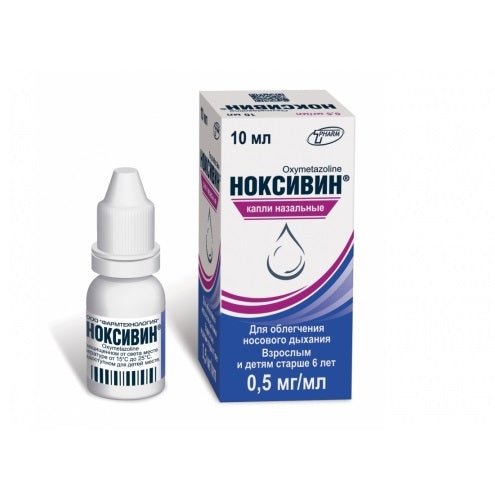
To read the range clearly, it helps to split the items into groups. The first group is the vessel-narrowing drops and sprays. This is the loudest group, and the one most readers mean when they say «something for a blocked nose». The active components are xylometazoline, oxymetazoline, naphazoline (Naphthyzin, Sanorin), phenylephrine. They narrow the vessels of the nose lining; the swelling shrinks, and breathing returns within five to ten minutes after use. The effect lasts from four to six hours (short-acting) up to ten or twelve hours (long-acting, oxymetazoline). A comfort-and-feeling-easing group: these items do not «handle the cold», but they give back the ability to breathe through the worst part of it.
The second group is the isotonic and hypertonic salt-water rinses. Isotonic formats (Aquamaris, Aqualor, plain saline) keep the lining moist, gently wash slime and allergens away, and support the natural salt balance of the lining. They suit everyone: children, pregnant readers, older adults, people with any background conditions. Hypertonic formats (with a higher salt level) draw extra fluid out of the swollen lining and reduce swelling without any vessel-narrowing effect. A softer choice than vessel-narrowing items, and slower-acting, often used alongside them: a salt-water rinse first, then the vessel-narrowing item only if still needed.
The third group is the allergy-side and combination sprays. Vibrocil, for example, carries phenylephrine (vessel-narrowing) and dimethindene (allergy-side-style), and fits well when the blocked-nose feeling pairs with an allergic angle. Local allergy-side items on their own (Allergodyl, Tizine Allergy) work for seasonal allergic nose reactions. They begin to act after fifteen to thirty minutes, last up to twelve hours, and do not dry out the lining the way some vessel-narrowing items can. This group has its own range, and for a regular viral cold it is less suited than the first group.
The fourth group is the local immune-support and antiviral-style formats. Derinat, IRS-19, Grippferon are local items acting through the lining’s own response. They are used both as seasonal preparation and as part of supporting an active illness. The «here and now» feel is less obvious than with a vessel-narrowing drop, but the deeper effect on the body’s response to the virus is more useful. These are often added in the first hours of an illness, before the blocked-nose feeling becomes heavy. The fifth, narrower group includes the hormonal sprays (Nasonex, Avamys, Flixonase) - by doctor’s plan, mainly for allergic and vasomotor nose conditions. The sixth group is the antibacterial drops (Isofra, Polydexa) - again by doctor’s plan, when a bacterial complication is confirmed.
The seventh group includes the plant-based and oil-based formats. Pinosol is the best-known example: it carries pine, eucalyptus, and peppermint oils, plus thymol and vitamin E. It is used in the last stage of a cold, when the swelling is already gone but the lining is still dry and irritated. Pinosol does not narrow the vessels, and it is not the right pick at the height of a blocked-nose period; what it does is gently moisten, soften crusts, and support the recovery of the lining. The «late-stage drops», and they slot well after five to seven days of vessel-narrowing use or alongside salt-water rinses at any phase. The eighth group is the silver-based items (Protargol, Sialor) - used for stretched-out running-nose situations, especially in children; they offer a soft antimicrobial and tightening effect, and an ENT specialist usually picks them after a real look at the picture.
The single most useful point: there is no universal «best drop», and each group solves its own task. When readers search for «items for a blocked nose» or for a working item for a running nose, the real answer is this same one: the right group for the situation, not a single «correct» bottle. To bring the groups’ tasks together, the logic is simple:
- vessel-narrowing items are for the moment when breathing is impossible;
- salt-water items are the daily base;
- allergy-side items fit an allergic picture;
- local immune-support items work at the very start of an illness;
- hormonal and antibacterial items sit in doctor-led plans.
A balanced cabinet often holds two or three of these groups at once: an isotonic salt-water rinse for daily use, a vessel-narrowing spray for emergencies, and a local immune-support item for the first hours of any seasonal virus. When throat discomfort comes along with the blocked nose, a local antiseptic option (a familiar mouthwash format and similar items) often joins the picture; it is part of the broader ENT-season set, not a stand-alone nose-comfort tool, and it works in coordination with the doctor’s plan when one is in place.
Types of nose drops and how they are used
Nose drops for a running nose are one of the oldest formats in home care, and still popular even with the rise of sprays. A glass or plastic dropper, a clear or slightly tinted liquid, a measured number of drops - all of it familiar from childhood. The main strength of drops is dosing precision and a more even spread over the lining in the right head position (head tilted back and gently to the side). The main weakness is awkwardness on the go, and the share of liquid that simply runs back into the throat without working locally.
Vessel-narrowing drops are the largest sub-category. Naphthyzin, with naphazoline inside, is one of the oldest items in post-Soviet home cabinets: it works fast, lasts short (around four hours), and tends to build dependence on a course longer than a few days. Modern drops with xylometazoline (Xylen, Ximelin, Tizine-xylo) last longer (eight to ten hours), feel gentler, and dry the lining less often. Oxymetazoline drops (Nazol, Afrin) hold the longest (up to twelve hours), suit night-time use well, and are also not meant for a long course. Every vessel-narrowing drop is used on a course no longer than five to seven days; going past that opens the door to a rebound state with the opposite reaction of the lining. This limit does not depend on how bad the blocking feels - even in a heavy cold, after seven days of continuous vessel-narrowing use the course is paused, and other groups (salt-water rinses, allergy-side items, hormonal sprays by doctor’s plan) step in if the blocking is still there.
A separate note on dependence. Every vessel-narrowing drop used longer than five to seven days can lead to the so-called rebound state: the lining «forgets» how to work without the drops, and the blocking returns two or three hours after each use. Every next dose has a smaller effect, and the user gets stuck in a loop. Stepping out of this state is possible but takes two to four weeks: lowering the frequency gradually, switching to salt-water rinses, and in heavier cases a short course of a hormonal spray under the watchful eye of an ENT. That is why the «no longer than five to seven days» rule is not red tape; it is a real way of protecting the lining from a much longer problem down the road.
How to place a vessel-narrowing drop correctly
The order is simple:
- Clear the nose first - blow it gently or use a salt-water rinse; drops on a dry, blocked lining work less well.
- Tilt the head back and slightly to the side of the nostril being treated.
- Place one or two drops in each nostril (two or three times a day for an adult), then repeat for the other side after a short pause.
- Hold the head in the tilted position for a minute so the liquid spreads evenly over the lining. For children, dedicated children’s formats with a lower concentration exist; adult drops cannot be divided by eye for a child. In infants and very young children, an overdose of a vessel-narrowing item that gets absorbed into the body can produce serious general reactions, even to the point of sudden quietness and sleepiness - not a «small side issue» but a real reason to call emergency help if a child looks off after a dose by mistake.
Beyond the vessel-narrowing group, several other types of drops are used:
- drops with eucalyptus, pine, peppermint oils and thymol (Pinosol) - a gentle comfort item for a dry, irritated nose at the end of a cold; they do not narrow vessels, they moisten and soothe;
- drops with interferon alfa (Grippferon) - the local antiviral-style format for the very first hours of an illness and for preparation after contact;
- silver drops (Protargol) - a gentle antimicrobial item, used historically for stretched-out running-nose situations with thick discharge;
- drops with an antibacterial component (Isofra) - used by doctor’s plan when a bacterial cause is confirmed;
- drops with an allergy-side component - used for allergic or mixed nose reactions.
A separate point on storage and how long drops keep after opening. Most nose drops, once the bottle is opened, keep for four to six weeks; the exact time is written in the producer’s leaflet. A bottle that has been sitting in the cabinet half a year after opening is worth replacing, even if the liquid looks fine. Storage is in a tightly closed bottle, dry, away from direct sunlight and heat; some items require a fridge, and that is noted on the box. Bottles of nose drops should not sit next to toothpaste and creams on a humid bathroom surface: temperature swings and steam can shorten how long it keeps and shift the properties of the liquid.
Best sprays and drops for adult nose comfort
In search it shows up as «best sprays for a running nose» or «best drops for a blocked nose», but the honest answer is one: «The best spray or drops for a blocked nose» is always «the best for a specific situation». For a one-off evening, when breathing needs to come back by bedtime, a long-acting vessel-narrowing item is the usual pick: oxymetazoline (Nazol, Afrin) covers ten to twelve hours and runs through the night. For day-time blocking during a cold, xylometazoline (Xylen, Ximelin, Tizine-xylo) fits well: eight to ten hours, which lines up with a working day across two doses. Naphazoline (Naphthyzin) is the oldest and «sharpest» in the row; fine for a one-off, but it tends to build dependence faster than newer options, and modern doctors recommend it less often for a long course.
For seasonal allergy in adults, combination sprays (Vibrocil) or local allergy-side items (Allergodyl, Tizine Allergy) work better. They do not build dependence on the level of vessel-narrowing items, and they suit longer courses through the season. For vasomotor and allergic nose conditions of moderate and heavier degree, a doctor may set up a hormonal spray (Nasonex, Avamys, Flixonase). These are doctor-led items in the United States, not bought on advice from a forum, and the doctor sets the plan after a real look. The effect of a hormonal spray builds across a few days; instant relief from the first use is not what they are about.
Budget picks: where saving makes sense
«Budget drops for a blocked nose», or in plainer words «drops for a runny nose», is a common search. The most affordable items here are usually Naphthyzin, Sanorin, and other naphazoline-based items in small bottles. They really do work and solve the «urgent» task of returning breathing. The naphazoline group, however, is the one where lining irritation and dependence on a long course show up most often, and modern drops with xylometazoline or oxymetazoline, at a comparable price for the standard volume, end up being a smarter trade between effect and tolerance. A simple guide: for a one-off, saving makes sense; for a course, the more modern item with a predictable profile is the wiser choice.
Sprays and drops with sea water and salt-water solutions are the universal «base» that suits almost everyone; this is often what people mean when they look for «a spray for a blocked nose» or «drops for a blocked nose for adults» for everyday use. Their strength is that they work on the physiology of the lining rather than through any pharmacological pull, and they have no real limits for most adults. Isotonic formats (Aquamaris, Aqualor Neutral, Marimer) keep the lining moist on a daily basis. Hypertonic formats (Aquamaris Strong, Aqualor Forte) reduce swelling without a vessel-narrowing pull. They are often used as a first line: rinse first, then add something more if needed. A good rule for the heating season: a regular salt-water rinse keeps the lining in better shape than letting dry indoor air dry it out night after night.
There is a separate small set of antiseptic-style options that join the picture inside a broader ENT-season plan: standard antiseptic mouth rinses and similar items the customer will know from home. A liquid antiseptic such as a furacilin-based rinse in diluted form sometimes joins a doctor-led plan for combined throat and nose discomfort, especially in children, with strict attention to the dilution. Iodine-based antiseptic rinses, on a povidone-iodine base, are used for throat-side care and, in specific situations under an ENT’s direction, for the nose lining during heavier inflammatory pictures. These are supporting items, not the core of any plan, and they do not replace either vessel-narrowing drops or salt-water rinses; they live in the broader plan when an ENT condition is confirmed.
What does not belong to «best moves»:
- pouring «home alcohol-based plant tinctures» into the nose - alcohol dries the lining and can worsen the irritation;
- the grandmother’s recipes with garlic, onion, or beet juice - concentrated plant juices can cause a chemical burn on the delicate lining, especially for children;
- using adult drops on a child in «smaller drops» - there are dedicated children’s doses and concentrations, and an adult drop on an infant can produce noticeable body-wide effects.
The modern range carries proper children’s formats, and using them is the safer choice.
How to pick the right nose-comfort item
A good item for a running nose and an effective item for a running nose come down to the same thing: something that helps in your specific case. The first step is to understand which kind of running nose it is. An acute viral nose picture on top of a regular cold looks like a mix of blocking, clear thin discharge, sneezing, sometimes a light shiver. It usually runs five to seven days and resolves on its own with sensible support: salt-water rinses, indoor humidity, and, when needed, a short course of vessel-narrowing drops. Allergic nose reactions look different: watery clear discharge, strong sneezing, itching inside the nose, often watery and itchy eyes, and a clear link to a specific season or environment (dust, pet dander, pollen). Allergy-side and hormonal sprays are the working tools here; vessel-narrowing items only join episodically.
A bacterial running nose is the third profile, and it is important not to miss it. Signs that point to it: a running nose lasting longer than ten days without improvement, thick yellow or green discharge, pain and heaviness around the sinuses, and rising temperature alongside the running nose. In this situation, vessel-narrowing drops will not finish the job, and the next step is an ENT specialist, who will look and decide whether antibacterial drops (Isofra, Polydexa) or a whole-body antibacterial plan is needed. Trying to keep going with «cold drops» here drags the situation out and raises the risk of complications such as sinusitis or middle-ear involvement.
A vasomotor nose state is the fourth profile, and it is typical for adults: long-running blocking with no clear link to an infection or to an allergy, worsening in cold or dry air, dependence on vessel-narrowing drops, and a rebound state on top. This is not a situation for «the next bottle of Naphthyzin»; it is a state that calls for a different approach: hormonal-spray courses by an ENT’s plan, changes to indoor air, sometimes surgical help. Trying to fix vasomotor blocking with another vessel-narrowing course is the worst option, because the regular use of the drop is what supports the rebound state in the first place.
A few words on the rinsing technique, because the result really depends on it. The easiest and gentlest way is a ready salt-water spray or dropper format by the schedule on the box. The alternative is a dedicated rinser (Dolphin, neti pot, bulb syringe) with a fresh or ready solution, used over the sink, head tilted to the side, the liquid going gently into the upper nostril and coming out of the lower one. After rinsing, the nose is blown gently, without pressure. Hard, pressured blowing is a common mistake, especially with children: it pushes content into the Eustachian tube and raises the risk of middle-ear involvement. Blowing one nostril at a time, softly, without pinching the other side hard, is the cleaner pattern. These small habits save more days of illness than they seem to, and they are worth practicing before the cold season starts.
Age and background conditions are another big factor. For children under six months, vessel-narrowing drops with body-wide absorption are used very cautiously and only on a pediatrician’s plan; at that age, salt-water rinses and a soft aspirator usually handle the work. For older children, dedicated children’s concentrations exist, and adult forms are off the table. For pregnant readers, most vessel-narrowing items are restricted or used only after a real risk-benefit talk; salt-water rinses and Pinosol are usually fine. For older readers with long-running blood-pressure and heart-vessel care, vessel-narrowing items with body-wide absorption need attention: they can lift the overall pressure and speed the pulse on top of the existing background.
A short practical FAQ:
- Can nose items be used during pregnancy? Basic salt-water rinses and Pinosol are usually fine; vessel-narrowing items only with the doctor’s agreement and as short episodes.
- Can a nose item be given to an infant? Only dedicated children’s formats at the lower concentration, under a pediatrician’s watch; for infants the usual moves are an aspirator and salt-water drops.
- What if the drops stop helping? That is a signal for a conversation with a doctor, not for doubling the dose or for switching to a «stronger» vessel-narrowing item; a rebound state may be in play, or the situation is no longer viral.
- Can drops be added to a nebulizer? Only items specifically meant for inhalation; regular nose drops are not.
- How many times a day can a salt-water rinse be used? Within reason without strict limits: three to six times a day, more if needed.
One more big point - the course rule for vessel-narrowing items. No longer than five to seven days in a row, no more often than the leaflet allows. If a week of use has not cleared the blocking, that is not a reason to increase the frequency; it is a reason to call a doctor and review the plan. Long courses of vessel-narrowing items are the most common cause of a rebound state and of many long-running nose problems in adults. Respect for this simple rule saves a lot of grief down the line.
A short paragraph on what to avoid. Long, hard, repeated blowing is not helpful: it pushes air into the Eustachian tube and raises the chance of middle-ear involvement. «Warming the nose» with hot items without a doctor’s plan is not a safe move: in a bacterial-loaded picture, heat can make the situation worse. Mixing nose drops at home based on internet recipes, especially those that combine antibacterial and hormonal components, is not safe; such formulas are prepared in dedicated retail points by a clear ENT’s plan. Chasing vessel-narrowing drops with another item «to boost the effect» is a pattern that is either useless or harmful. And a running nose lasting longer than two weeks should not be ignored: a sinus-side condition, a long-running nose state, or another picture often sits behind it, and an ENT can read it.
Where to find nose-comfort items
The nose-comfort collection on USA Apteka brings a wide range together:
- vessel-narrowing drops and sprays (Naphthyzin, Sanorin, Xylen, Ximelin, Nazol, Tizine);
- isotonic and hypertonic salt-water solutions (Aquamaris, Aqualor, Dolphin, Marimer);
- combination and allergy-side sprays (Vibrocil, Allergodyl);
- local immune-support items (Derinat, IRS-19);
- local antiviral-style drops (Grippferon);
- oil-based drops (Pinosol) and silver-based solutions (Protargol);
- children’s formats across all the main groups.
Most positions come in several pack sizes and concentrations. Every item ships in the original factory pack from European and CIS-region producers.
Orders are placed online through the site, with shipping inside the United States and to international destinations. Free shipping inside the United States applies above the threshold shown on the cart page. The support team replies through chat and on WhatsApp during US East Coast working hours: confirms a specific position is in stock in the desired pack size, helps with a close alternative when a position is briefly out, and double-checks the expiration date of the particular batch before shipping. Customers benefit from a loyalty program with points on repeat orders and seasonal sales during the high cold-season.
What arrives in the box. Every item comes in the original factory pack with the producer’s leaflet in Russian and, for many positions, in several languages, the dropper bottle or the bottle with a pump, and the cardboard outer with the batch and expiration date. Storage follows the leaflet, in a dry, cool place, out of direct sunlight. Most nose drops and sprays sit fine in a regular home cabinet; some formats, especially interferon-based drops, are kept in the fridge, and the team accounts for that in shipping. Once a bottle is opened, the use window for an individual bottle is limited (usually four to six weeks); writing the opening date on the box with a marker is an easy habit that prevents using an over-aged bottle by accident.
A family’s seasonal pattern with nose-comfort items differs from household to household, and there is no universal recipe. For some, it is a daily salt-water rinse to keep the lining moist through the heating season. For others, it is a combination spray ready for the spring allergy season. For others still, it is a children’s Grippferon kept on hand for a frequently-ill child. Many families build their own steady pattern over years, fine-tuned to a specific climate, lifestyle, and household. USA Apteka’s role inside that pattern is to keep the familiar items available with shipping, not to push the loudest new bottle. When a steady pattern is not yet in place, a real conversation with a doctor is the right first step before building a permanent «nose set» for the cabinet.
A specific note on family bundles. Many long-time customers order a small ready-to-go set ahead of the season: a salt-water rinse, a vessel-narrowing spray for the rare emergency, and a local immune-support item for the first hours of any seasonal virus. A small bundle of three or four items covers most of the autumn and winter scenarios for a typical household: the first hours of an illness, the height of a cold, the recovery of the lining after a vessel-narrowing course. The names and formats differ from what people grew up with, and the comfort of buying something familiar is one of the reasons customers come back to USA Apteka season after season.
A blocked nose is a sign with dozens of possible reasons and dozens of possible answers in the range, and the right answer comes not from the phrase «the best drops» but from a clear read of the actual situation. For a light cold, a salt-water rinse and Pinosol are enough; for a heavier acute nose picture with strong blocking, a short course of vessel-narrowing drops; for an allergic picture, an allergy-side spray; for stretched-out blocking longer than ten days, an ENT visit. USA Apteka brings together a wide, familiar range with items across every group, so any of those scenarios can be covered with familiar names by shipping inside the United States. With any doubt about the choice, a short conversation with a doctor or a knowledgeable team member is always wiser than a long self-led course of vessel-narrowing drops, which so often ends in a rebound state and a slow return to ordinary breathing. A calm, predictable set of familiar items plus respect for the simple rules of use usually beats chasing the loudest new bottle or trying to piece together a plan from forum advice. A pattern that has worked for households for decades, and one that holds up season after season.
Please Chat with us or send us a message on WhatsApp