

































- 1
- 2
A dry cough, also called an unproductive cough, is the kind that brings up nothing. There is no mucus to clear, just a tickle, a scratch, or a raw feeling that sets off the cough again and again. It often shows up at the very start of a cold, after a viral bug, in dry indoor air, or as the trailing end of an illness once the mucus is already gone. The job of a dry-cough item is the opposite of a wet-cough one: instead of helping the chest bring something up, it works to calm the urge to cough and to soothe the irritated lining behind it. On USA Apteka the dry-cough section gathers syrups, throat sprays, lozenges, and pieces built around familiar plant and laboratory ingredients, in the original packaging of European and CIS-region producers, so a returning buyer finds a name they recognize.
This page is a plain-language guide to the section, not a personal recommendation. It explains how a dry cough differs from a wet one, how the formats work, what people usually weigh when choosing, how to use the items sensibly, and where the line is that calls for a doctor. The aim is to help you read the range with confidence and ask the right questions, while the real decision for any ongoing or heavy situation stays with a professional. A dry cough is almost always a symptom rather than a stand-alone problem, so the smart move is to soothe it gently and to keep watching how it changes.
Dry cough versus wet cough
The single most useful distinction in this whole topic is the one between a dry, unproductive cough and a wet, productive one, because the two call for opposite kinds of help. A dry cough produces nothing and is about irritation, so it is calmed and soothed; a wet cough produces mucus, so it is supported to clear that mucus out.
That difference matters for a practical reason:
- a dry cough is eased by items that quiet the cough urge and soothe the throat;
- a wet cough is eased by items that loosen and move mucus;
- the two ideas pull in opposite directions, which is why they are not combined at the same time.
This is where many people go wrong. Reaching for a mucus-clearing item when there is no mucus does little except stir up an already raw throat, while quieting a productive cough traps the fluid the body is trying to move. So the first question is never which item is strongest, but which kind of cough you actually have, and a cough that is dry and tickly is handled by calming and soothing, not by clearing.
It is also normal for one cough to change into the other. Many colds open with a dry, scratchy phase for a day or two and then turn wet as the body starts making mucus, and the choice of item is expected to follow that shift rather than stay fixed on the first night.
What sets off a dry cough
A dry cough has more triggers than people expect, and knowing the likely one helps explain why a soothing approach sometimes needs backup from a change in the surroundings.
Common triggers behind a dry cough:
- the tail of a viral cold, when the airways stay touchy for a week or two after the mucus is gone;
- dry, heated indoor air, which is one of the most frequent and most fixable causes;
- smoke, strong smells, dust, or cold air that irritate a sensitive throat;
- post-nasal drip, where a runny nose at the back of the throat keeps tickling the cough reflex;
- acid reflux, which can leave a nagging dry cough that has nothing to do with a cold;
- a known side effect of a few blood-pressure options, worth raising with the prescribing doctor rather than covering with a cough item.
Most of these are mild and pass, and a soothing item plus humid air handles the everyday version. But the variety is exactly why a dry cough that will not settle, or that has no obvious cold behind it, is worth a doctor’s look rather than an endless run of bottles.
Choosing an item for a dry cough in adults
Choosing well starts with a simple read of what the cough is doing. A dry cough that comes from a tickly, irritated throat is handled a little differently from one that fires in dry air or one that lingers at the tail of a cold. When people look for lekarstva ot sukhogo kashlya vzroslym, that is, лекарства от сухого кашля взрослым, most of them want one of two things, either to calm a cough that will not stop, or to soothe the raw throat that keeps setting it off.
A few practical points people usually weigh:
- when the cough is worst, since a dry cough that ruins sleep at night is a common reason to reach for a calming option;
- whether the throat feels raw and tickly, which points toward soothing lozenges and coating syrups;
- personal factors, such as other ongoing care, pregnancy, a job that needs full attention, or a preference for plant-based over laboratory ingredients;
- the format that fits the day, a syrup at home, a spray or lozenges to carry, or pieces for a measured dose.
There are, broadly, two working ideas behind the items in this range. The first is cough-calming, which turns down the cough urge itself, useful for a relentless, exhausting dry cough. The second is soothing and coating, where lozenges, sprays, and syrups lay a gentle, moist layer over the irritated lining so it stops triggering the reflex. Many products lean on one of these ideas, and a few combine both. A search like prepart ot kashlya sukhogo, препарат от кашля сухого, usually lands on exactly this group.
It is worth saying plainly that a dry cough can follow an ordinary cold or point to something that needs proper attention, so a home item makes sense only while the picture stays mild and familiar. When in doubt, the calmer move is to soothe gently, keep the air humid, give it a few days, and keep a doctor in the loop if anything feels off.
Syrups, sprays, and lozenges for a dry cough
Most of this section comes in three friendly formats, and each suits a slightly different moment. The choice among them is mostly about where and when the cough bothers you, not about which is strongest.
Syrups for a dry cough
A syrup for a dry cough usually coats the throat and either calms the cough urge or soothes the lining, or both. Plant-based syrups lean on familiar soothing herbs and a thick, coating texture; laboratory-based syrups add a cough-calming ingredient for a relentless cough. A search for ot sukhogo kashlya sirop, от сухого кашля сироп, lands here, and so does the very common ask for a sirop ot sukhogo kashlya nedorogoy, сироп от сухого кашля недорогой, since syrups span a wide range of prices.
Sprays for a dry cough
A throat spray puts a soothing layer right where the tickle starts, which makes it a quick, pocket-friendly option for a dry, scratchy throat during the day. People often search specifically for a sprey ot sukhogo kashlya, спрей от сухого кашля, for exactly that reason, since it works at the office, on the road, or whenever a coughing fit threatens in public.
Lozenges and pastilles
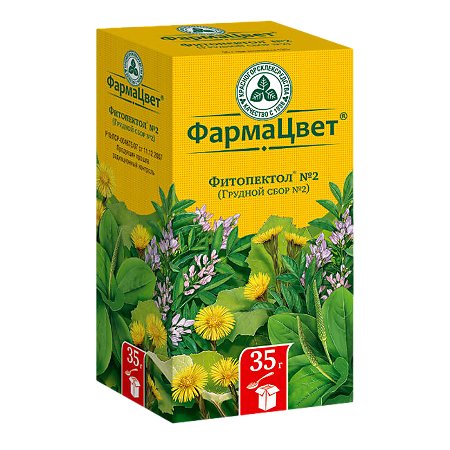
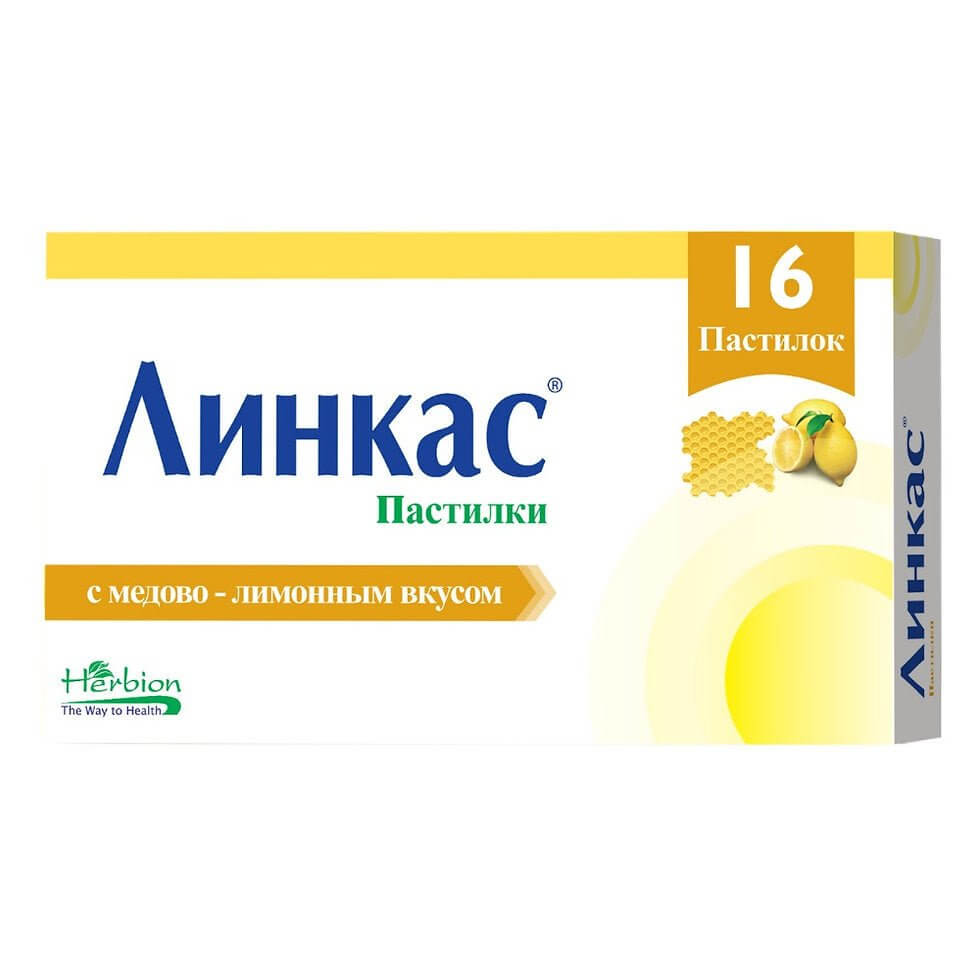
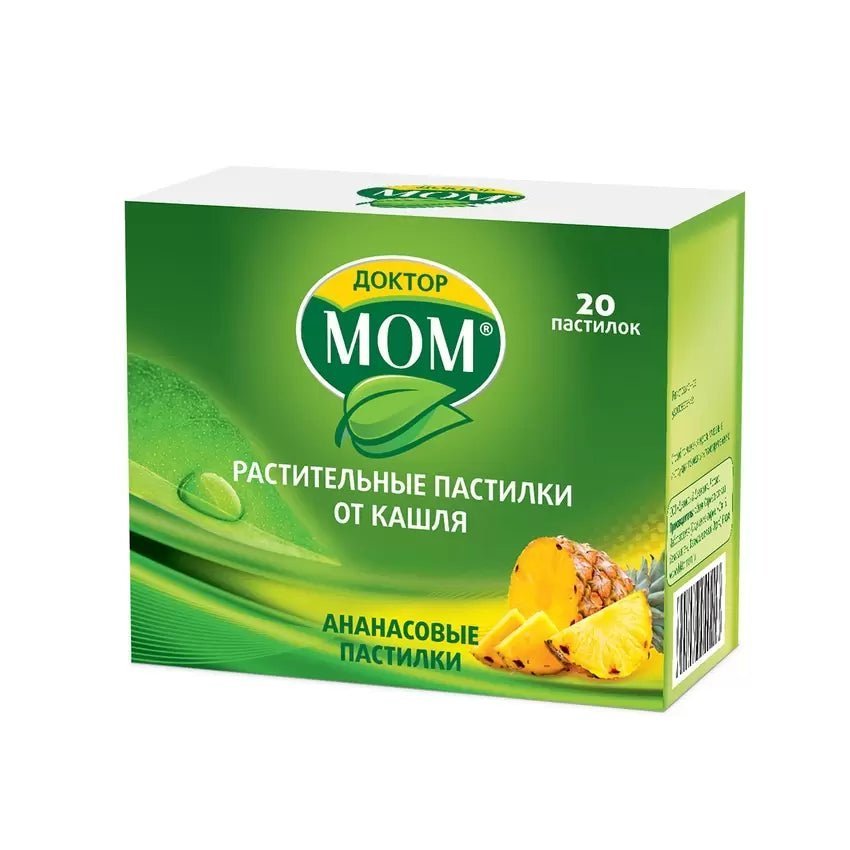
Lozenges and pastilles dissolve slowly and keep the throat moist and coated for a while, which is why a ledentsy ot sukhogo kashlya dlya vzroslykh, леденцы от сухого кашля для взрослых, are such a popular, low-key choice. They are easy to carry, need no water, and suit a dry tickle that comes and goes through the day. Plant-based and honey-style lozenges add a familiar, comforting feel on top of the coating effect.
Pieces and cough-calming options: picking an effective one
When a dry cough is relentless, especially at night, many adults look at cough-calming pieces and the wider group of cough-calming options. A search for ot sukhogo kashlya tabletki, от сухого кашля таблетки, or for protivokashlevye preparaty pri sukhom kashle, противокашлевые препараты при сухом кашле, usually means a cough that will not let a person rest.
A few practical points on this group:
- cough-calming options turn down the cough urge itself, which is what makes them useful for a dry, exhausting cough but wrong for a productive one;
- they are kept for a short stretch and reassessed, rather than run for weeks;
- they are not paired with a mucus-clearing item, since the two work against each other;
- anyone on other regular care, or driving and working with focus, reads the leaflet and checks the cautions, since some calming options can bring drowsiness.
Picking an effective one is less about chasing the strongest label and more about matching it to a genuinely dry, unproductive cough and using it sensibly. If the cough is starting to bring up mucus, that is the signal to step away from the calming idea and rethink, because the cough has changed jobs.
Where mucus-clearing options fit in a dry cough
People often search for mucus-clearing help for a dry cough, and the phrase otkharkivayushchie sredstva pri sukhom kashle, отхаркивающие средства при сухом кашле, comes up a lot. The honest answer is that a truly dry cough has nothing to bring up, so a mucus-clearing item has little to work on while the cough stays dry.
Where they do fit is the turning point:
- in the first dry days, soothing and calming options match the cough better;
- once the cough turns wet and starts producing mucus, mucus-clearing support becomes the right idea;
- the switch follows the cough, so the item that helped on day one is often not the one that helps on day four.
So the search is understandable, but the timing matters more than the label. Keeping an eye on whether the cough stays dry or turns wet is the simplest way to know which family of items belongs at any given moment.
The most effective dry-cough option: what experts suggest
People often search for the single most effective dry-cough item, the samoe effektivnoe sredstvo ot sukhogo kashlya dlya vzroslykh, самое эффективное средство от сухого кашля для взрослых, and the honest, expert-minded answer is that there is no one winner for everyone. A dry cough has different triggers and bothers people at different times of day, and the option that helps one person can be the wrong fit for another. What specialists tend to agree on is a set of sensible principles rather than a magic name.
The principles that matter most:
- match the idea to the cough, soothing and coating for a tickly throat, cough-calming for a relentless, sleep-wrecking cough;
- do not use a mucus-clearing item while the cough is genuinely dry, and switch only once it turns wet;
- keep the air humid and the throat moist, since dry air is one of the most common triggers of a dry cough;
- give a soothing approach a little time, and keep any cough-calming option to a short stretch;
- reassess rather than escalate, since a dry cough that drags on is a signal to look closer, not to pile on more items.
So the best dry-cough option is the one that fits your trigger, your health picture, and the time of day it bothers you most, used gently and briefly. If a dry cough holds on past a couple of weeks, the most effective next step is not a stronger bottle but a conversation with a doctor.
Affordable and good dry-cough options for adults
A fair, common question is how to find affordable and good dry-cough options without overspending, and the reassuring answer is that price and helpfulness are not the same thing. Many simple soothing items do their job at a modest price, which is exactly why people search for a khoroshee sredstvo ot sukhogo kashlya, хорошее средство от сухого кашля, that does not cost a fortune.
A few honest points on value:
- a plain coating syrup or a pack of soothing lozenges is often inexpensive and perfectly reasonable for a mild dry cough;
- a sirop ot sukhogo kashlya nedorogoy, сироп от сухого кашля недорогой, can be just as soothing as a pricier one when the job is simply to coat and calm;
- spending more buys a particular ingredient, a flavour, or a format, not automatically a better result for a simple tickle;
- the smartest saving is using the right idea for a short stretch, rather than buying several overlapping items at once.
In other words, good and affordable are not opposites here. Matching a modest, well-chosen item to a genuinely dry cough usually beats reaching for the most expensive option on the page.
How to use dry-cough items properly
Getting the routine right often matters as much as the choice of item. A few simple habits help any dry-cough product do its job and lower the chance of a sleepless, coughing night.
Sensible use, in short:
- read the leaflet first, since the amount and the schedule depend on the specific product and the ingredient;
- a cough-calming option at night can help protect sleep when the cough is dry, but it is kept short and is not used once the cough turns wet;
- let lozenges and sprays do their soothing work through the day, topping up the moist, coated feeling as the tickle returns;
- keep the air humid and sip warm drinks, since both soothe the lining the same way the items do;
- hold the course short, a typical home stretch is a handful of days, then a pause and a rethink.
One extra note helps in real life. A dry cough is very sensitive to dry, stuffy air, so a humidifier, an aired-out room, and steady fluids often do as much as any bottle. And the amount on the leaflet is the ceiling, not a target to beat, since more does not calm a cough faster and only raises the chance of side effects.
A dry cough at night
A dry cough very often gets worse at night, which is why so many people reach for a calming option just to sleep. Lying flat, cooler and drier bedroom air, and a quiet room that makes every cough feel louder all play a part.
A few things that help the night-time dry cough:
- prop the head and shoulders a little higher, since lying flat tends to sharpen the tickle;
- run a humidifier or keep a bowl of water near the heating, because dry night air is a classic trigger;
- keep water by the bed for the dry cough that wakes you, and sip slowly;
- a soothing lozenge before bed or a coating syrup can settle the throat for the first stretch of sleep;
- a cough-calming option at night can protect sleep when the cough is genuinely dry, kept to a short run.
If a dry cough is reliably worst when lying down, or wakes a person again and again over weeks, that pattern itself is worth mentioning to a doctor, since a few causes show up mainly at night.
A dry cough at the start of a cold
A dry, tickly cough is very often the first sign that a cold or a seasonal bug is arriving, showing up a day or two before the rest of the symptoms settle in. That early, dry phase is where many people decide how to meet the illness.
A calm way to read those first days:
- the dry cough itself is soothed with lozenges, a coating syrup, or a spray, to keep it from wrecking sleep;
- some people also reach for seasonal antiviral support in the first day or two, when that kind of product is started early;
- plenty of fluids, rest, and humid air support the body through the opening phase whatever else is chosen;
- if the cough turns wet over the next few days, the approach shifts toward mucus support.
It is worth keeping the jobs separate. A dry-cough item soothes the cough; a seasonal antiviral product, when someone chooses one, is aimed at the viral side of the cold, and the two are different tools for different parts of the same few days. Anyone combining products, or living with an ongoing condition, is best checking the plan with a doctor or pharmacist first.
Common mistakes with a dry cough
Most trouble with a dry cough comes not from the wrong product but from the wrong way of using a reasonable one. A few habits are worth avoiding.
The usual slip-ups:
- using a mucus-clearing item on a cough that is genuinely dry, which does little except stir up the throat;
- running a cough-calming option for weeks instead of a short stretch, when a lingering dry cough is a signal to look closer;
- going over the amount on the leaflet in the hope of silencing the cough faster, which only raises the chance of side effects;
- ignoring dry indoor air, which is one of the most common triggers in the first place;
- stacking several items with overlapping ideas, which adds risk without adding benefit;
- carrying on calming a cough that has clearly turned wet, instead of switching to mucus support.
Avoiding these costs nothing and often matters more than which bottle is chosen. A reasonable item used patiently, with humid air and a short course, beats a constantly changing line-up of half-tried ones.
A dry cough in older adults and with ongoing conditions
This page is written for adults, and even among adults a dry cough does not behave the same for everyone. A few groups are worth a closer, calmer look.
Points worth keeping in mind:
- older adults and anyone with a long-standing chest condition approach a new, lasting dry cough with more caution and a lower threshold for seeing a doctor;
- a smoker’s dry cough that hangs on is its own conversation with a doctor, not a job for a home item;
- people already on regular care check that a cough-calming option does not clash with what they take, ideally with a pharmacist or doctor, since some bring drowsiness;
- a child’s dry cough is its own topic, handled by a pediatrician with child-specific forms, not scaled down from an adult product.
None of this turns a simple tickle into an emergency. It is a reminder that the home section fits the mild, ordinary case best, and that a few groups simply have a lower threshold for looping in a professional.
When a dry cough needs a doctor
A dry cough that comes with an ordinary cold usually settles within a week or two as the irritation calms down. The home section is built for that mild, familiar picture. There are signs, though, that mean the bottle should step aside and a doctor should take over.
It is time to see a doctor when:
- the dry cough drags on past two to three weeks or keeps coming back in waves;
- it brings up streaks of blood, or comes with chest pain, shortness of breath, or wheezing;
- it follows a choking episode or starts suddenly after a meal;
- it comes with a high fever that holds, night sweats, or unexplained weight loss;
- the person is elderly, pregnant, a smoker, or living with a long-standing chest condition.
A dry cough that lingers long after a cold is gone is one of the more common reasons people eventually see a doctor, since several different things can leave a cough behind. When unsure, fewer items and a professional view beat a crowded cabinet of half-used bottles.
Home habits that calm a dry cough
A single product works best when the rest of the day is on its side, and the home measures for a dry cough are simple, cheap, and genuinely useful. They all push in the same direction as the items, toward a calmer, less irritated throat.
What tends to help:
- keep the room air humid, with a humidifier or a bowl of water near the heating, since dry air is a classic trigger;
- sip warm drinks through the day, which soothe the lining and ease the tickle;
- use the steam from a warm shower to calm a coughing fit quickly;
- keep water by the bed for the dry, night-time cough that wakes people up;
- set aside smoke and very cold, dry air, both of which sharpen the irritation;
- rest the voice and the throat when a raw feeling sets the cough off.
None of this replaces a sensible product when one is wanted, and none of it is a substitute for a doctor when the picture is heavy. But in a mild, ordinary dry cough, humid air, warm drinks, and rest often carry most of the load, with a well-chosen item simply helping things along.
How to tell an item is working
It helps to know what improvement actually looks like, so the course can be judged calmly rather than by impatience.
Signs that things are moving the right way:
- the coughing fits come less often and feel less violent;
- the throat feels less raw and tickly between coughs;
- nights are quieter, with fewer wake-ups from a dry cough;
- the cough either fades or turns wet, both of which are normal steps in a cold easing.
A soothing approach is judged over a couple of days, not a single lozenge, and a cough-calming option should noticeably quiet a dry cough fairly soon while it is used. If there is no change at all, or the cough is sharpening, the answer is not a bigger dose or a second overlapping product but a fresh look, and where the picture is heavy, a doctor’s view. And if the cough turns wet, that is not a failure, it is a cue to switch from calming to mucus support.
Common questions about a dry cough
A few questions come up again and again in this section, and short, honest answers help more than slogans.
Quick answers:
- how long should a dry cough last, often up to a week or two with a cold, with anything past two to three weeks worth a doctor’s look;
- syrup, spray, or lozenges, whichever fits where and when the cough bothers you, since the format is about convenience;
- can a dry cough be stopped instantly, it can be calmed and soothed, but a sudden silence is not the goal and dry air will undo it;
- is the strongest item the best, no, the best-matched soothing or calming option beats the strongest one used wrongly;
- does an expensive item work better, not necessarily, since a modest coating syrup or lozenge often does the job for a simple tickle;
- what helps besides an item, humid air, warm drinks, steam, water by the bed, rest, and patience;
- can a dry cough be handled alone in pregnancy, no, the form and the item are agreed with a doctor;
- what about a dry cough in a smoker that will not go, that is its own conversation with a doctor rather than a home item;
- can lozenges and a syrup be combined, often yes when the ideas do not overlap and the total stays within the leaflet;
- does honey or warm milk help, yes as a gentle home habit, though not a replacement when the picture is heavy;
- how soon should an item help, soothing eases the throat within the first days, and no change at all is a cue to rethink;
- what if a dry cough turns wet, that is a normal step, and the move is to switch from calming to mucus support;
- is a dry cough dangerous in itself, usually not with a cold, while blood, breathlessness, or a weeks-long cough are the warning signs.
If a question is not answered here, the support team is glad to help point to the right part of the section, while leaving the personal decision to you and your doctor.
Staying ahead of a seasonal dry cough
A dry cough is most common in the heating season and around colds, and a few everyday habits lower how often it takes hold. None of this is a guarantee, but it tilts the odds.
Simple seasonal habits:
- run a humidifier through the heating months, since dry indoor air is the single most common trigger;
- drink steadily through the day so the throat lining does not dry out;
- keep away from smoke and air out rooms, since stale, smoky air sharpens a sensitive throat;
- manage dust and known irritants at home, especially for anyone whose throat reacts easily;
- keep a few soothing lozenges in the bag so an early tickle can be met before it becomes a fit.
Meeting a dry tickle early, with humid air and a soothing item, often keeps it from turning into the kind that wrecks a week of sleep. Prevention here is unglamorous but cheap, and it works on the most common cause of all, dry air.
Where to find dry-cough items
The dry-cough section on USA Apteka brings together syrups, throat sprays, lozenges, and pieces built around familiar plant and laboratory ingredients, all in the original factory packaging of European and CIS-region producers, so a returning buyer recognizes the names. Orders are placed online with delivery across the United States and abroad, delivery within US is free over $69, and the support team is glad to help by chat or WhatsApp with a format or a stock check; regular customers have a bonus program and seasonal offers.
Storage is simple, a dry place at room temperature out of direct sunlight, with opened syrups kept by the timing on the leaflet. And the sensible rule for a dry cough is to soothe gently, keep the air humid, hold any calming course short, and check in with a doctor if the cough drags on or the picture changes. Take care of yourself, and let a dry cough settle with a little well-chosen support and a few simple home habits.
Please Chat with us or send us a message on WhatsApp