


A modern approach to joint support is built not around one universal solution, but around understanding the cause of pain and the specific issues that need to be addressed

Dealing with a runny nose and congestion is a common but bothersome experience. This discomfort is more than mere annoyances; they're signals from our body indicating an underlying issue.
In this article, Russian online store USA Apteka reveals the main reasons and explores various support methods and how to effectively manage this discomfort using popular Russian natural support like Naphthyzin, Noxivin, Pencil for Inhalation Golden Star, Snup, Nazofin Spray, Pinosol Nasal Spray, and Sanorin nasal drops and spray.

Adults catch a cold 2–3 times a year; children, up to 6–8 times. A runny nose is one of the most common discomforts we deal with, especially in the fall and winter months. When it strikes, the nasal mucosa becomes irritated, swelling develops, and mucus production spikes dramatically. The nose gets blocked, breathing becomes difficult, and the discharge disrupts everyday life.
Here's something important to understand: not all runny noses are the same. A viral runny nose from a cold calls for completely different support than a seasonal discomfort one, and bacterial sinusitis often requires specialised products. Using the wrong support will, at best, do nothing — and at worst, make things worse.
This is the most common cause of a runny nose. A virus lands on the nasal mucosa, invades the cells, and triggers an irritation response. The body reacts by producing extra mucus — its way of flushing out the virus and supporting wellness so it doesn't spread deeper.
Viral rhinitis follows a predictable pattern. In the first 1–2 days, you get heavy, watery, clear discharge — your nose runs constantly and you can't stop sneezing. By days 3–5, the discharge thickens and may turn yellowish or slightly greenish. This is normal and doesn't mean a bacterial irritation — it's simply dead cells and white blood cells accumulating in the mucus. By days 7–10, the runny nose gradually clears up and breathing returns to normal.
Other signs that confirm it's a seasonal discomfort:
A mild viral runny nose will often resolve on its own within a week without any specific support — the body handles it. But that doesn't mean you have to suffer through the congestion and discomfort. The right products can ease your discomfort and help prevent complications.
Seasonal rhinitis is fundamentally different from seasonal discomfort. There's no irritation, no virus. The problem is an overreaction of the immune system to harmless substances — pollen, dust, pet dander.
Characteristic features of seasonal rhinitis:
The main allergens vary by season and location. In spring, tree pollen (birch, alder, oak). In summer, grasses. In fall, weeds (ragweed, mugwort). Year-round discomforts are more often triggered by house dust, dust mites, pet dander, or mold.
One important thing to keep in mind: regular decongestant drops designed for seasonal discomfort will only provide temporary relief for seasonal sufferers — they don't address the root cause. You need specific seasonal support and soothing products.
Bacterial irritation rarely develops from scratch. More often, they're a complication of a viral runny nose. The virus damages the mucosa and disrupts drainage from the nasal sinuses, creating the conditions for bacteria to multiply.
Signs that a runny nose has turned bacterial:
Important: green discharge on days 3–5 of a cold is not yet a bacterial irritation. The real warning sign is when it persists for more than 10 days, or when discomfort improves and then gets worse again.
Bacterial sinusitis requires a doctor's visit.
This is a runny nose with no clear cause — no virus, no seasonal discomfort, no bacteria. The issue lies in the disrupted regulation of blood vessel tone in the nose. The mucosa reacts with swelling to perfectly ordinary triggers: cold air, strong smells, stress, or hormonal shifts.
Vasomotor rhinitis is common in people with autonomic nervous system dysregulation. The nose gets blocked when stepping into cold air, in a stuffy room, or when anxious. Discharge is usually light and clear.
A particular form of vasomotor rhinitis is product-induced rhinitis. It develops from prolonged use of decongestant drops. The nasal blood vessels become dependent on the product and simply stop constricting without it. A vicious cycle sets in: the nose gets blocked, the drops give a few hours of relief, and then the congestion comes back even worse.
Sometimes, persistent congestion and a runny nose aren't caused by irritation or seasonal discomfort, but by anatomical issues or other conditions.
Situations that call for a mandatory ENT consultation:
Nasal polyps, a deviated septum, or tumors (rare as they are) cannot be supported with any drops. These require accurate assessment and often surgical support.
Some store shelves are full of runny nose supportive products. But they all work differently and are designed for different situations. Let's walk through the main categories.
These are the most popular and fastest-acting supports for nasal congestion — known as decongestants. The mechanism is straightforward: the product constricts the enlarged blood vessels in the nasal mucosa, the swelling subsides, and breathing opens up.
The effect kicks in within 5–10 minutes of use and lasts anywhere from 4 to 12 hours depending on the product.
By duration of action, decongestants fall into three groups:
The cardinal rule of decongestant drops: no more than 5–7 consecutive days. This is critical. With prolonged use, dependency develops. The blood vessels stop responding to the body's own regulatory signals and only constrict in response to the product. Without the drops, the nose doesn't breathe at all.
Product-induced rhinitis from decongestant overuse is a serious problem. People end up dependent on drops for years, unable to sleep without them, nose perpetually blocked. Getting out of this cycle is a long and difficult process.
How to wean off decongestant drops if dependency has already developed:
Saline solutions are the foundation of support for any type of runny nose. They're safe, non-habit-forming, and suitable for everyone without exception.
There are two types of saline solutions. Isotonic solutions contain salt at a concentration close to physiological (0.9%). They gently moisturize the mucosa without causing irritation. Hypertonic solutions contain more salt (2–2.5%). They draw fluid out of the swollen mucosa through osmosis, reducing congestion.
How saline solutions work:
Saline solutions can and should be used without any time limit. They're not just a support for discomfort — they're an important part of general support. When used alongside other products, saline rinses enhance their effectiveness.
If the runny nose is seasonally-driven, supportive products are what you need. They block the action of histamine — the substance that triggers the seasonal discomfort response.
Support comes in two forms. Nasal sprays work locally, quickly relieving itching, sneezing, and discharge — the effect kicks in within 15–20 minutes. Pieces work systemically through the bloodstream. They help not only with nasal discomfort but with other seasonal manifestations too — watery eyes, skin itching.
Modern supports don't cause the drowsiness and sluggishness associated with older-generation products. You can take them during the day, work, and drive without any problem.
When is a spray enough, and when do you need pieces? If the seasonal discomfort only shows up as a runny nose — a spray will do. If watery eyes, eye itching, or skin reactions are also present — pieces are the better choice.
Don't let the word "corticosteroid" put you off. Modern nasal corticosteroids work only locally within the nasal cavity and are barely absorbed into the bloodstream.
These sprays have powerful soothing effects. They reduce swelling, decrease mucus production, and suppress the seasonal discomfort response. They're used for moderate to severe seasonal rhinitis, chronic sinusitis, and nasal polyps.
One key feature of corticosteroid nasal sprays: they don't work right away. First improvement usually comes after 2–3 days of regular use. Full effect takes 1–2 weeks. That's why they can't be used "on demand" — consistent, regular use is required.
When used correctly, corticosteroid nasal sprays are safe even for long-term use. Under specialist supervision, they can be used for months without harm.
Some products combine multiple key ingredients — for example, a decongestant paired with a supportive. This is convenient for seasonal rhinitis with severe congestion: both the swelling and the seasonal sensitivity reaction are addressed at once.
The advantage of combination products is not having to use two separate products. The limitations are the same as with plain decongestants: no more than 5–7 days without a break.
Antiviral drops and sprays contain interferons or substances that stimulate their production. Interferons are proteins our bodies naturally produce to fight viruses.
The effectiveness of antiviral products is established, but there's one important condition: you need to start them at the very first signs of discomfort, within the first 48 hours. Once the virus has already multiplied and the irritation is in full swing, they offer little benefit.
Antiviral drops and sprays are used in two ways:
Nasal cleansing products contain substances with antibacterial properties — silver-based blends, iodine, plant extracts. They don't support a viral runny nose, but they help support bacterial complications.
Cleansing products are used when discharge has become thick, when there's a risk of sinusitis, or when a prolonged runny nose calls for nasal cavity sanitation.
Effective support depends on using the right approach. The same products can either help or cause harm depending on how they're used.
With a seasonal discomfort or upper respiratory irritation, support shifts depending on the stage of the irritation.
The first few days (days 1–3) — the virus is actively multiplying. What to do:
The middle phase (days 3–7) — the virus is winding down, but discomfort persists:
The recovery phase (days 7–10):
With seasonal sensitivity, support follows a different logic. The priority is eliminating or minimizing exposure to the allergen.
Steps to reduce allergen exposure:
Products depend on severity.
For mild seasonal rhinitis:
For moderate to severe seasonal rhinitis:
Seasonal sensitivity calls for a proactive approach. Don't wait for the blooming season to arrive and the discomfort to hit. Start taking your products two weeks before the expected start of the season and continue throughout the high-risk period.
Bacterial sinusitis should only be supported under supervision. Self-support here is risky.
Signs it's time to see an ENT:
Support recommended by a doctor typically includes:
Important: antibacterial products for a viral runny nose are not only useless — they're harmful. They have no effect on viruses, they destroy beneficial microflora, and they contribute to antimicrobial resistance
Support depends on the type of runny nose.
During the cold season, simple measures go a long way:
For those prone to seasonal sensitivity:
General prevention comes down to supporting immune health through a healthy lifestyle — adequate sleep, balanced nutrition, and avoiding factors that dry out the nasal mucosa (air conditioning, heating without humidification).
Some mistakes don't just reduce the effectiveness of support — they create new problems.
Typical mistakes when supporting a runny nose:
Another common mistake is stopping support the moment you feel better — especially with seasonal rhinitis. Corticosteroid sprays need to be used for the full course even after discomfort eases. Stopping too early leads to rapid relapse.
A runny nose might seem like a minor problem, but supporting it incorrectly can turn it into a chronic ordeal. Follow a few simple principles: identify the type of runny nose, choose the appropriate products, don't overuse decongestant drops, and don't hesitate to see a doctor when discomfort drags on or doesn't fit the usual pattern.
Each product has its specific usage guidelines.
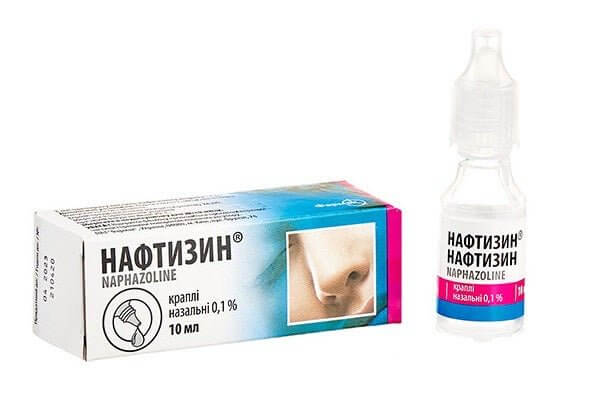
Naphthyzin: This nasal decongestant quickly relieves nasal congestion. Ideal for short-term use, it reduces swelling in the nasal passages.
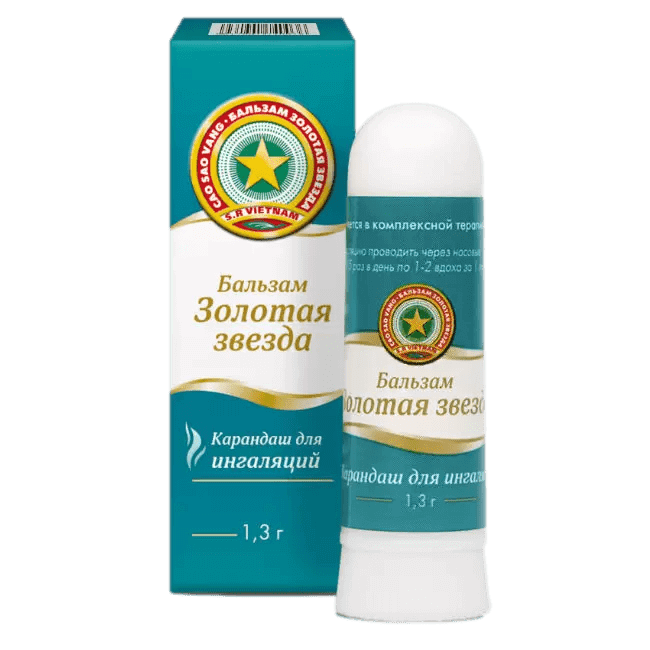
Pencil for Inhalation Golden Star: A unique product, this inhalation pencil is convenient for on-the-go relief from nasal congestion.
Pinosol Nasal Spray: Infused with natural oils, Pinosol provides a soothing effect and is great for those who prefer a natural approach.

Pinosol Nasal Spray 10ml - Пиносол Спрей назальный 10мл
Sanorin Nasal Drops and Spray: These products offer relief from nasal congestion with a gentle formula suitable for sensitive noses.
Snup: This nasal spray is effective for severe congestion and runny nose. It should be used as directed to avoid overuse.

Nazorin Spray: An excellent choice for seasonal rhinitis, Nazofin helps reduce irritation and ease discomfort.
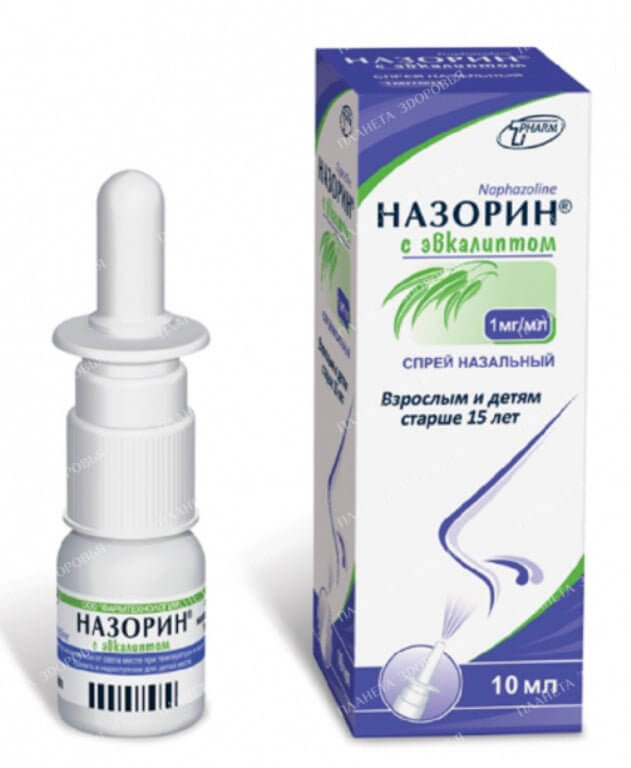
Nazorin Spray 10ml - Назорин Спрей 10мл
Check out as well:
Using nasal drops and sprays effectively is a key component in managing various nasal conditions. Remember, the right technique and adherence to guidelines can significantly enhance the effectiveness of these supports. It's always advisable to consult with healthcare professionals for personalized advice, especially if discomfort persist or worsen.
Our Russian store is always near, in a couple of clicks. Check out our carefully created selection. Enjoy the convenience of free delivery on orders over $69. Take this opportunity to care for your nasal health with our top-quality products.
Take care and breathe easy!
A modern approach to joint support is built not around one universal solution, but around understanding the cause of pain and the specific issues that need to be addressed

They are supportive agents that work best alongside lifestyle changes and elimination of damaging factors

This balm is used for a wide range of skin issues - from minor injuries to persistent irritation