



A modern approach to joint support is built not around one universal solution, but around understanding the cause of pain and the specific issues that need to be addressed

The diuretic and cleansing properties of bearberry (Arctostaphylos uva-ursi) were first identified in the 18th century at the Montpellier School. Since then, it has been widely used across Europe to stimulate urination and help dissolve kidney stones.
Today, bearberry is recognized by the WHO (World Health Organization) and recommended as a gentle cleansing for supporting mild irritation conditions of the urinary tract and bladder, such as cystitis, urethritis, and dysuria (pain or burning during urination).
Bearberry is a shrub with red berries from the heather family, growing in dry, shaded places across many continents. It is a natural solution within the category of genitourinary agents, especially for mild conditions. Most commonly, it is used to help relieve cystitis.
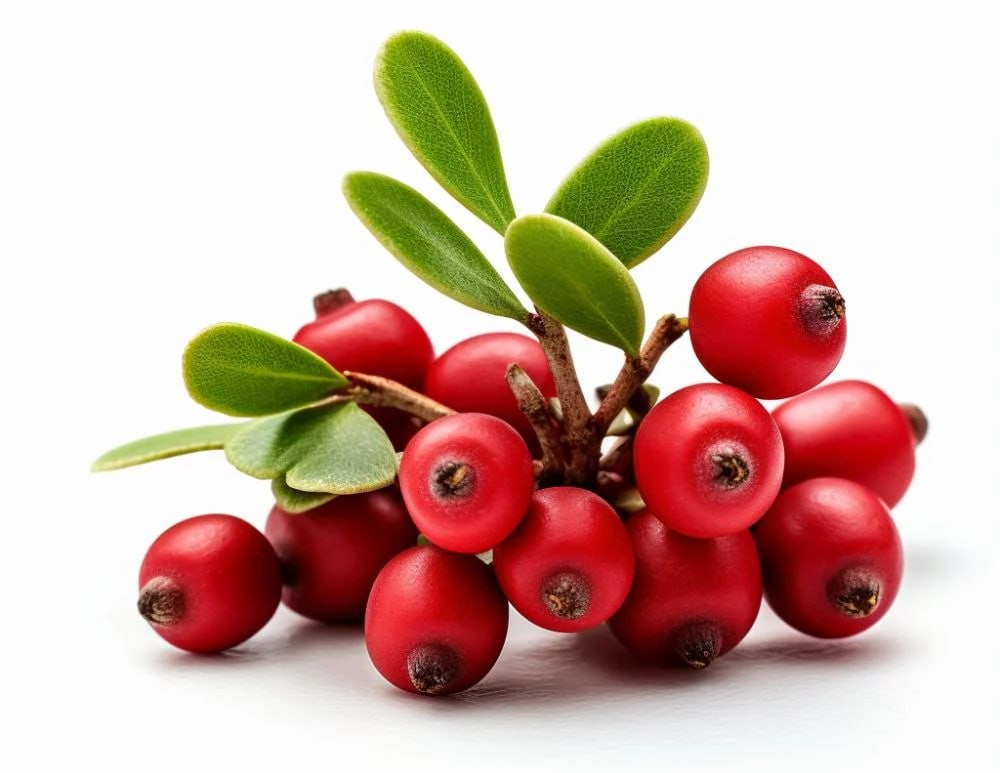
The Latin name Arctostaphylos uva-ursi means "bear’s grape," as both the Greek and Latin roots refer to bears and grapes.
The European Agency (EMA) officially recognizes bearberry leaves for easing discomfort of mild and recurring lower urinary tract irritations, such as burning sensations and frequent urination in women—provided that serious conditions have been ruled out by a doctor.
Bearberry is effective against cystitis and other irritations due to its high content of arbutin, a blend responsible for antibacterial action. After absorption, arbutoside is transformed by gut microbiota into hydroquinone, a phenol with strong antimicrobial properties.
Leaves also contain epicatechin and catechin—blends known for combating irritations, particularly at the vaginal level. This makes bearberry a trusted cleansing for the urinary tract and genitals, without disrupting the natural flora.
Scientific studies confirm that bearberry leaves have both in vitro and in vivo antimicrobial action against microbes like Candida, Escherichia, Salmonella, and Staphylococcus, common causes of cystitis.
Bearberry also acts as a diuretic, helping eliminate excess uric acid, urea, and oxalic acid from the body. This makes it especially helpful for women who frequently suffer from urinary tract infections.
Bearberry is recommended:
When abdominal discomfort is present, a product for abdominal pain made with bearberry may offer relief—especially when used alongside supportive products, as directed by a specialist.
Bearberry leaves can be used in various forms—from herbal tea and liquid extract ampoules to homeopathic drops and powdered pieces.
For preventing cystitis or assisting in support, whole crushed leaves or aqueous extracts are commonly recommended.
To address fluid retention, prevent cystitis, or treat mild urinary tract irritations, you can prepare an infusion from bearberry leaves.
Steep 3 grams of dried bearberry leaves in 150 ml of room-temperature water for 25 minutes. Drink immediately. Repeat up to three times daily.
Important guidelines for use:
Bearberry is known for its gentle, natural support of urinary tract health. At USA Apteka, you can find high-quality bearberry leaves prepared with full safety compliance. This product is ideal for those seeking a plant-based health solution.
We offer convenient shipping within the USA and all around the world and support assistance via chat, WhatsApp, social network messages, or email. Get advice with care, precision, and a human touch.
A modern approach to joint support is built not around one universal solution, but around understanding the cause of pain and the specific issues that need to be addressed

They are supportive agents that work best alongside lifestyle changes and elimination of damaging factors

This balm is used for a wide range of skin issues - from minor injuries to persistent irritation