


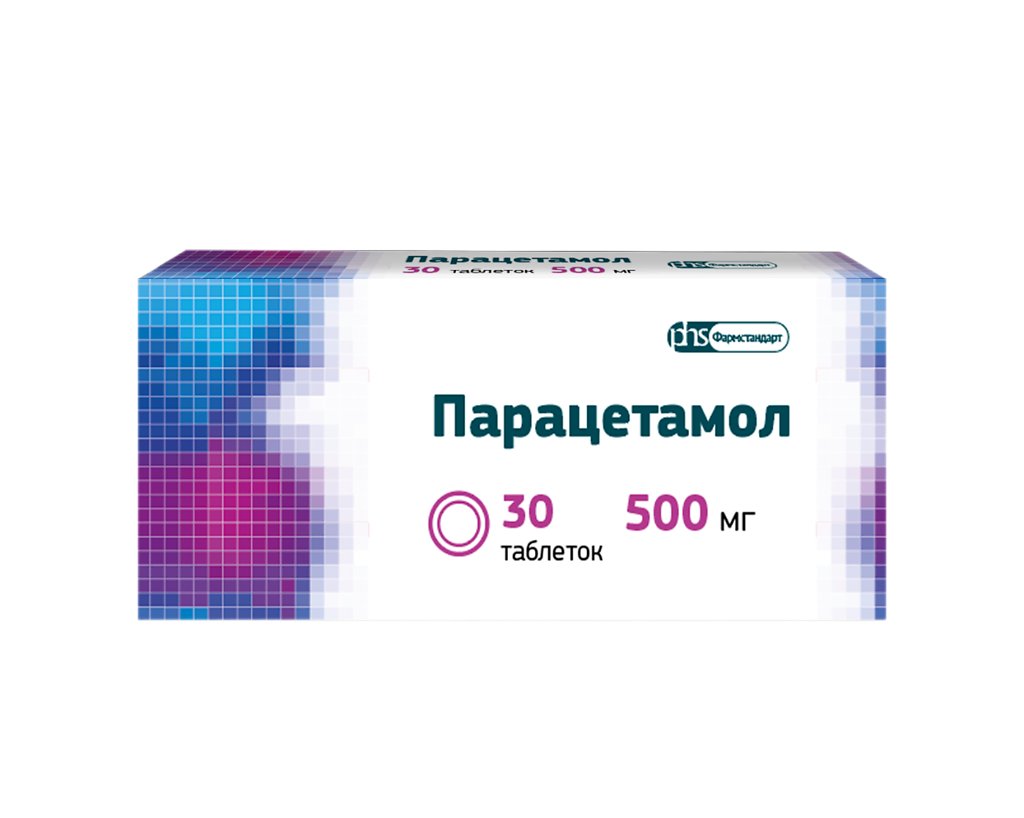


Paracetamol, known in the US as acetaminophen, is one of the most familiar names in any home cabinet, the everyday helper people reach for to ease a high temperature and common aches. It has been a household staple for generations, valued for being gentle on the stomach compared with some other options and simple to keep on hand. The active is paracetamol itself, and it comes in the classic 500 mg pieces, in a children’s syrup, and in other convenient formats. On USA Apteka it is offered in the original packaging of European and CIS-region producers, so a returning buyer finds a name they trust.
This page is a plain-language guide, not a personal recommendation. Paracetamol is a familiar everyday helper for a high temperature and everyday pain, not something for a serious condition, and the honest way to use it is at the amount on the pack and no more. The aim here is to explain what is in it, what it is taken for, how soon it works, and where the important cautions are, especially around the amount and the liver.
What is in paracetamol
The composition of paracetamol is short and clear: the active is paracetamol, and the rest simply shapes the format. When people look up the makeup of paracetamol, that single active is the answer.
A quick look at the formats:
- the classic paracetamol in the 500 mg pieces is the everyday adult format, swallowed with water;
- a children’s syrup makes it easy to give a measured amount by weight;
- soluble and suppository formats exist for those who prefer them;
- whichever format, the active is the same, and the rest is carriers, flavor, or a coating.
So paracetamol 500 in pieces and a spoon of children’s syrup are the same active in different amounts and formats. The label lists the amount per piece or per dose, which is exactly what matters for taking it safely, covered further below.
What paracetamol is taken for
People reach for paracetamol for a familiar, everyday set of reasons, and its honest place is as a simple helper for a high temperature and common aches rather than anything more.
The situations paracetamol is taken for:
- a high temperature that comes with a cold or a seasonal bug;
- everyday head pain and the throb of a headache;
- toothache, and the muscle and joint aches that come with feeling run-down;
- the general achy discomfort of a cold, where easing the temperature and the aches helps rest.
It is worth being plain: paracetamol eases a high temperature and pain, but it does not work on the cause behind them, so it is a comfort helper while the body recovers. A high temperature that holds for several days, a severe or unusual pain, or anything that keeps coming back is a reason to see a doctor rather than to keep topping up.
How soon paracetamol works
A common question is how soon paracetamol works, and the reassuring answer is that it usually acts fairly quickly, though not instantly.
What to expect on timing:
- taken by mouth, it usually begins to ease a temperature or an ache within about thirty minutes to an hour;
- a soluble format can feel a little faster, since it is already dissolved;
- the effect builds to its peak over the first hour or two and then eases off, which is why doses are spaced by the pack;
- it is not an instant switch, so waiting the full interval before considering more matters.
So paracetamol usually brings noticeable relief within the first hour, and the sensible move is to give it that time rather than taking more too soon. If it brings no relief at all across a couple of doses, that is a signal to rethink rather than to keep adding.
Paracetamol and a headache
A frequent question is whether paracetamol helps with a headache, and the honest answer is that it is one of the familiar, gentle options for an ordinary headache, used at the amount on the pack.
A few practical points:
- for an everyday tension-type headache, paracetamol is a common, gentle first choice;
- it eases the pain rather than the cause, so a headache from tiredness, hunger, or too little water also responds to rest, food, and fluids;
- some people prefer a combination option such as Citramon for a headache, which pairs paracetamol with other components, and that is a different pick with its own cautions;
- a sudden, severe, or unusual headache, or one that keeps returning, is a reason to see a doctor rather than to keep dosing.
So paracetamol does help with an ordinary headache for many people, kept to the amount on the pack, while a headache that is severe, sudden, or stubborn belongs with a doctor rather than with repeated doses.
The dosage of paracetamol
The dosage of paracetamol is the single most important thing to get right, since the safety of this familiar helper depends entirely on staying within the amount.
A sensible approach:
- follow the amount on the pack, a common adult single amount being 500 mg to 1 g, not more often than the pack allows;
- leave the full interval between doses, usually four to six hours, and do not exceed the daily limit the pack states;
- never take two different products that both contain paracetamol at once, since many cold combinations already include it;
- take the lowest amount that helps, for the shortest stretch, rather than the maximum by habit.
The one rule that matters most: the daily limit is a firm ceiling, not a target, because going over it is where paracetamol becomes a risk to the liver. Reading every pack for hidden paracetamol in cold combinations is part of staying safe.
Paracetamol for children
Paracetamol for children is common and familiar, but it is dosed by the child’s weight rather than by an adult guess, so the leaflet and the right format matter.
A few points worth keeping in mind:
- the children’s syrup is the usual format, measured by weight and age as the leaflet sets;
- the amount is worked out by weight, so the leaflet or a pediatrician’s guidance comes before any adult comparison;
- doses are spaced by the leaflet and the daily limit for the child’s weight is not exceeded;
- for a baby, a very young infant, or a high temperature that holds, a doctor’s or pediatrician’s word comes first.
So paracetamol for children is a familiar helper in the syrup format, dosed by weight and kept within the daily limit, with a doctor involved for the very young or for a temperature that will not settle.
Paracetamol and a sensitive stomach
A common question is whether paracetamol is fine with a stomach ulcer or a sensitive stomach, and here it has a genuine advantage worth knowing.
What makes it different:
- unlike some other pain options, paracetamol does not irritate the stomach lining in the same way, so it is often the gentler choice when the stomach is sensitive or ulcer-prone;
- that is exactly why it is frequently preferred over the anti-inflammatory options for someone with a delicate stomach;
- it is still taken at the amount on the pack, since its gentleness on the stomach does not change the liver limit;
- anyone with a known stomach condition still checks with a doctor, especially if other items are involved.
So paracetamol is usually the more stomach-friendly choice for pain or a high temperature when the stomach is delicate, which is one reason it stays so widely used, while the amount and the liver limit still apply.
Who should be careful with paracetamol
Paracetamol is familiar and gentle, but its safety rests entirely on the amount, so a few cautions matter more than usual.
It is approached with care:
- with a liver condition, since paracetamol is processed by the liver and the limit protects it;
- with regular or heavy alcohol use, which adds to the load on the liver;
- when other products are in play, since many cold combinations already contain paracetamol and can add up unnoticed;
- with a kidney condition, where a doctor guides the amount;
- always within the daily limit, which is the firm line that keeps it safe.
If a high temperature or pain does not ease with the proper amount, the answer is a doctor rather than more paracetamol. And the single most important safety habit is never to double up on hidden paracetamol across different products.
Paracetamol and neighboring themes
A couple of honest notes help place paracetamol next to other familiar items, since it eases a temperature and pain and other concerns belong elsewhere.
Worth keeping in mind:
- for a headache, some people choose a combination option such as Citramon, which pairs paracetamol with other components and is a different pick with its own cautions;
- through a cold or a seasonal bug, paracetamol eases the temperature and aches while seasonal antiviral support such as Viferon works on the viral side, two different jobs in the same few days;
- a fluttery or anxious feeling around the heart is its own separate matter, where something familiar like Validol is the usual choice, and a temperature-and-pain helper has nothing to do with it;
- paracetamol stays in its lane as a helper for a high temperature and everyday aches, while the headache-combination side, the seasonal side, and the heart-comfort side each keep their own place.
In short, paracetamol eases a high temperature and pain, while combination options, seasonal support, and heart-comfort items each sit in their own category and, where it matters, under a doctor’s eye.
A few facts about paracetamol
A few details help place this familiar helper.
Worth knowing:
- the active is paracetamol, known as acetaminophen in the US;
- it eases a high temperature and pain, but does not work on the cause behind them;
- it comes as the classic 500 mg pieces, a children’s syrup, and other formats;
- it is gentler on the stomach than some other pain options, but is processed by the liver, so the daily limit is firm;
- the date and storage terms are printed on the pack.
Common questions about paracetamol
A few questions come up again and again, and short, honest answers help.
Quick answers:
- what is it for, easing a high temperature and everyday aches, as a comfort helper while the body recovers;
- how soon does it work, usually within about thirty minutes to an hour;
- does it help a headache, yes for an ordinary one, kept to the amount on the pack;
- is it fine with a delicate stomach, usually yes, since it is gentler on the lining than some other options;
- what about children, the syrup dosed by weight, with a doctor for the very young;
- the most important rule, stay within the daily limit and never double up on hidden paracetamol in cold combinations.
If a question is not answered here, the support team is glad to point to the right part of the section, while the personal decision stays with you and your doctor.
Where to find paracetamol
Paracetamol is available to order from USA Apteka with delivery across the United States and abroad, in the classic 500 mg pieces, a children’s syrup, and other formats, in the original packaging of European and CIS-region producers. Delivery within the US, including Hawaii and Alaska, is free over $69, while orders to other countries ship at a paid rate regardless of the total. The support team is glad to help by chat or WhatsApp with a format or a stock check, and regular customers have a bonus program and seasonal offers.
Storage is simple, a dry place out of direct sunlight, with the pack closed, and the date on the box. And the sensible rule for paracetamol is to take the lowest amount that helps, stay within the daily limit, never double up on hidden paracetamol across products, and see a doctor when a temperature holds or a pain is severe. Take care of yourself, and let paracetamol do its simple, familiar job within its safe limit.
Please Chat with us or send us a message on WhatsApp