










































- 1
- 2
A wet cough, also called a productive cough, is the kind that brings up mucus. It is not an enemy in itself: it is the way the airways clear out the fluid that builds up during a cold, after a chesty bug, or while the body is finishing its recovery. The job of a wet-cough item is not to silence that reflex but to make it work better, by thinning thick mucus and helping the airways move it up and out. On USA Apteka the wet-cough section gathers syrups, soluble formats, and pieces built around well-known plant and laboratory ingredients, in the original packaging of European and CIS-region producers, so a returning buyer finds a familiar name rather than guessing at a new one.
This page is a plain-language guide to the section, not a personal recommendation. It explains how a wet cough differs from a dry one, how the formats work, what people usually weigh when choosing, how to use the items sensibly, and where the line is that calls for a doctor. The aim is to help you read the range with confidence and ask the right questions, while the real decision for any ongoing or heavy situation stays with a professional. A wet cough is almost always a symptom rather than a stand-alone problem, so the smart approach is to support the body gently and to keep watching how things change.
Wet cough versus dry cough
The single most useful distinction in this whole topic is the one between a wet, productive cough and a dry, unproductive one, because the two call for opposite kinds of help. A wet cough produces mucus and needs support to thin and clear it; a dry cough produces nothing and is usually about a tickle or irritation that a person wants to calm.
That difference matters for a practical reason:
- a wet cough is helped by items that loosen and move mucus, so the chest can empty;
- a dry cough is helped by items that quiet the urge to cough;
- the two ideas pull in opposite directions, which is why they are not combined at the same time.
This is the most common mistake people make, reaching for a cough-calming product to get through the night while also taking something to bring up mucus. Quieting a productive cough traps the very fluid the body is trying to clear, which can leave the chest feeling heavier the next morning. So the first question is never which item is strongest, but which kind of cough you actually have, and a cough that has clearly turned wet is handled with mucus support, not with silence.
It is also normal for one cough to change into the other. Many colds start with a dry, scratchy phase and then turn wet as the body produces mucus, and the choice of item is expected to follow that shift rather than stay fixed on the first few days.
Choosing the right wet-cough item for adults
Choosing well starts with a simple observation: what is the mucus actually like. Thick, sticky mucus that is hard to bring up calls for a different kind of help than thin, loose mucus that already moves easily. When people look for lekarstva ot vlazhnogo kashlya dlya vzroslykh, that is, лекарства от влажного кашля для взрослых, most of them want one of two things, either to loosen mucus that has gone too thick, or to support the natural clearing of mucus that is already on the move.
A few practical points people usually weigh:
- the character of the cough, whether it is dry and turning wet, freshly productive, or trailing at the end of a cold;
- the texture of the mucus, since very thick mucus responds to thinning support while looser mucus responds to gentle clearing support;
- personal factors, such as a sensitive stomach, other ongoing care, pregnancy, or simply a preference for plant-based over laboratory ingredients;
- the format that fits the day, a syrup at home, a soluble drink, or pieces to carry along.
There are, broadly, three working ideas behind the items in this range. The first is mucus-thinning, which breaks down the structure of thick, sticky mucus so it flows more easily. The second is gentle clearing support, which nudges the airways to produce a thinner secretion and helps the tiny sweeping cells move it along. The third is plant-based soothing, where familiar herbs calm an irritated lining while the cough does its work. Most products lean on one of these ideas, and matching the idea to the mucus is more useful than chasing the strongest label.
It is worth saying plainly that the same productive cough can follow an ordinary cold or point to something that needs proper attention, so the choice of a home item makes sense only while the picture stays mild and familiar. When in doubt, the calmer move is to start gentle, give it a few days, drink plenty of fluids, and keep a doctor in the loop if anything feels off.
Syrups and mucus-clearing options for a wet cough
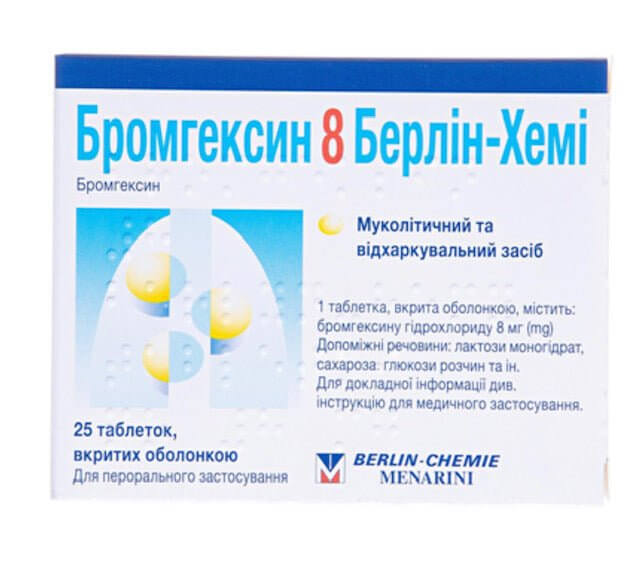
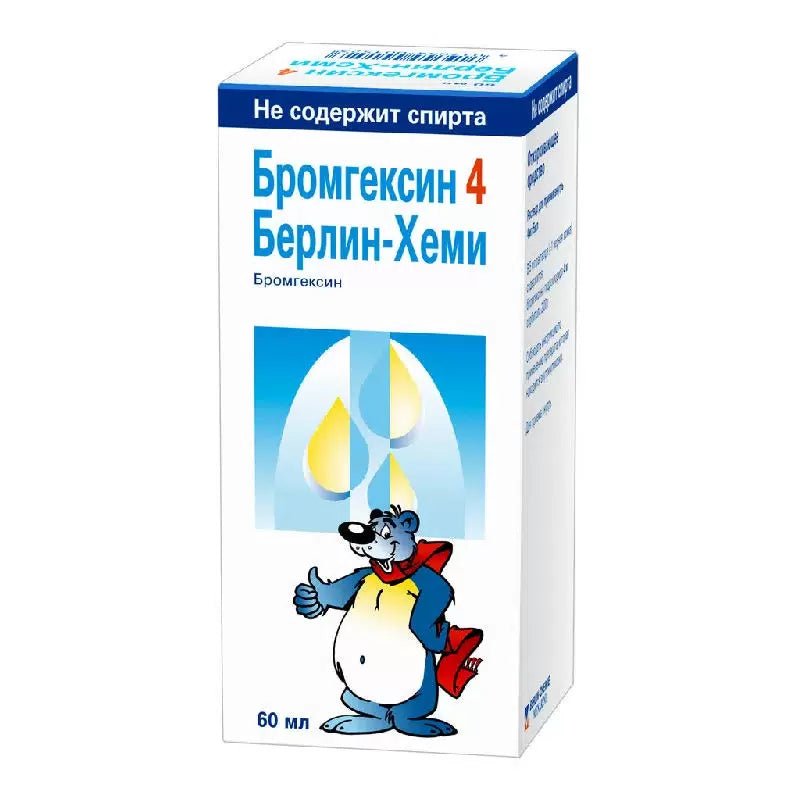
Syrups are the most familiar format for a wet cough, and for good reason: they are easy to dose, pleasant to take, and they coat the throat on the way down. A syrup for a wet cough usually leans on one of two families, either plant extracts with a long history of home use, or laboratory ingredients designed to change how mucus behaves.
Plant-based syrups
Plant-based syrups are the traditional heart of this range. Several plants have been used for generations to support a productive cough:
- ivy leaf, valued for helping loosen and move mucus and a long-time favourite in chesty-cough syrups;
- thyme, a warm, aromatic herb long linked with a chesty cough and often paired with ivy;
- plantain and marshmallow root, used to soothe an irritated airway lining while mucus clears;
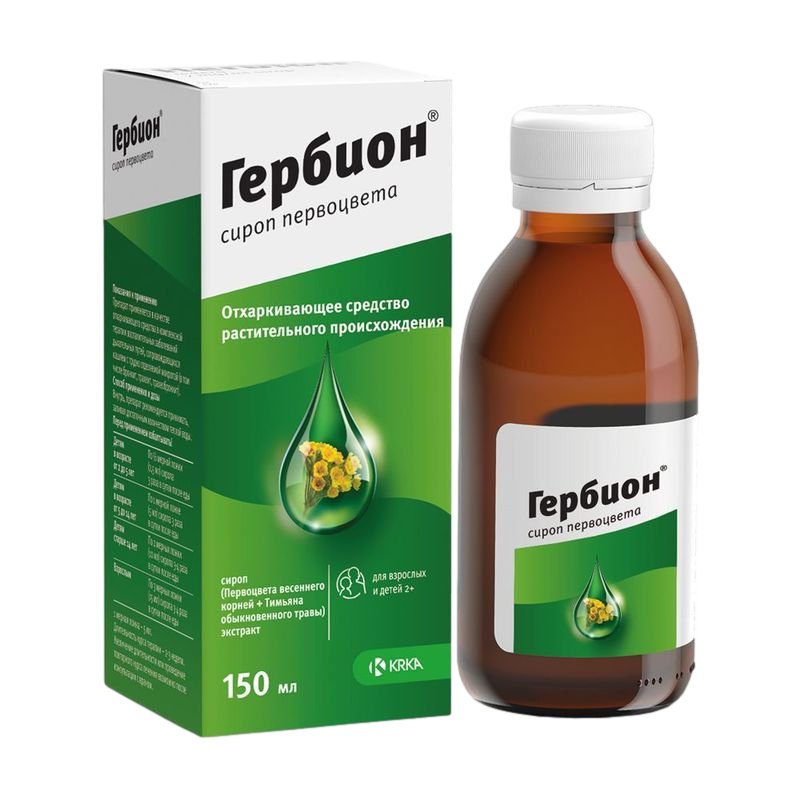
- primrose root, another classic chest herb that supports bringing mucus up;
- licorice root, a familiar sweet-tasting support, used with care because it is not for everyone.
These syrups appeal to people who prefer a gentle, familiar profile and who are easing a mild productive cough at home. The effect is usually mild and builds over a few days rather than switching the cough off at once, which suits the slow, steady work of clearing the chest.
Mucus-clearing and mucus-thinning syrups
The other family of syrups uses laboratory ingredients to make thick mucus thinner and easier to bring up. In everyday speech these are the mucus-thinning and mucus-clearing options. Some loosen the bonds inside sticky mucus so it flows more easily; others nudge the airways to produce a thinner, more mobile secretion; a few do a little of both. The practical result people look for is the same, a cough that brings something up more easily and tires the chest less.
A note on how the clearing idea works: by thinning the secretion and supporting the tiny hair-like cells that sweep the airways, these options help the cough do its natural job instead of fighting it. That is exactly why a productive cough is not paired with a cough-calming product at the same time, a point worth repeating because it trips up so many people.
Pieces and other formats for a wet cough
Beyond syrups, the same active ideas come in pieces and soluble formats, which suit people who would rather not carry a bottle or who simply prefer a measured dose. The choice between a syrup and pieces is mostly about convenience and taste rather than strength.
The main alternatives to syrup:
- soluble or effervescent formats that dissolve in a glass of water, often chosen for a once-a-day rhythm and an easy way to drink more fluid at the same time;
- coated pieces with mucus-thinning ingredients, easy to carry to work or on the road;
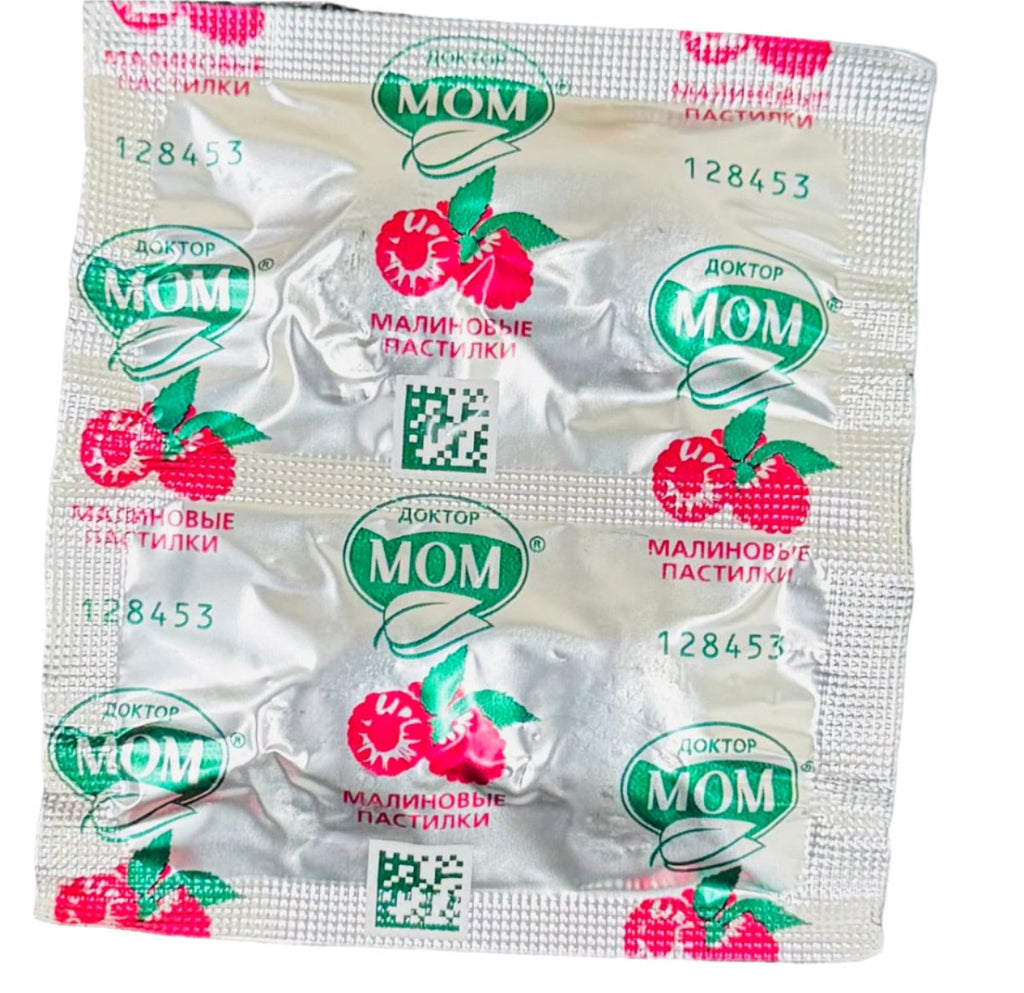
- plant-based pieces and pastilles that combine a soothing feel with mucus support.
When people compare a syrup with pieces for a wet cough, the honest answer is that the format follows the lifestyle. A syrup is friendly at home and for anyone who finds pieces hard to swallow; pieces and soluble formats travel better and are easy to dose to the hour. What matters more than the format is matching the ingredient idea, thinning versus gentle clearing, to the kind of mucus you are dealing with, and reading the producer’s leaflet for the amount and the schedule. Two products with the same active idea in different formats are closer to each other than two syrups built on opposite ideas.
Plant-based or laboratory-made: which to pick
A question that comes up a lot is whether plant-based or laboratory-made options are better for a wet cough, and the honest answer is that neither wins by default. They simply suit different people and different moments.
A few honest comparisons:
- plant-based options are gentle, familiar, and slow to build, which suits a mild productive cough and anyone who prefers herbs;
- laboratory-made options act more directly on thick, stuck mucus and tend to feel faster when the chest is heavy;
- a sensitive stomach, other ongoing care, or a simple preference often tips the choice as much as the cough itself;
- two products that share the same idea are not stacked together, since doubling up adds risk without adding benefit.
In practice many people use a plant-based option for a light cough and reach for a thinning one when mucus turns stubborn. Neither choice is a statement about quality; it is about fit, and the leaflet plus a pharmacist’s quick view settle most of the doubt.
What the colour and texture of mucus can mean
People often read a lot into the colour of mucus, and a few calm facts help more than worry. Mucus changes through the course of a cold, and most of those changes are part of normal recovery rather than a sign of something serious.
A rough guide, kept simple:
- clear or whitish mucus is the usual picture of an ordinary cold and a freshly wet cough;
- yellow or green mucus is common as a cold runs its course and does not, on its own, prove anything that needs special care;
- very thick, sticky mucus is mostly a sign to drink more and to lean on thinning support;
- rusty, brown, or blood-streaked mucus, or anything with a fever that holds, is a reason to step away from home items and see a doctor.
The texture matters more than the exact shade for choosing an item: thick and stuck points toward thinning support, while loose and moving points toward gentle clearing. And the single most reliable way to keep mucus on the thinner, easier side is plain fluids through the day, which is why water comes up again and again on this page.
The most effective wet-cough option: what experts suggest
People often search for the single most effective wet-cough item, and the honest, expert-minded answer is that there is no one winner for everyone. A productive cough has different causes and different mucus textures, and the option that helps one person can be the wrong fit for another. What specialists tend to agree on is a set of sensible principles rather than a magic name.
The principles that matter most:
- match the idea to the mucus, thinning support for thick, stuck mucus, and gentle clearing support for mucus that already moves;
- do not pair a productive cough with a cough-calming product, since quieting the reflex traps the very mucus you are trying to move;
- drink plenty of fluids, because water is the simplest mucus-thinner there is, and it makes any chosen item work better;
- give it a few days, since mucus-supporting items build their effect rather than acting in one dose;
- keep the course short and reassess, rather than stretching the same item for weeks.
So the best wet-cough option is the one that fits your mucus, your health picture, and your day, used for a short stretch with plenty of fluids. A gentle plant-based syrup, a thinning option, and a soluble format can all be the right answer in different hands; the wrong move is to assume the strongest-sounding product wins. If a productive cough drags on past that short window, the most effective next step is not a stronger bottle but a conversation with a doctor.
How to use wet-cough items properly
Getting the routine right often matters as much as the choice of item. A few simple habits help any wet-cough product do its job and lower the chance of a rough night.
Sensible use, in short:
- read the leaflet first, since the amount and the schedule depend on the specific product and the ingredient;
- take mucus-thinning items earlier in the day rather than at bedtime, so the loosened mucus can be cleared while you are upright and awake;
- keep up the fluids through the day, which supports the thinning effect and eases the chest;
- avoid pairing a mucus-thinner with a cough-calming product at the same time;
- hold the course short, a typical home stretch is a handful of days, then a pause and a rethink.
Timing deserves a little more attention, because it is where people most often go wrong. A mucus-thinning item taken right before bed can loosen a load of mucus just as a person lies down flat, which makes for a coughing, restless night. Taking those items earlier, and finishing the day with a soothing rather than a loosening product, usually works better. And the amount on the leaflet is the ceiling, not a starting suggestion to beat; more does not clear the chest faster, it only raises the chance of an upset stomach or other side effects.
Common mistakes with a wet cough
Most trouble with a wet cough comes not from the wrong product but from the wrong way of using a reasonable one. A few habits are worth avoiding.
The usual slip-ups:
- silencing a productive cough with a cough-calming product, which traps the mucus the body is clearing;
- going over the amount on the leaflet in the hope of clearing the chest faster, which only raises the chance of side effects;
- taking a mucus-thinning item right before bed, so loosened mucus pools as you lie flat;
- letting the fluids slide, when water is the very thing that keeps mucus thin;
- stacking two products built on the same idea, which doubles risk without doubling benefit;
- jumping between products every day, expecting an instant result that mucus support does not give;
- running the same course for weeks without a rethink instead of reassessing after a short stretch.
Avoiding these costs nothing and often matters more than which bottle is chosen. A reasonable item used patiently, with fluids and a short course, beats a constantly changing line-up of half-tried ones.
Home habits that help a wet cough along
A single product works best when the rest of the day is on its side, and the home measures for a wet cough are simple, cheap, and genuinely useful. They all push in the same direction as the items, toward thinner mucus and an easier clearing.
What tends to help:
- drink steadily through the day, since fluid is the body’s own mucus-thinner;
- keep the room air humid, with a humidifier or just a bowl of water near the heating, because dry indoor air thickens mucus;
- use the steam from a warm shower as a quick, free way to loosen the chest;
- prop the head a little higher at night so mucus does not pool flat;
- rest properly, since recovery is when the body finishes the clearing work;
- set aside smoke and alcohol, both of which dry and irritate exactly the wrong way.
None of this replaces a sensible product when one is wanted, and none of it is a substitute for a doctor when the picture is heavy. But in a mild, ordinary wet cough, warm drinks, humid air, and rest often carry most of the load, with a well-chosen item simply helping things along.
A wet cough in older adults and with ongoing conditions
This page is written for adults, and even among adults a wet cough does not behave the same for everyone. A few groups are worth a closer, calmer look.
Points worth keeping in mind:
- older adults often clear mucus less easily, so steady fluids and a humid room matter even more, and a new productive cough is worth mentioning to a doctor sooner;
- anyone with a long-standing chest condition, or a smoker, treats a fresh wet cough with extra care, since the usual home picture may not apply;
- people already on regular care check that a new cough item does not clash with what they take, ideally with a pharmacist or doctor;
- a child’s wet cough is its own topic, handled by a pediatrician with child-specific forms, not scaled down from an adult product.
None of this turns a simple cold into an emergency. It is a reminder that the home section fits the mild, ordinary case best, and that a few groups simply have a lower threshold for looping in a professional.
What to avoid and when to see a doctor
A wet cough that follows an ordinary cold usually settles within a week or so as the body finishes clearing the airways. The home section is built for that mild, familiar picture. There are signs, though, that mean the bottle should step aside and a doctor should take over.
It is time to see a doctor when:
- the mucus turns rusty or brown, contains streaks of blood, or becomes thick and discoloured with a fever that holds;
- the temperature stays high beyond three to five days or climbs again after easing;
- there is shortness of breath, chest pain, or wheezing;
- the cough drags on for weeks, or keeps returning, especially in a smoker or anyone with a long-standing chest condition;
- the person is elderly, pregnant, or living with a serious ongoing condition.
A couple of common mistakes are worth naming. The first is silencing a productive cough at night with a cough-calming product just to sleep, which can leave mucus pooling in the chest. The second is stacking several items with overlapping ingredients, which adds risk without adding benefit. When unsure, fewer items and a doctor’s view beat a crowded cabinet of half-used bottles.
When a wet cough lingers after a cold
Sometimes the cold is gone but the cough stays, and a productive cough can trail on for a week or two while the airways settle. That tail end is normal up to a point, and it is also where people most often reach for too much.
A calm way to read the tail:
- if mucus is fading but a light cough remains, the body is usually finishing the job, and gentler support beats a stronger product;
- if the cough has turned dry and tickly with no mucus, the wet-cough idea no longer fits, and the approach shifts to calming the tickle;
- if a productive cough holds past about three weeks, returns in waves, or comes with weight loss, night sweats, or breathlessness, that is a doctor’s visit, not a new bottle;
- stacking more items onto a lingering cough rarely helps and often just crowds the cabinet.
The simple rule is to ease off as the cough fades rather than to escalate. A cough that will not let go after a reasonable stretch is a signal to be looked at, not out-muscled with a bigger dose.
A wet cough alongside other conditions
A productive cough rarely arrives alone. It usually comes wrapped in a cold or a recovering chest, and the rest of the body feels it too. A few neighbouring themes come up often enough to mention, with the reminder that any combination of items is best checked with a doctor.
Points that come up in real life:
- some mucus-supporting and fever-easing items are processed by the liver, so through a heavy season people sometimes ask about liver support; that is a separate conversation, handled with a doctor, not a reason to layer bottles on a whim;
- mucus-thinning items and the pain-and-fever options often taken alongside a cold can be hard on a sensitive stomach, so anyone dealing with that picks formats and timing with extra care;
- a chesty cold often comes with body aches and sore muscles, and that aching is its own theme, eased with the right local options rather than with a cough item.
The thread through all of this is simple. A wet-cough item has one job, supporting the clearing of mucus, and the other parts of a cold, the liver load, the stomach, the aches, belong to their own categories and, where it matters, to a doctor’s overview.
How to tell an item is working
It helps to know what improvement actually looks like, so the course can be judged calmly rather than by impatience.
Signs that things are moving the right way:
- the mucus feels thinner and comes up with less effort;
- the cough loosens and the chest feels lighter through the day;
- nights are a little quieter, with less of that rattling, stuck feeling;
- the overall cold is easing in step, since the cough is usually part of it.
A mucus-supporting item is judged over a few days, not a single dose, so a fair window is two or three days of steady use alongside plenty of fluids. If there is clear movement, the sensible path is to finish a short course and then ease off as the cough fades. If there is no change at all after that window, or things are sliding backward, the answer is not a bigger dose or a second overlapping product but a fresh look, and where the picture is heavy, a doctor’s view.
Common questions about a wet cough
A few questions come up again and again in this section, and short, honest answers help more than slogans.
Quick answers:
- how long should a wet cough last, usually up to a week or so after a cold, with anything longer worth a doctor’s look;
- syrup or pieces, whichever fits your day and your swallowing, since the format is about convenience, not strength;
- can a wet cough be stopped quickly, the goal is not to stop it but to help it clear, and rushing to silence it tends to backfire;
- is the strongest item the best, no, the best-matched item used with plenty of fluids beats the strongest one used wrongly;
- can plant-based and laboratory ingredients be combined, sometimes, but only with care and ideally a pharmacist’s or doctor’s view, since some share the same idea and double up;
- what helps besides an item, warm drinks, steam, humid air, raised head at night, rest, and patience;
- does a mild wet cough even need an item, often not, since fluids, humid air, and time carry a light cough on their own;
- what about a wet cough with a fever, a fever that holds or climbs shifts the picture out of plain home care and toward a doctor;
- does warm honey or a warm drink help, yes as a gentle, soothing home habit, though not as a replacement when the picture is heavy;
- can a wet cough be handled alone in pregnancy, no, the form and the item are agreed with a doctor;
- what about a long cough in a smoker, that is its own conversation with a doctor rather than a home item.
If a question is not answered here, the support team is glad to help point to the right part of the section, while leaving the personal decision to you and your doctor.
Staying ahead of a seasonal wet cough
A productive cough is most common in the cold months, and a few everyday habits lower how often a chesty cold takes hold and how rough it feels when it does. None of this is a guarantee, but it tilts the odds.
Simple seasonal habits:
- keep indoor air from getting too dry, since dry air thickens mucus and irritates the airways;
- drink steadily through the day as a year-round baseline, not only once a cough starts;
- air out rooms and wash hands often through the season when colds pass around easily;
- rest and sleep enough, since a tired body clears a cold more slowly;
- keep familiar wet-cough items in the home kit so a fresh productive cough can be met early and gently.
Meeting a wet cough early, while it is still mild, with fluids and a sensible item, often keeps it from turning into the dragging kind. Prevention is not dramatic, but it is the cheapest help on this whole page.
Where to find wet-cough items
The wet-cough section on USA Apteka brings together syrups, soluble formats, and pieces built around familiar plant and laboratory ingredients, all in the original factory packaging of European and CIS-region producers, so a returning buyer recognizes the names. Orders are placed online with delivery across the United States and abroad, delivery is free over $69, and the support team is glad to help by chat or WhatsApp with a format or a stock check; regular customers have a bonus program and seasonal offers.
Storage is simple, a dry place at room temperature out of direct sunlight, with opened syrups kept by the timing on the leaflet. And the sensible rule for a productive cough is to start gentle, drink plenty of fluids, keep the course short, and check in with a doctor if the cough drags on or the picture changes. Take care of yourself, and let a wet cough do its clearing job with a little well-chosen support and a few simple home habits.
Please Chat with us or send us a message on WhatsApp