


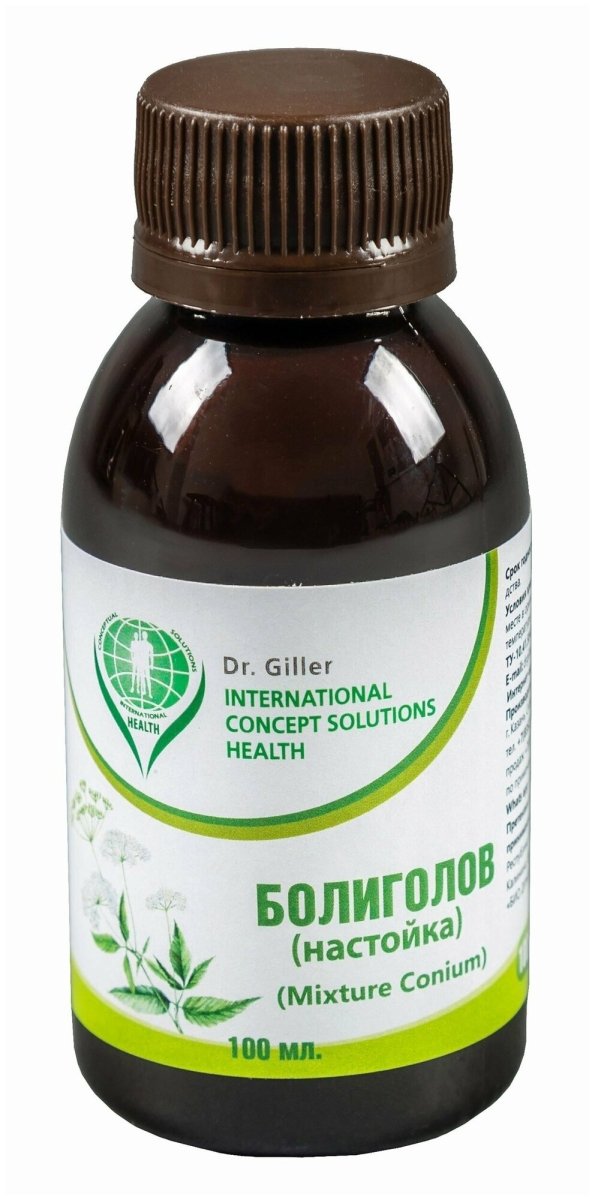
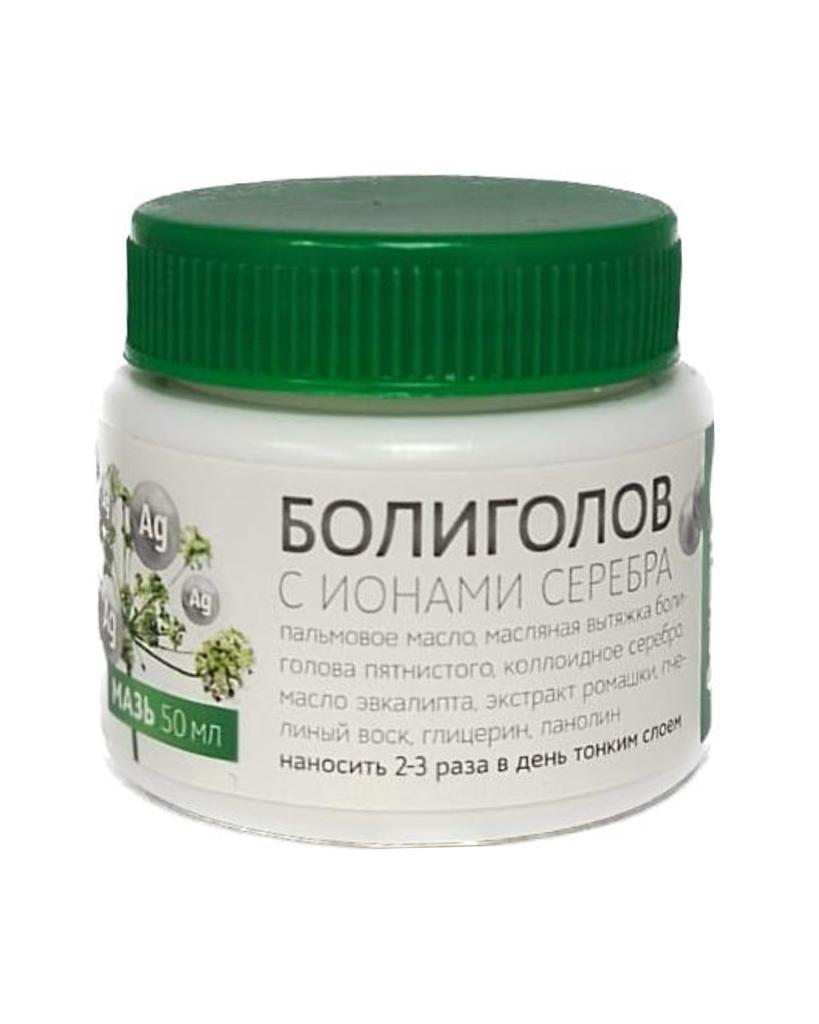
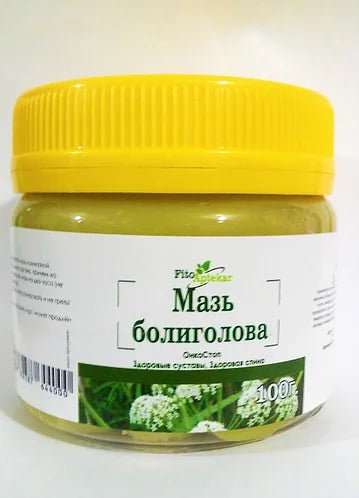
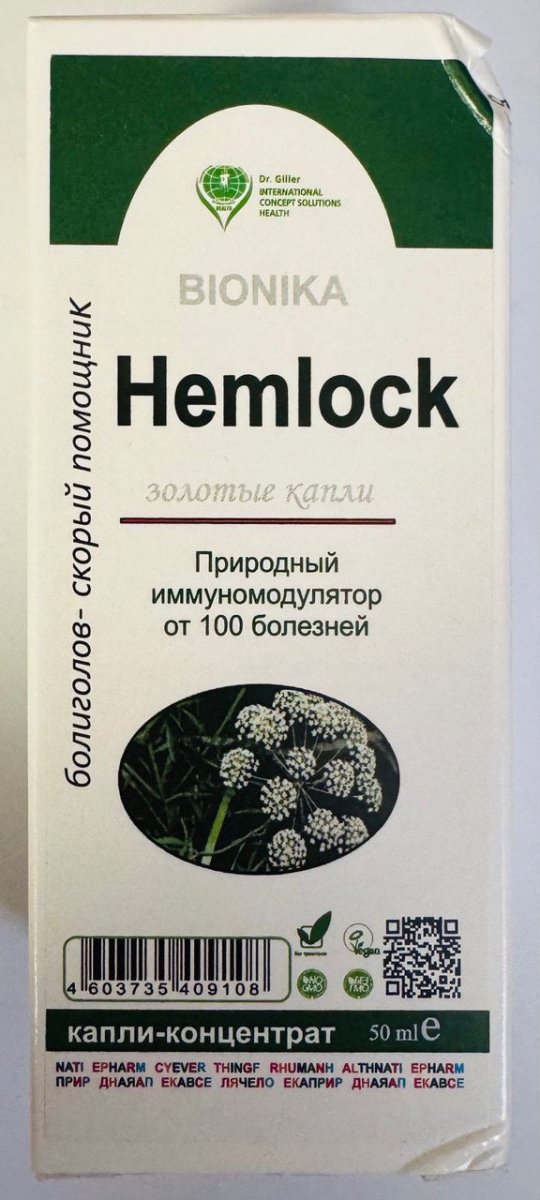

Hemlock, or poison hemlock (Conium maculatum), is a biennial plant of the carrot family, long known in folk tradition. The most important thing comes first: this is a poisonous plant. It contains alkaloids, chiefly coniine, and that is what makes it toxic to people and animals. Hemlock herb is sold as a dried botanical raw material, and it deserves the same respect for its strength as any potent plant.
On USA Apteka, hemlock is offered in the maker’s original packaging, as dried herb. People who look to buy hemlock herb usually know the plant from folk tradition, which makes it all the more important to understand what it really is.
Why hemlock calls for caution
The first thing to know about hemlock is how toxic it is. The plant contains coniine and related alkaloids that act on the nervous system; taken internally it can cause severe poisoning, and in pronounced cases it affects even the muscles a person relies on to breathe. Toxicology references describe hemlock poisoning as potentially life-threatening, a fact known since antiquity.
A few safety points that matter:
- hemlock is not to be taken internally on your own, without the oversight of a qualified professional;
- the dried herb should be kept well away from children and pets, and apart from food and edible plants;
- in the wild it is easily confused with edible plants of the same family, so gathering it yourself is especially risky;
- even handling the plant calls for care, and washing your hands after contact is sensible.
This is not a reason to panic, but a reason for a clear head. Hemlock is a strong and dangerous plant, and any decision involving it belongs with a doctor, not with advice from the internet.
What is known about the hemlock plant
As a plant, hemlock is a tall biennial with a hollow stem marked by distinctive reddish-purple spots, finely divided leaves, and small white flowers in umbels. Crushed, its parts give off an unpleasant smell often described as mouse-like. Every part of the plant carries alkaloids, and the amount shifts with the stage of growth and the conditions.
It is the make-up of the plant that accounts for both its reputation and its danger, the same thing seen from two sides. So the properties of hemlock are best read not as a list of promises but as a reason to handle it with the greatest care, and not to make any decision about using it on your own.
Hemlock in folk tradition
Folk tradition has used hemlock in various ways, and searches still turn up hopes of using the hemlock herb for one thing or another. This is exactly where the most caution is needed. Folk practice is historical context, not a proven or safe plan; the fact that a plant was used somewhere, at some time, says nothing on its own about whether it is safe.
So the only sensible approach is this:
- do not use hemlock internally on your own, and do not follow recipes from the internet;
- make any decision involving this plant only together with a qualified professional who sees your full situation;
- if it is swallowed by accident, especially by a child, seek urgent help straight away, for example by contacting poison control or a doctor.
For the ordinary skin care a home actually needs, a small graze or a scratch after working in the garden, the sensible choices are the familiar everyday options people already keep on hand, not a potent plant like this one.
How to recognize poison hemlock
Because poison hemlock grows wild and resembles harmless plants, knowing it on sight is itself a safety matter. It is most often confused with edible plants of the same family, which is how accidental poisonings happen.
Signs that help tell it apart:
- a tall, smooth, hollow stem marked with distinctive reddish-purple blotches;
- finely divided, fern-like leaves and small white flowers grouped in flat umbels;
- an unpleasant, musty smell when a leaf or stem is crushed, often described as mouse-like;
- it favours damp ground, ditches, roadsides, and the edges of fields.
If there is any doubt about a wild plant, the safe assumption is not to touch or gather it. Mistaking hemlock for wild carrot, parsley, or a similar plant is exactly the error that leads to harm, so foraging it by guesswork is never worth the risk.
If poisoning is suspected
Hemlock poisoning is an emergency, and minutes matter. If someone has swallowed any part of the plant, or shows signs such as nausea, trembling, weakness, a slowed or labored breath, or confusion, this is not a wait-and-see situation.
What to do:
- seek urgent help straight away, for example by calling poison control or emergency services;
- if you can, note how much was taken and when, which helps the professionals;
- do not try to manage it at home or wait for it to pass on its own;
- keep any remaining plant material to show what was involved.
This matters most with children and pets, who are smaller and more vulnerable and who may reach plant material left within reach. Quick professional help is the single most important step.
Storage and safe handling
Because hemlock is toxic, how it is kept and handled matters as much as anything else about it.
Sensible handling:
- store the dried herb sealed and clearly labelled, well away from food, tea, and edible plants;
- keep it out of reach of children and animals, ideally somewhere they cannot access at all;
- wash your hands after any contact, and avoid touching the eyes or mouth in between;
- never move it into an unmarked container, where it could be mistaken for something harmless.
Taking storage seriously is part of respecting what the plant is. A clearly labelled, sealed, out-of-reach container removes the most common ways an accident happens in the first place.
Where to find
Hemlock is available to order from USA Apteka with delivery across the United States and abroad, as dried herb in the maker’s original packaging. Delivery is free over $69, and the support team will answer questions about packaging and stock by chat or WhatsApp; regular customers have a bonus program and seasonal offers.
The dried herb should be stored dry, in tightly closed packaging, kept strictly apart from food and edible plants and out of reach of children and animals. And the most important rule of all: hemlock is a poisonous plant, so any handling of it calls for caution and the involvement of a qualified professional. Take care of yourself, and give this plant the respect its strength deserves.
Please Chat with us or send us a message on WhatsApp