



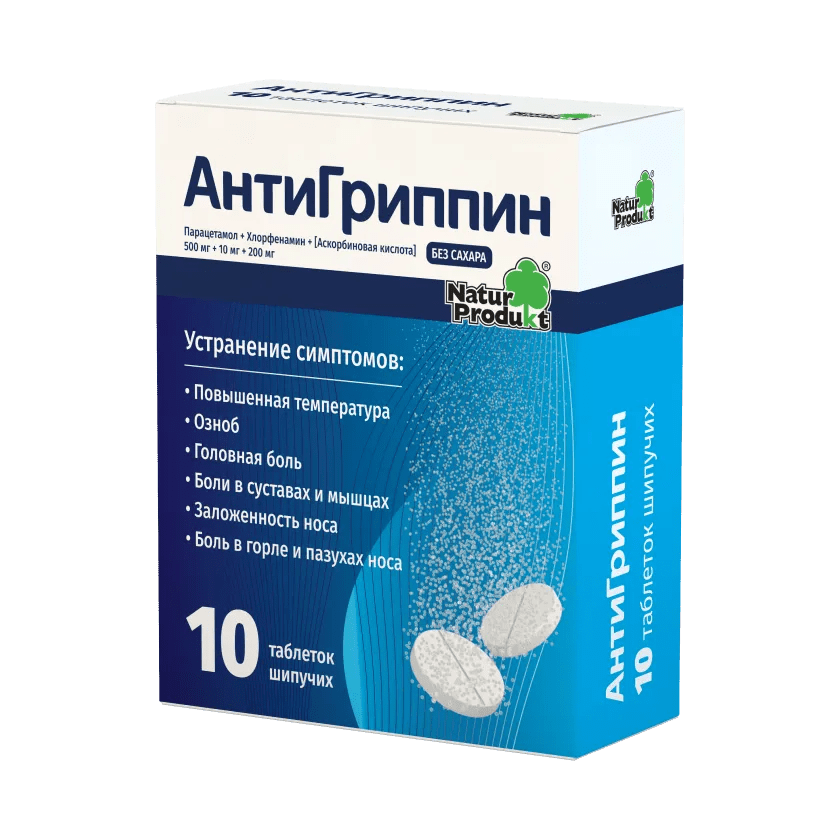





















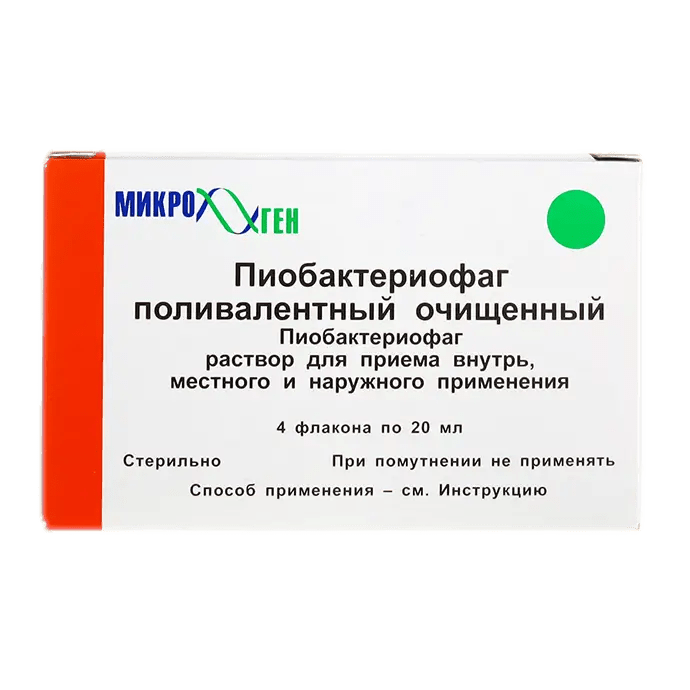
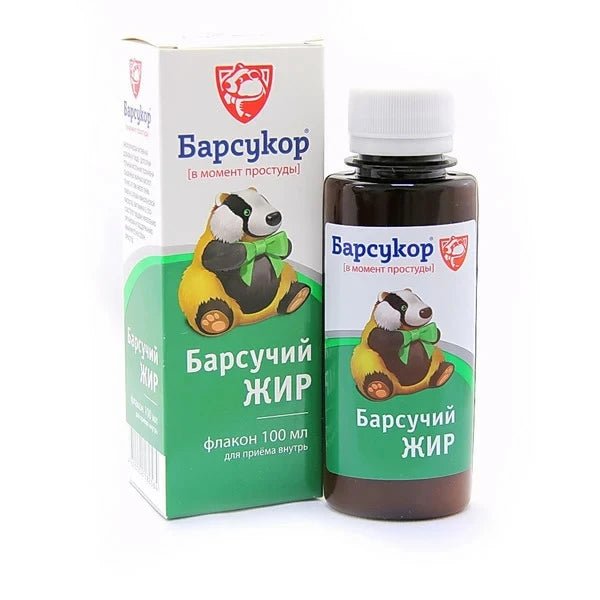

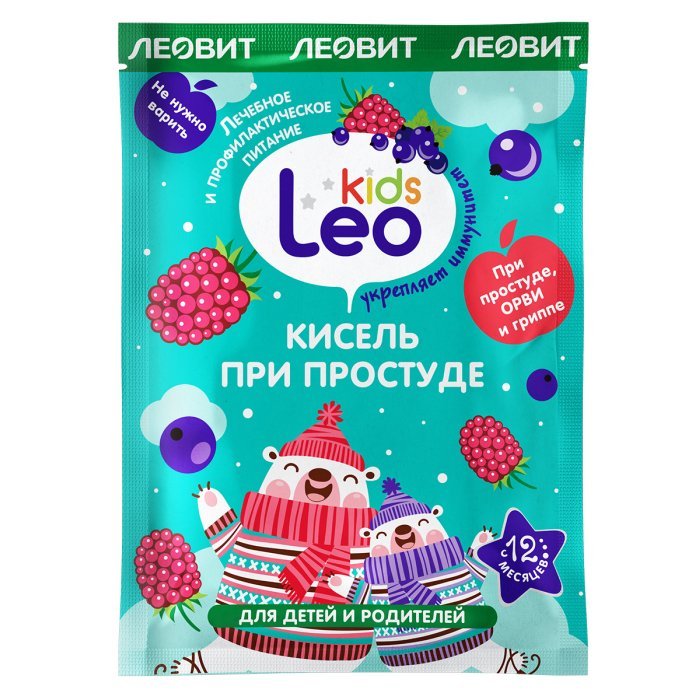

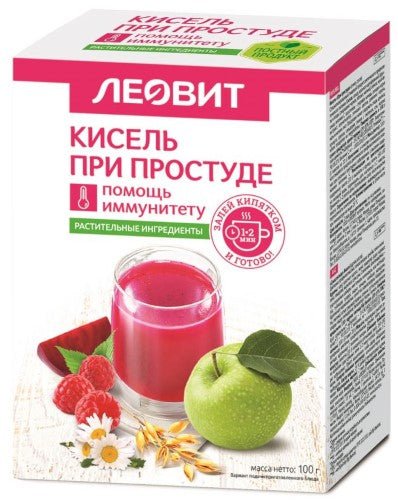
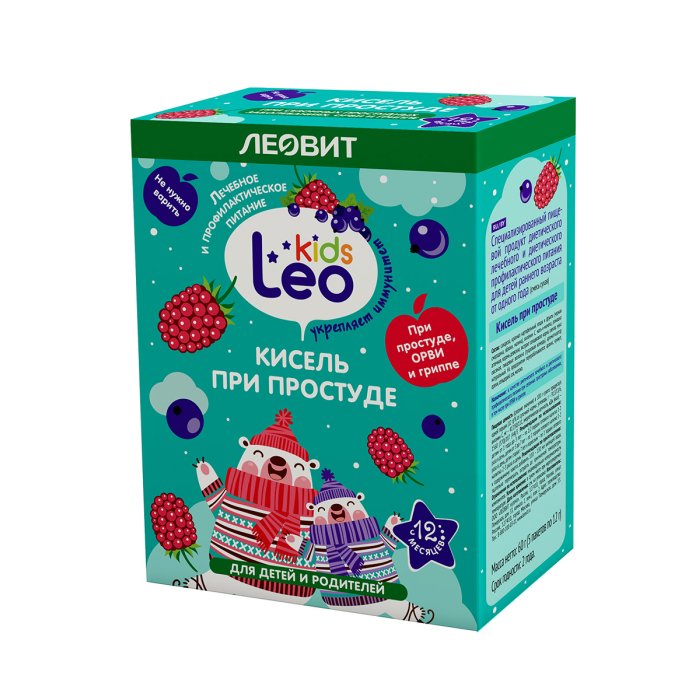




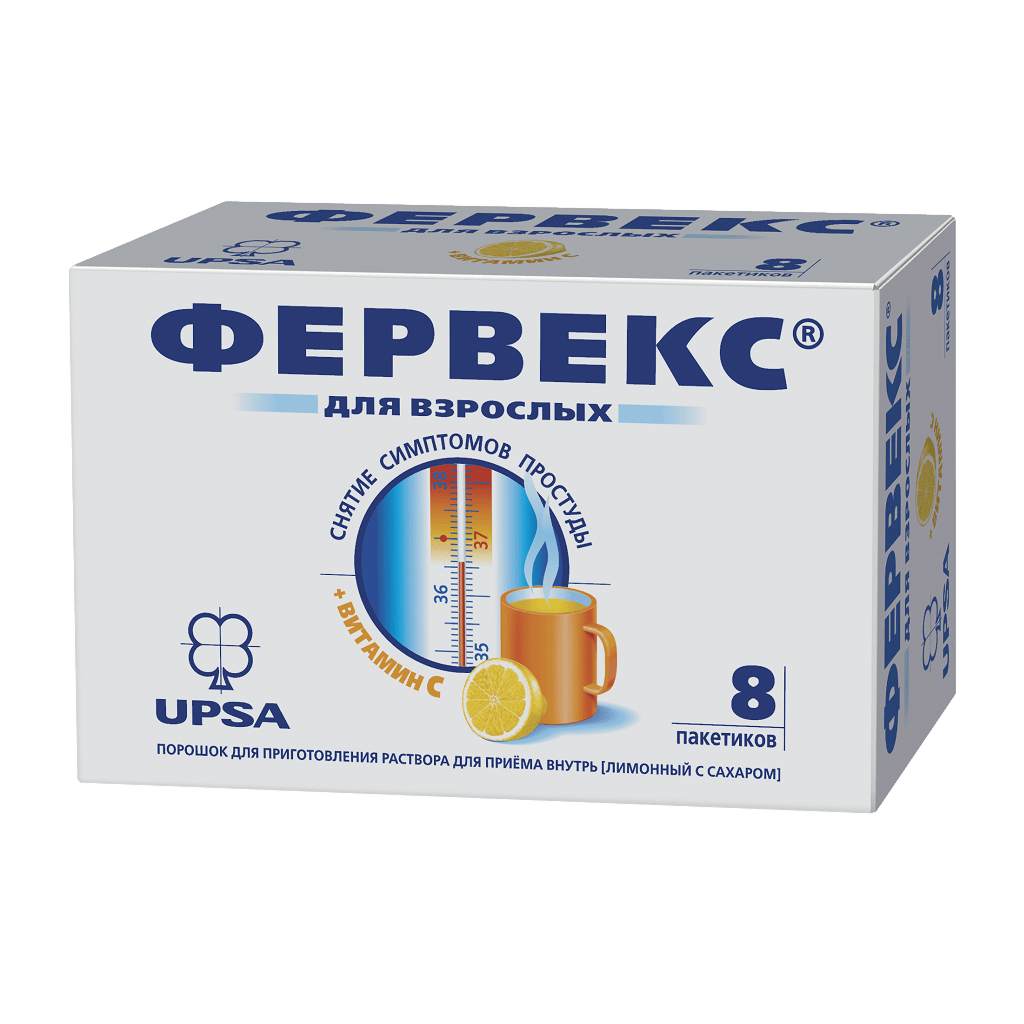

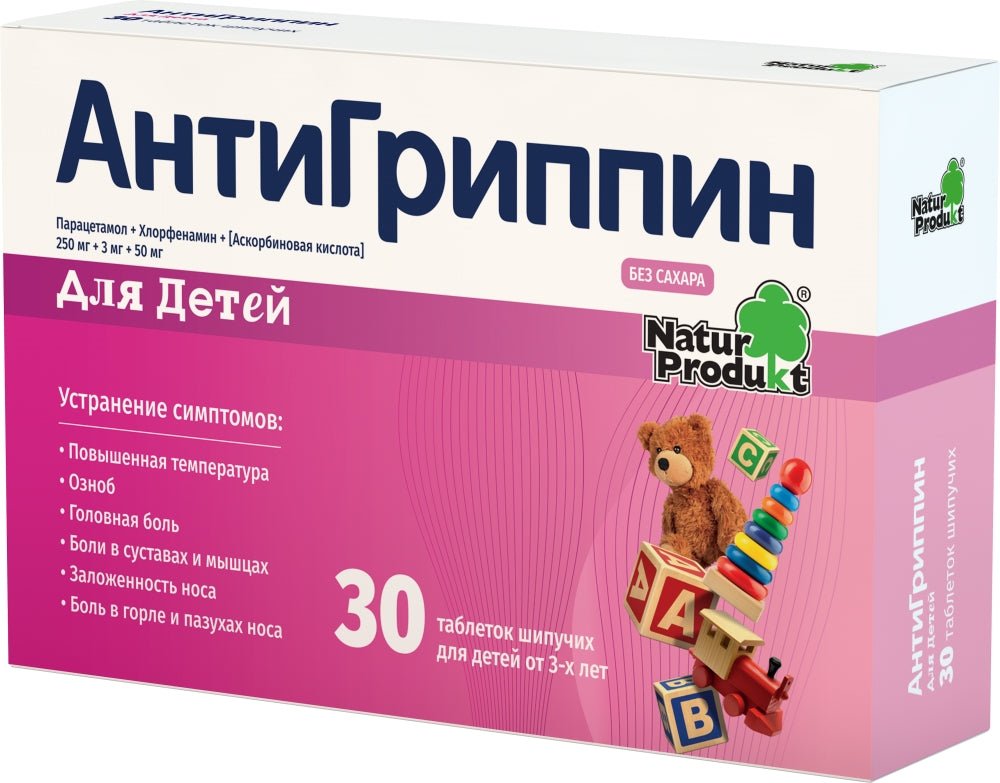


Cold-season illness is the kind of yearly story that pulls a household cabinet apart and puts it back together every fall. The category gathers very different items under one roof: temperature-easing options, comfort items for the throat and nose, products in the antiviral category, soothing syrups for the chest, sprays and drops for the nose, gargle rinses, vitamins and seasonal blends, and soft botanical mixes. On USA Apteka, the «cold-season picks» collection brings together familiar names from childhood: Theraflu, Coldrex, Antigrippin, Arbidol, Ingavirin, Viferon, Anaferon, Remantadin, Russian and Ukrainian versions of combination sachets, separate antiviral pieces, adult and children’s formats, plus neighbouring categories of throat sprays, nose drops, and soothing syrups for the chest. This article is about how to find your way around that big range without getting lost the moment a person feels the first scratch in the throat.
What the most effective cold-season item really means
Honest answer up front: there is no single best cold-and-flu item that fits every situation, and experienced general doctors do not even try to find one. Cold-season viruses are not a single condition but a wide family of different viral infections, and the same item that feels helpful to one person can feel mild to another or be the wrong fit altogether. The more useful question is shaped differently: which item fits better in a specific situation, at which stage of the illness, with which signs showing up, in a person of a given age and with a given background of health conditions. The answer to a narrow question is always sharper, and that is exactly why a real cold-season range carries dozens of different items rather than one universal piece.
On the practical side, the category usually splits into two larger groups:
- items aimed at the virus itself - the antiviral category, including pieces and capsules for systemic use, inhaled antiviral formats, and interferon-based items for local or whole-body use; they work when started in time and used for the right situation, and the choice belongs to a doctor who knows the type of virus and the broader picture of the patient;
- comfort-and-support items - they do not chase the virus directly but soften what is already there: high body temperature, blocked nose, sore throat, a chesty discomfort, body aches. These items make the illness easier to live through, allow the body to rest, and through rest help recovery move along, but they do not shorten the «length of the virus» on their own.
It is useful to keep a simple guide for telling a heavier seasonal virus apart from a milder cold. The heavier seasonal flu almost always starts sharply, within a few hours: temperature jumps to 38.5-39 and higher, real body aches appear, head feels heavy, sometimes the eyes feel sore, and the person can barely get out of bed. Nose and chest signs show up later, often on the second or third day. A regular cold develops softly: a small scratch in the throat first, a blocked nose by evening, light running nose the next day, and temperature staying around 37.2-37.8. Two very different stories, and two different home plans. With a clear heavier-flu picture, calling a doctor early is the right move; with a mild cold, a calm home set of items is usually enough. Self-diagnosis between the two by feel is often inaccurate, so when in doubt, a real conversation with a doctor settles it, especially when small children, older parents, or pregnant readers live under the same roof.
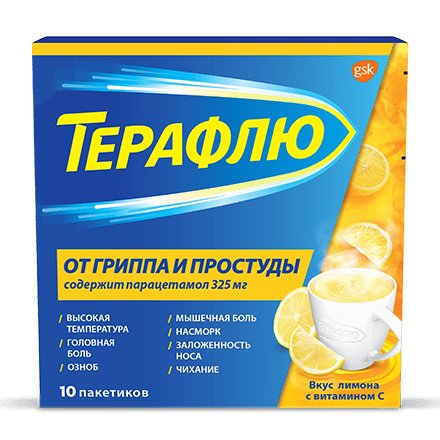
When people search for «the most effective cold item», what they usually want is the second group: something that will make the next twenty-four hours easier to live through. In that role, combination hot sachets and pieces that pair a temperature-easing component with a nose-relieving component and added vitamin C - Theraflu, Coldrex, Antigrippin, Fervex, and their analogues - usually come first to mind. They lower body temperature, ease the blocked nose, and add a mild tonic feel from hot liquid and ascorbic acid. This is the «one cup for everything» format for an adult with a moderate cold and no serious background conditions. For children, pregnant readers, and people with heart-and-vessel concerns, these combination sachets carry limits, and the leaflet is the first place to read carefully before opening the first packet.
When the picture looks like a heavier seasonal flu - sharp start, temperature above 38.5, body aches, real weakness from the first hours - the plan changes. The antiviral category comes to the front, and the decision belongs to a doctor rather than to self-selection. Among items found in CIS-region stores, this category includes Arbidol, Ingavirin, Tamiflu and several others, each with its own pattern of use and its own limits. «The most effective» pick against the heavier seasonal virus is not a single item but an early start of a well-chosen plan under a doctor’s guidance, ideally within the first 48 hours after the first signs appear. Home experiments with antiviral items without a doctor’s input during this window usually bring disappointment rather than benefit.
What helps a person recover faster
Recovery speed during a cold depends on much more than the item in hand. The three things that usually contribute most to the outcome are rest, generous warm fluids, and cool moist air in the room. These free and most underrated «cold-season helpers»: the body fights the virus with the resources it has, and when those resources are short - work on the feet, dehydration, dry overheated rooms - no item fully closes that gap. The first honest piece of advice sounds boring: lie down, lie down again, sip warm water or berry brew, open a window, let the room breathe.
Within the cold-season range, three groups of items join the race «to feel better sooner». The first is the antiviral category, designed specifically to shorten the length of the illness. This includes systemic anti-flu pieces and capsules, interferon-based local formats (such as nose drops and ointments built on interferon alpha, often chosen for adult and children’s seasonal viruses), and combination antiviral plans set by a doctor. Their effect is noticeably stronger with an early start, in the first day after the first signs appear. Two or three days into the illness their effect is already milder, and the decision to use them is always best made with a doctor rather than alone.
The second group includes items that support the body’s response and soften how the illness is felt. Vitamin C in sensible amounts, vitamin D in cases of confirmed shortfall, zinc in short courses by the leaflet, plant-based items built on echinacea and rose hip extracts, ready multivitamin packs for seasonal support. None of these «attacks the virus»; they help the body live through the illness with less strain, and in studies they shorten the length of a cold by a day or two on average when started early. Modest, real, and that is why this kind of seasonal pack quietly sells every fall. They are better picked up at the start of the season, not in the middle of an already heavy illness.
Vitamins and minerals in season
A specific note on vitamin C, zinc, and echinacea:
- vitamin C at 500-1000 mg a day does not lower the chance of catching a cold in a regular adult, but it shortens a cold’s length by a day or a day and a half in people who already take it daily before getting sick;
- zinc at 75-100 mg total per day, split into several lozenges, shortens a cold noticeably when started inside the first 24 hours after the first signs;
- standardized echinacea formats show a modest but real effect on both length and intensity of seasonal colds. None of these is a magic wand, and each one’s effect on its own is gentle; together, however, a sensibly built seasonal pack shifts the picture more than zero preparation does.
The third group is the comfort items that speed recovery indirectly, by letting the body rest. A good temperature-easing option returns the ability to sleep through the night; nose-clearing drops bring breathing back; a chest-soothing syrup buys the throat a break. Sleep during a cold matters more than it seems. Most of the body’s response work happens at night, and if the person is woken every hour by a blocked nose, scratchy throat, body ache, or high temperature, the days of recovery stretch out. A careful use of comfort items across the first two or three nights of the illness often contributes more to the speed of recovery than any current trendy item from the antiviral category.
The main kinds of cold-and-flu items
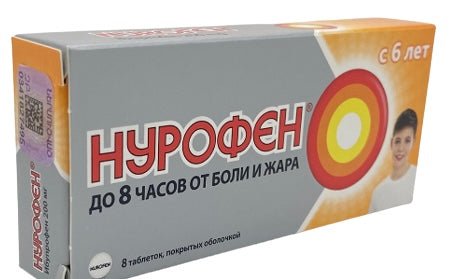
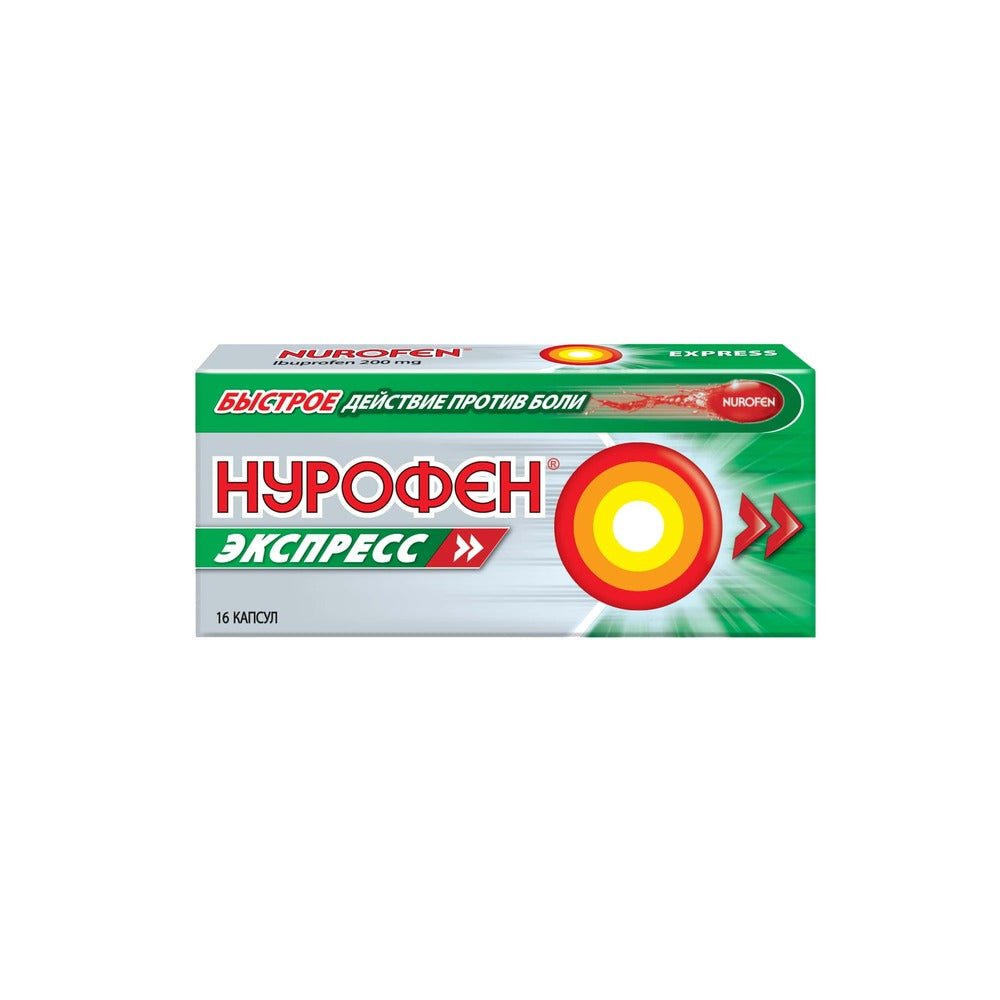
When a customer walks in asking for cold-and-flu picks, a good range shows several categories at once, and there is a reason for that: each one carries its own job. Temperature-easing pieces built on paracetamol or ibuprofen are the first line for high temperature, body aches, and head heaviness. Adult doses follow the leaflet, separate children’s formats exist for children, and combination hot sachets bundle the same active component with several others. Paracetamol’s safety profile at sensible doses stays good; ibuprofen brings an extra calming-of-inflammation effect, useful when body aches are heavy. The daily limit must not be crossed, and two items with the same active component should never run side by side, to avoid an accidental double dose through a combination sachet.
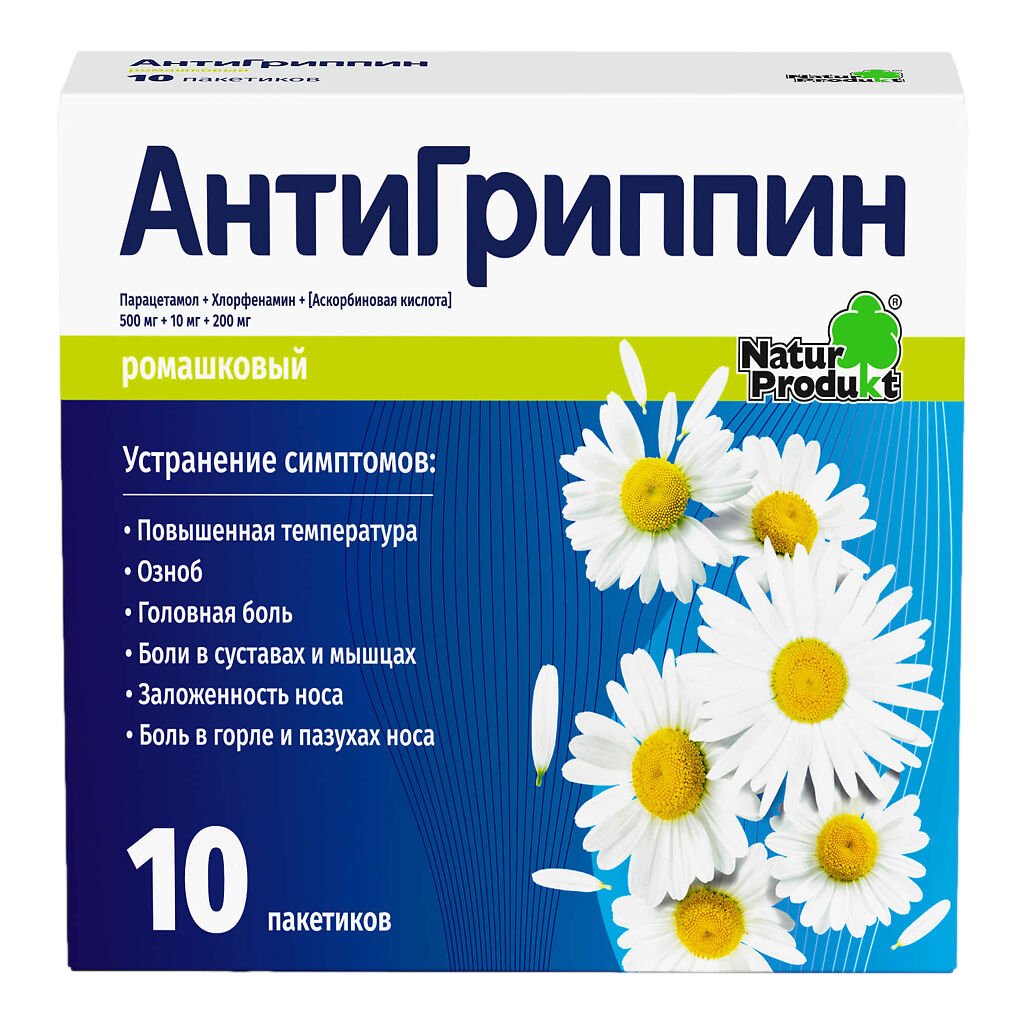
Combination pieces and hot sachets are the second big group. Theraflu, Coldrex, Antigrippin, Fervex, and their analogues usually mix paracetamol, a vessel-narrowing component for nose comfort, an antihistamine-style component to soften nose running, and vitamin C. A practical «everything in one cup» for an adult with no serious background concerns. They carry limits: in serious blood-pressure conditions, in fast heart rhythm, the vessel-narrowing component can push pressure up and speed the heart further. If a cold layers extra «pressure in the chest», a pounding heartbeat, or breathlessness on the stairs, a short conversation with a doctor is the right next step before adding another sachet. Some long-time customers keep a small piece called Validol on hand for soft, situational support during such moments, with full awareness that its role is small and that real heart-related signs need real evaluation.
The antiviral category is narrower and more specific. Here belong items aimed at the virus directly: Arbidol, Ingavirin, Ergoferon, Anaferon, and in heavier cases by a doctor’s choice, Tamiflu and its analogues. The strength of action in much of this category is actively discussed in international literature, and there is no global consensus on how much each item changes the picture. What is clear: an early start carries the most weight. If the decision has been made to take an antiviral piece, the first hours or day of the illness is when it matters most, and the leaflet’s dose is the firm guide. Reaching for an antiviral by reflex during every minor cold «just in case» is not a wise pattern: in a mild seasonal virus the gain is small, and the cost stacks up.
A few words about vessel-narrowing nose drops, which sit alongside cold-and-flu pieces and deserve their own paragraph. Xylometazoline, oxymetazoline, naphazoline - familiar names from childhood, and when used by the leaflet they bring nose breathing back quickly. The main risk in this category is dependence: used longer than five to seven days in a row, the nose lining «forgets» how to work without the drops, and a rebound state appears that takes effort to step out of. The golden rule of these drops is simple: not longer than five days, not more often than the leaflet allows, and a salt-water rinse alongside to keep the lining moist. For children, dedicated lower-concentration formats are used, and the rules around the course are stricter.
Beyond systemic pieces, the range includes separate local formats:
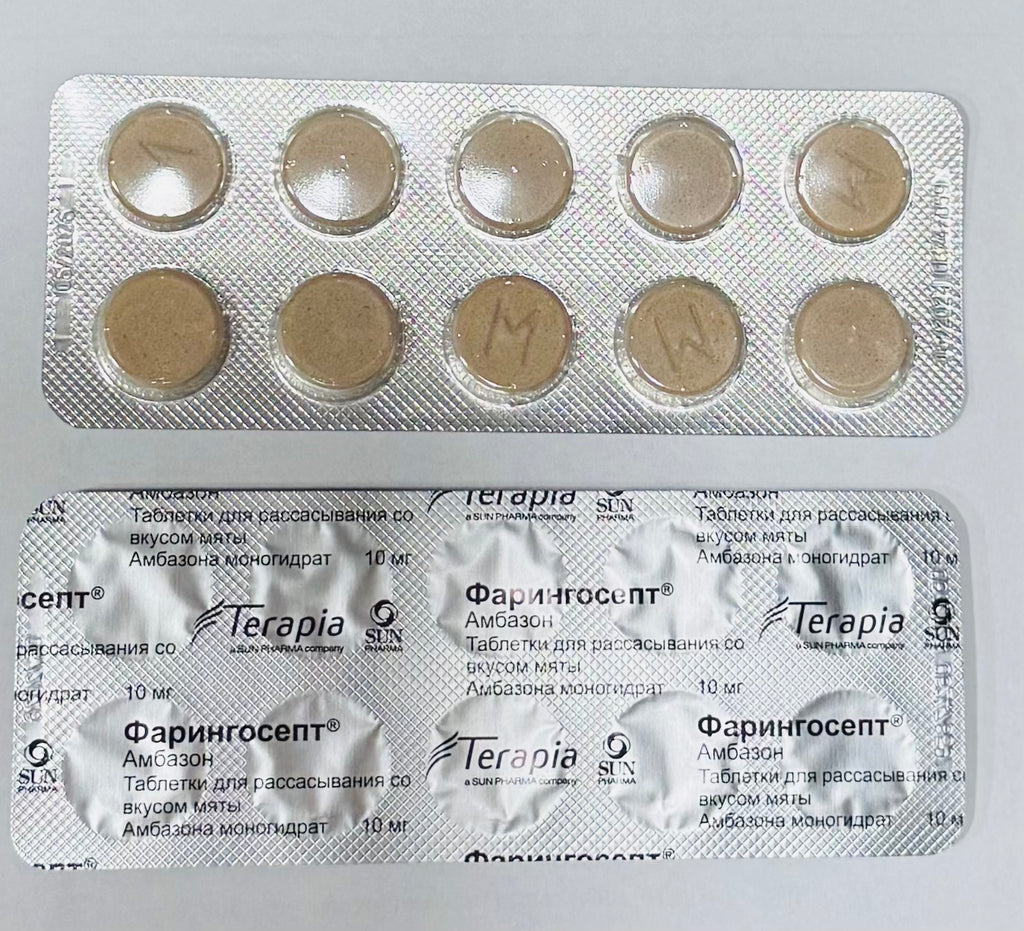
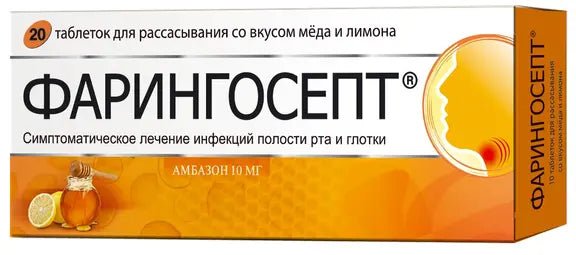
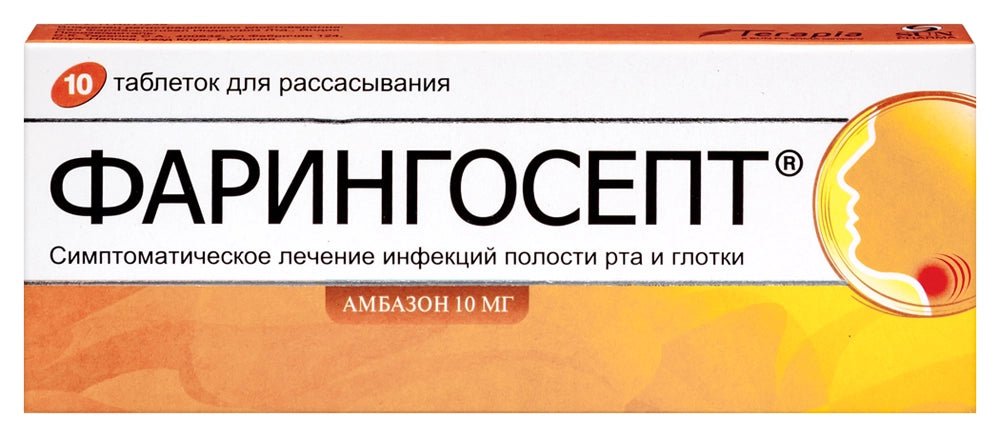
- soothing lozenges for the throat (Strepsils, Faringosept, Lizobakt, Hexoral-Tabs) - local action on the throat lining with no whole-body effect, for a scratch or light soreness in the throat;
- throat sprays (Strepsils spray, Hexoral spray, Tantum Verde) - they travel better in a pocket and into an office bag;
- throat-clearing helpers for a chesty stage (Bromhexine, Ambroxol, Mukaltin, and newer formats). Their choice depends on the type of chest stage, and that question is worth asking either in the store chat or directly to a doctor, because a chest-stage helper aimed at a different stage tends to make things noisier rather than easier.
What helps at the very first signs of a cold
An effective cold-season item at the first signs of a cold is rarely a single standout product; it is the smart use of the very first hours plus a small set of basics. «At the first signs» is a small golden window, and inside it the most useful moves are simple and free:
- warm generous fluids (berry brews, warm water with lemon, soft botanical blends);
- no heavy food;
- early to bed and a pre-warmed bed;
- a warm shower;
- a cool moist room.
Across a couple of hours, these moves lower the viral load and let the body answer the illness sooner and calmer than if a person keeps working «through the wall». The most effective item in this moment is not a single product; it is a properly used evening.
From the cabinet, the items worth adding to those first hours are local interferon-based drops, paired immediately with a regular salt-water nose rinse. Together they lower the amount of virus on the nose lining, keep the lining moist, and make breathing easier. For children, a gentle plan works well in this window: salt-water rinse, generous fluids, an open window for air exchange, and a children’s interferon format if a doctor recommends it. For adults, the same list is joined by inhalations with saline through a nebulizer, warm foot baths when no temperature is yet present, and soft tonic warm drinks based on rose hips or ginger.
Inhalations are an old home tool for an early cold, and in a modern apartment a nebulizer with saline is the easier way to do them. Saline moistens the airway lining, loosens early mucus, makes its clearing easier, and softens the first day or two of illness. The old kitchen-style inhalation «over a hot pot» works in principle but is less predictable and not safe for children or for pregnant readers. Eucalyptus, pine, and fir essential oils in an aroma lamp create a quiet environment, but they do not replace either a humidifier in the room or a real saline session through a nebulizer. A warm bath or sauna is fine when no temperature is up; once temperature rises, both are paused until the body recovers.
A very common mistake is reaching for a hot sachet «for all signs at once» at the very first light moments. In those first hours there is usually no real temperature, no real nose block, no real body ache, and using a combination piece with paracetamol, a vessel-narrowing component, and an antihistamine-style ingredient «just in case» makes little sense. It does not speed anything up, it only adds load to the liver and vessels. The cleaner pattern is to start with the obvious moves and to add comfort pieces only when there is a real reason in front of you.
Children’s first signs of a cold often look different from adult ones. A child grows fussy, stops eating well, sleeps badly at night, and sometimes complains «throat hurts» before any chest stage or running nose has arrived. In younger school-age children the temperature can jump quickly - and drop just as quickly after the first dose of a temperature-easing format. This is a normal picture for children’s seasonal viruses, and what matters is not «taking down every degree» but watching the child’s overall state. A child at 38.5 who is playing softly and drinking water is doing fine on patience and fluids. A child who is pale, refuses to drink, responds poorly to voice - that is the time for a temperature-easing dose and for a real conversation with a children’s doctor.
At the first signs, sleep often suffers as well: shivers, a blocked nose, restlessness builds. To let the first night be calm, it helps to set the room in advance (cool, moist, dim), drink something warm, use a salt-water rinse if needed, and add a light temperature-easing piece only if the high temperature itself is blocking sleep. Some long-time customers, on the stressful first day of an illness, gently add a soft botanical calming blend to keep the racing thoughts from blocking sleep. A calm, workable move for readers who tend to «wind themselves up» during the first hours of feeling unwell; the decision, as always, stays with the person and the treating doctor.
How to pick the right cold-season item for adults and children
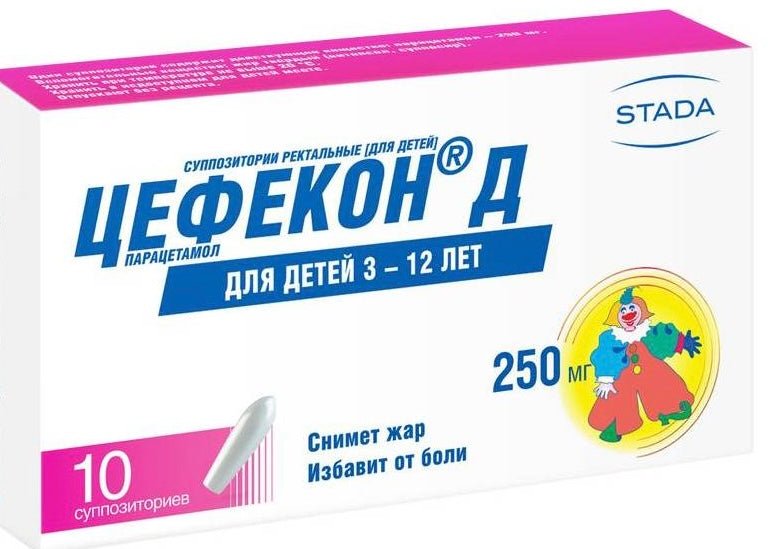
The main rule of picking is the age and the state of the person. Items «for the whole family in one pack» are rare in real practice, and that is the right pattern: what fits an adult can be off limits for a child, and the other way around. For children, separate doses and separate formats exist - syrups, drops, rectal pieces, dedicated children’s sachets with a lower paracetamol dose. Never split an adult piece for a child by eye: doses are calculated by weight and age, and a children’s leaflet exists exactly so that adults read it before opening the box.
Pregnant readers and nursing mothers form a separate category in which most usual adult items are either off limits or only allowed by a doctor’s decision. Paracetamol in a moderate dose is one of the safer picks for temperature easing in pregnancy; ibuprofen is limited in the second half of pregnancy; systemic vessel-narrowing nose options inside hot sachets are usually avoided. Every «can or can not» question during pregnancy belongs to the doctor following the pregnancy, and decisions «by analogy with a friend» do not work here.
Older customers and people with long-running health conditions pick cold-season items with their background care in mind. With long-standing blood-pressure care, combination sachets with a vessel-narrowing component are limited; with liver or kidney conditions, certain temperature-easing options are limited; with diabetes, sugar content in syrups and sachets is worth checking. In this group, background care is much heavier than in a younger healthy person, and a habit of «grabbing the usual Theraflu» can cross the background plan in an unwanted way. So in long-running conditions, the choice of a cold-season item is always a short conversation with a doctor or with a knowledgeable team member, not a general piece of online advice.
Illness does not always allow sleep, and in older readers the rhythm of nights often shifts during a cold, with restlessness and worry at the end of the day. Soft botanical calming items in standard doses for a short stretch can support sleep through the heavier evenings, without reaching for stronger sleep-time formats. A small supporting role inside a bigger picture, not a «cold-season item» in itself. The choice to use them stays with a doctor, especially when other long-running care is already in place.
Seasonal prevention is also a part of the «cold-season set». Regular walks, indoor air humidified through the heating season, careful hand hygiene, breaking the habit of touching the face with unwashed hands, decent sleep, the seasonal flu vaccination on a doctor’s advice - none of these come out of a packet, but in real statistics they bring the number of colds in a winter down. Seasonal vitamins and minerals join this picture but do not replace it. Households that keep the basics in place usually fall ill less often and live through the few episodes that do happen more calmly. The cabinet in that case is the reserve for a specific moment, not the foundation of daily protection.
The smallest sensible kit
And one more pattern: «the smallest sensible kit». A well-built home cabinet for the cold season does not need five different antiviral items and three different hot sachets at the same time. A small set is usually enough to live through a light seasonal cold without a clinic visit:
- one or two reliable temperature-easing pieces;
- one combination sachet for the «really feeling bad» evening;
- a salt-water rinse for the nose;
- a simple throat option (lozenges or spray);
- a chest-stage syrup for a chesty week;
- a vitamin C pack. Everything beyond that circle - systemic antiviral pieces, immune-supporting plans, doctor-only items - is decided with a doctor, by indication.
A short practical FAQ:
- Can paracetamol and ibuprofen be paired in one day? Yes, in an alternating pattern when the temperature is high, but not in the same dose at the same time, and with the daily limits of each kept in mind.
- Can a hot sachet and a separate temperature-easing piece run together? Only if the sachet does not already contain the same active component, to avoid an accidental double dose of paracetamol.
- How many days does an antiviral course usually run? The course is set by the leaflet and the doctor, usually a short one in the range of five to seven days.
- When is a doctor’s call a must? With a temperature above 39 lasting more than two or three days, with difficulty breathing, with marked weakness or fainting, with a rash, with a strong head-and-neck stiffness.
- Can a person go into the office on a hot sachet? Better to stay home, for the customer’s own sake and for the coworkers as well.
Where to find cold-season items
The cold-season collection on USA Apteka brings a wide range together:
- combination sachets (Theraflu, Coldrex, Antigrippin, Fervex);
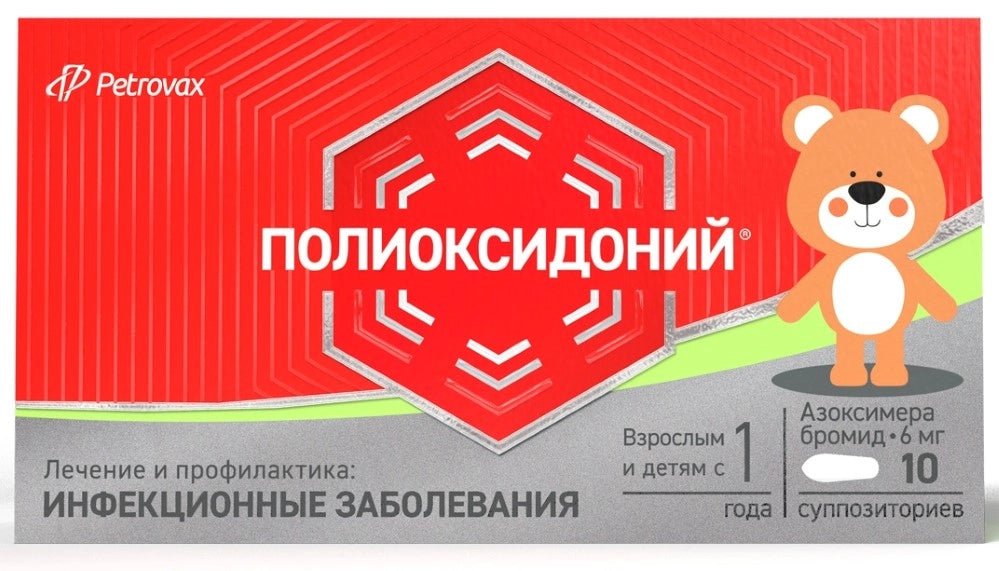
- antiviral pieces (Arbidol, Ingavirin, Ergoferon, Anaferon, Viferon);
- temperature-easing pieces and syrups for adults and for children;
- throat sprays and lozenges, nose drops and sprays;
- chest-stage syrups and pieces;
- salt-water rinses for the nose;
- vitamin and mineral packs for seasonal support.
Most positions come in several pack sizes, in adult and children’s doses. Every item ships in the original factory pack from European and CIS-region producers.
A specific note on the «weekend pack» - small bundles that long-time customers order ahead of the season: a temperature-easing option, a chest-stage syrup, a throat spray, a salt-water rinse, a pack of vitamin C. Such a bundle does not solve a real illness on its own, but on a Saturday evening when the first signs arrive, having the cabinet ready makes the first day much easier. Many long-time clients keep a «winter reserve» of five to seven key positions and refresh it once a year, before the cold-season starts. A calm and familiar pattern for households that like to be ready before the season, with the familiar names ordered ahead by shipping.
Orders are placed online through the site, with shipping inside the United States and to international destinations. Free shipping inside the United States applies above the threshold shown on the cart page. The support team replies through chat and on WhatsApp during US East Coast working hours: confirms a specific pack is in stock, helps with a close alternative when an item is briefly out, double-checks the expiration date of a particular batch before a shipment goes out. Customers benefit from a loyalty program with points on repeat orders and seasonal sales during the high cold-season.
What arrives in the box. Every item comes in the original factory pack with the producer’s leaflet in Russian and, for many positions, in several languages, the blister or bottle, the cardboard outer with the batch and expiration date. Storage follows the leaflet, in a dry, cool place, out of direct sunlight; for most pieces and sachets a regular home cabinet works, and for syrups and drops a closed cupboard away from heat is the right spot. Some items, especially interferon formats and certain rectal pieces, are kept in the fridge - the box always says so, and the team accounts for that in shipping with appropriate insulation. When a delivery includes cold-storage items, picking it up on the same day and moving the items into the fridge straight away keeps everything in good condition.
A «cold-season item» is not a single product but a whole pattern of choices, and putting that pattern together becomes easier when the search starts not from the word «best» but from the actual situation: what stage the illness is at, which signs are loud, whether age limits apply, whether a long-running condition is in the background. USA Apteka brings a wide range of familiar names, so a household can cover the cold season with the products it already knows; when in doubt about a choice, a short conversation with a doctor or a knowledgeable team member is always wiser than a home experiment with strong antiviral pieces that may simply not fit a particular case. And one more rule, tested by many generations: lie down on time, drink on time, open the window on time, and the weight of any single piece in the overall story of the illness turns out to be smaller than the weight of the first night spent the right way.
Please Chat with us or send us a message on WhatsApp