



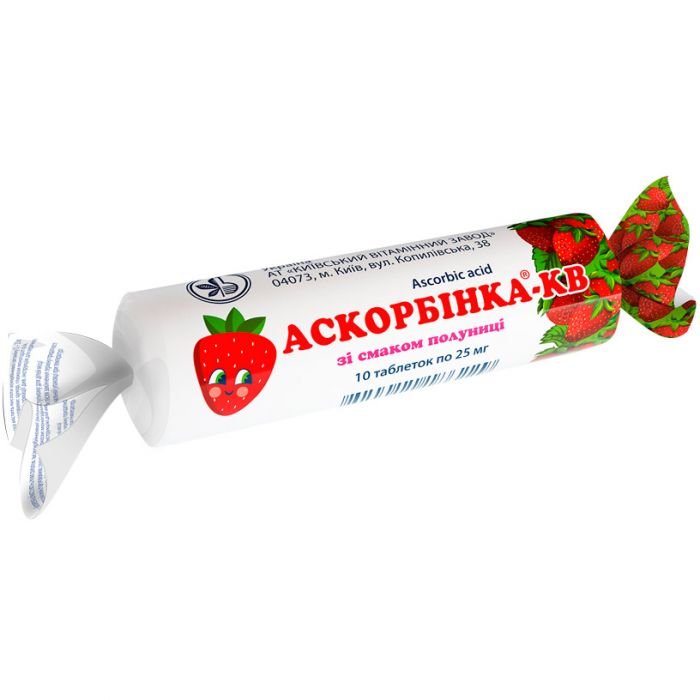


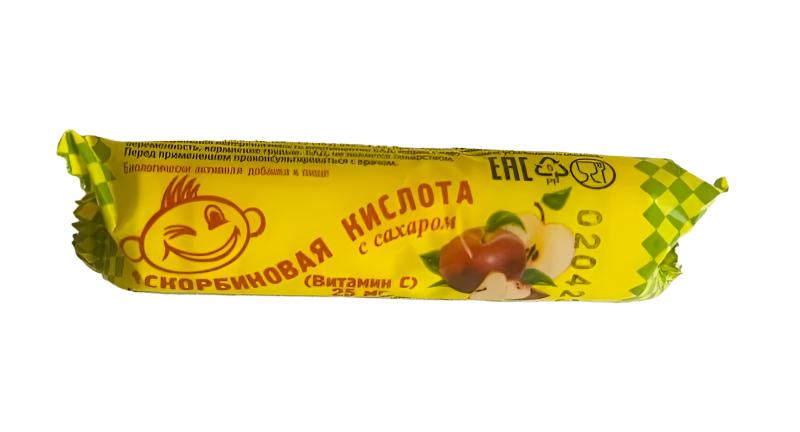
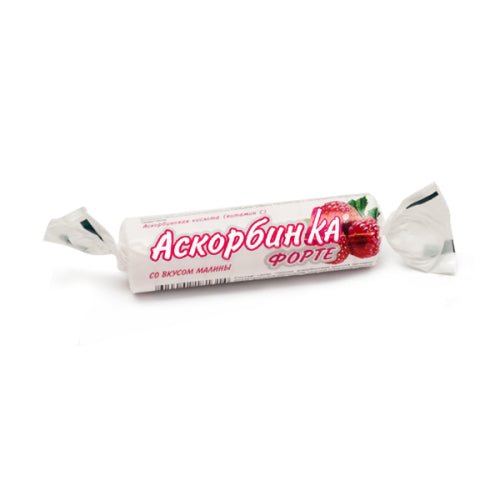

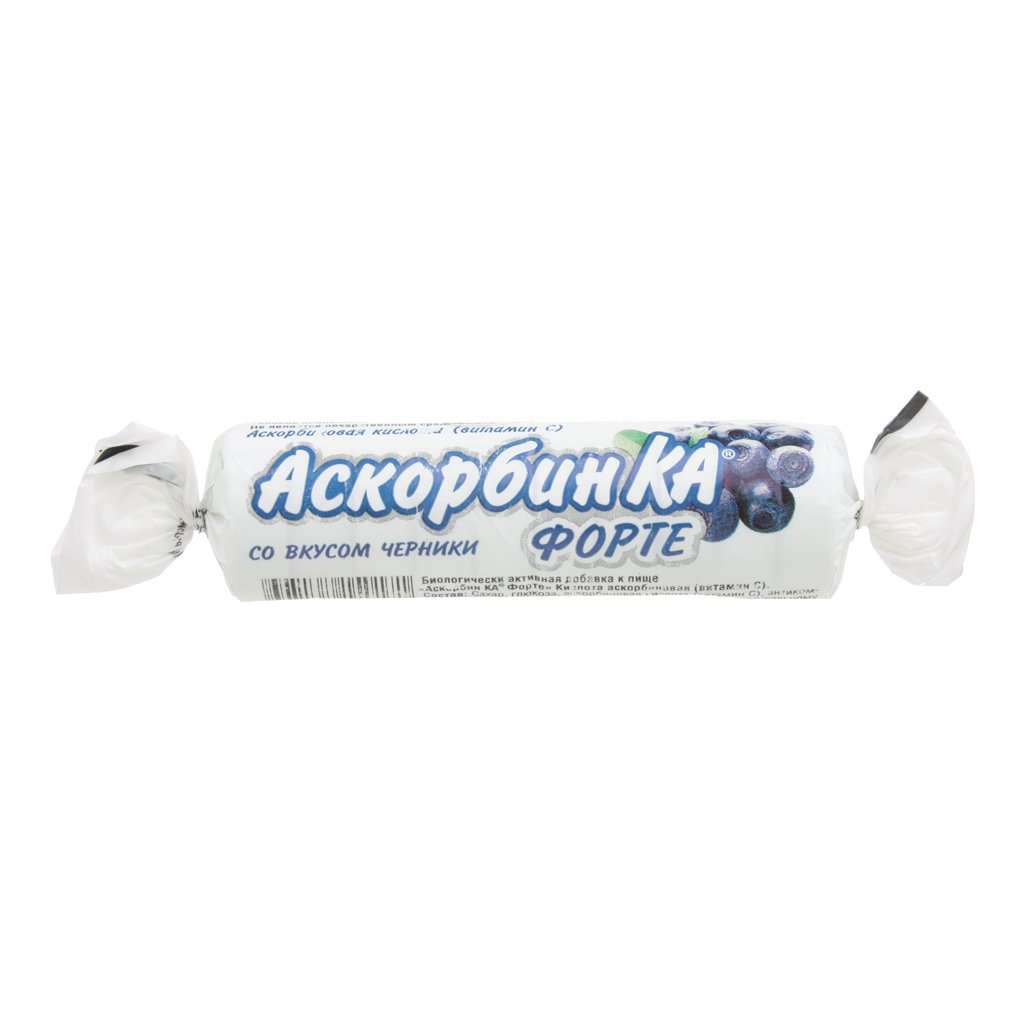

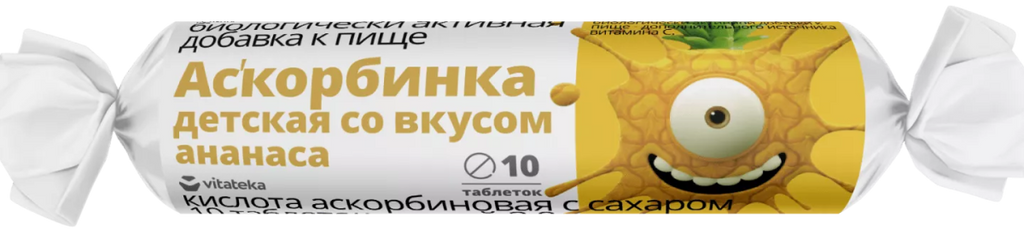
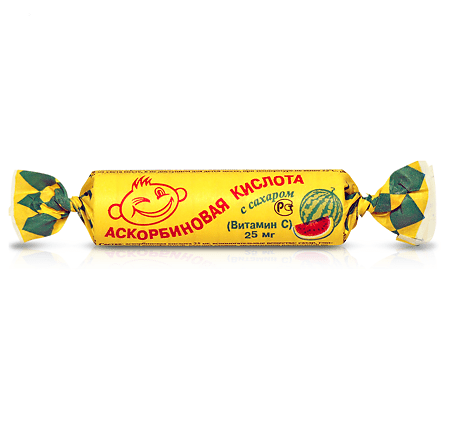

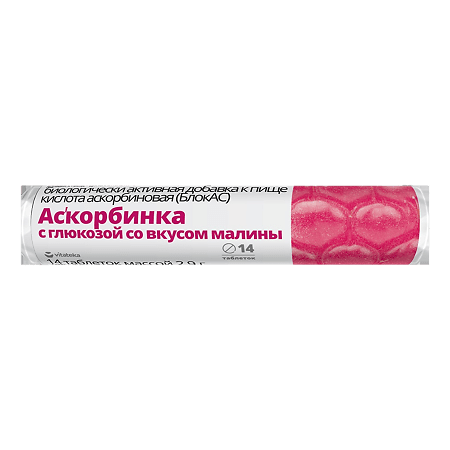


Ascorbic acid, better known as vitamin C, is one of the most familiar names in any home kit, recognized by the little yellow dragees and the tart, slightly sour taste people remember from childhood. It is a water-soluble vitamin that the body neither stores for long nor makes on its own, so it comes from food and from supplements through the year. It takes part in building collagen, works as an antioxidant, helps the body take up iron, and is part of the normal working of the immune system. On USA Apteka it comes in several formats, the classic dragees, pieces, effervescent tablets, and powder, in the original packaging of European and CIS-region producers, so a returning buyer finds a familiar name.
This page is a plain-language guide, not a personal recommendation. Vitamin C is an everyday supplement rather than a fix for an illness, and the honest framing is that it supports the body’s own work rather than doing anything dramatic on its own. The aim here is to explain what it is, what it is taken for, how much makes sense, and where the cautions are.
Vitamin C and ascorbic acid: the difference
A very common question is the difference between vitamin C and ascorbic acid, and the short, honest answer is that they are two names for the same thing. There is no hidden gap between them.
A quick way to hold it:
- vitamin C is the nutrient name, the role the substance plays in the body;
- ascorbic acid is its chemical name, the molecule itself;
- whether it comes from an orange, a rosehip, or a factory-made dragee, the molecule the body uses is identical;
- a label that says natural and one that says synthetic are describing the source, not a different vitamin.
So when people compare vitamin C with ascorbic acid, they are really comparing two words for one molecule. The practical differences in a shop are about the source, the format, the dose, and any added extras like rosehip or bioflavonoids, not about one being a truer vitamin C than the other.
What ascorbic acid is taken for
People take ascorbic acid for a handful of well-known, everyday roles rather than as a treatment for any one condition. Its honest place is as a supportive nutrient.
The familiar reasons:
- as part of the normal working of the immune system, a classic reason people reach for it in the cold months;
- for its role in building collagen, which matters for skin, blood vessels, and gums;
- as an antioxidant that takes part in protecting the body’s cells;
- to help the body absorb iron from food, which is why it is often paired with iron-rich meals;
- as a simple, familiar top-up when a varied diet is harder to keep, for example through a busy or unwell stretch.
It is worth being plain about what vitamin C is not. It is not a cure for a cold and not a switch that boosts anything overnight; it is a nutrient the body needs and uses steadily. In everyday life people keep it under short names too, and in shops it sometimes shows up simply as ascorbin, the same ascorbic acid in a familiar tube.
Vitamin C from food and from a supplement
Most people get a good share of their vitamin C from food, and a supplement simply fills the gaps rather than replacing a plate.
Where it comes from:
- citrus fruit, berries, kiwi, and rosehip are classic, vitamin-C-rich foods;
- peppers, broccoli, cabbage, and many fresh greens carry a useful amount too;
- because it is sensitive to heat and long storage, some is lost in cooking and over time, which is where a supplement helps;
- through winter, travel, or a stretch of plainer eating, a small daily top-up is a sensible bridge.
So the honest order is food first, supplement second, with the dragee or tablet covering the seasons and situations when fresh, varied food is harder to keep up. A supplement is a backup for a varied plate, not a substitute for one.
Forms of ascorbic acid: dragees, pieces, and more
Ascorbic acid comes in several friendly formats, and the choice among them is mostly about taste, dose, and habit rather than about one working better than another.
A quick guide:
- the classic ascorbic acid dragees are the small, round, tart pieces many people remember, easy to carry and to share;
- ascorbic acid pieces and chewables are a simple, measured everyday format;
- effervescent tablets dissolve in a glass of water for those who prefer a drink, often in larger single doses;
- powder lets the dose be measured out and stirred into water.
Whichever format you pick, the leaflet or label sets the amount per piece and the daily guidance, and it is worth a read, since formats differ widely in how much vitamin C they carry. A small daily dragee and a large effervescent tablet are not the same size of dose at all.
How much vitamin C is needed and how to take it
A fair question is how much vitamin C makes sense, and the honest answer is that the everyday need is modest, with more not automatically better.
A few sensible points:
- the daily need for an adult is in the range of tens of milligrams, easily covered by a varied diet plus a small supplement;
- because it is water-soluble, the body uses what it needs and passes much of a large excess, so very high doses mostly make for expensive output rather than extra benefit;
- it is gentler on the stomach taken with or after food, since it is an acid and can nip an empty, sensitive stomach;
- a steady, modest daily amount suits the body better than an occasional mega-dose;
- water helps, both to dissolve effervescent forms and to ease very high amounts through the kidneys.
So the practical approach is a modest, steady amount, ideally with food, rather than chasing the biggest number on the box. If a specific high-dose plan is on the table, that is a conversation for a doctor, especially alongside other conditions.
Who should be careful with ascorbic acid
Vitamin C is a familiar, everyday supplement, but high doses in particular have a few clear cautions worth knowing.
It is approached with care:
- by anyone prone to certain kidney stones, since large doses can add to the load;
- with iron-overload conditions, since vitamin C increases iron uptake;
- with a known metabolic condition affecting red blood cells, where high doses are not advised;
- with a sensitive stomach, an ulcer, or gastritis, where the acidity is gentler taken after food and in modest amounts;
- around blood-sugar testing, since very high doses can skew some readings, which matters for people managing diabetes.
A small daily amount is well tolerated by most people, and the cautions above mostly concern large or long high-dose courses. If any of these apply, or another regular plan is running, the amount and the need are worth checking with a doctor rather than guessed.
Vitamin C in the cold season
Vitamin C is most associated with the cold months, and it is worth being honest about its role there. It is a supportive nutrient, not an antiviral and not a cure for a cold.
A calm way to see it:
- it takes part in the normal working of the immune system, which is the steady, background role, not an overnight boost;
- some people keep up a modest daily amount through the season as general support, alongside sleep, food, and sensible habits;
- a throat or a cold itself is a separate matter, soothed and managed with its own items;
- when someone chooses seasonal antiviral support, that is aimed at the viral side and is a different tool from a vitamin.
In other words, vitamin C sits in the background as steady support, while the cold itself, and any antiviral choice, belong to their own categories and, where it matters, to a doctor’s view. Stacking high-dose vitamin C on top of everything else rarely adds what people hope, and a sensible daily amount is the calmer path.
A few facts about vitamin C
A few details help place this familiar supplement.
Worth knowing:
- vitamin C and ascorbic acid are two names for the same molecule;
- it is water-soluble, so the body does not store it for long and a varied intake matters;
- the body cannot make its own, unlike many animals, which is why diet and supplements fill the gap;
- it comes as dragees, pieces, chewables, effervescent tablets, and powder, in a wide range of doses;
- the date and storage terms are printed on the pack.
Common questions about vitamin C
A few questions come up again and again, and short, honest answers help.
Quick answers:
- what is it for, a supportive nutrient for the immune system, collagen, antioxidant defense, and iron uptake, not a cure for a cold;
- is vitamin C different from ascorbic acid, no, they are two names for the same molecule;
- is more better, no, the body passes much of a large excess, so a modest steady amount is the sensible path;
- when is the best time, with or after food, which is gentler on the stomach;
- who should be careful, anyone prone to certain kidney stones, with iron overload, with a sensitive stomach, or managing diabetes, ideally with a doctor;
- can children take it, yes in child-appropriate amounts and formats, with a doctor’s word for the very young.
If a question is not answered here, the support team is glad to point to the right part of the section, while the personal decision stays with you and your doctor.
Where to find vitamin C
Vitamin C is available to order from USA Apteka with delivery across the United States and abroad, as classic dragees, pieces, effervescent tablets, and powder, in the original packaging of European and CIS-region producers. Delivery within US is free over $69, and the support team is glad to help by chat or WhatsApp with a format or a stock check; regular customers have a bonus program and seasonal offers.
Storage is simple, a dry place out of direct sunlight, with the pack closed, and the date on the box. And the sensible rule for vitamin C is a modest, steady daily amount with food rather than the biggest dose on the box, with a doctor’s word for any high-dose plan or alongside other conditions. Take care of yourself, and let vitamin C play its quiet, supporting part across the year.
Please Chat with us or send us a message on WhatsApp