



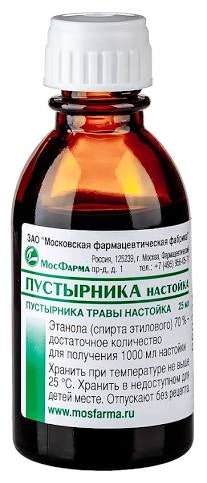
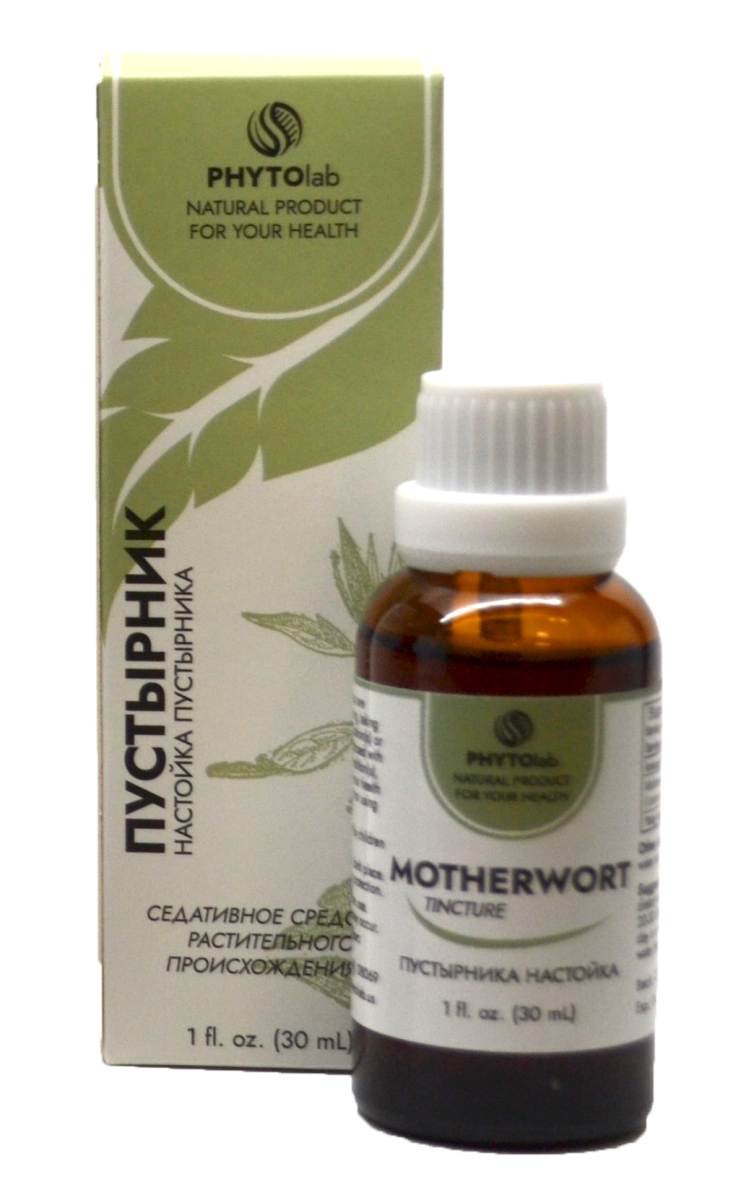

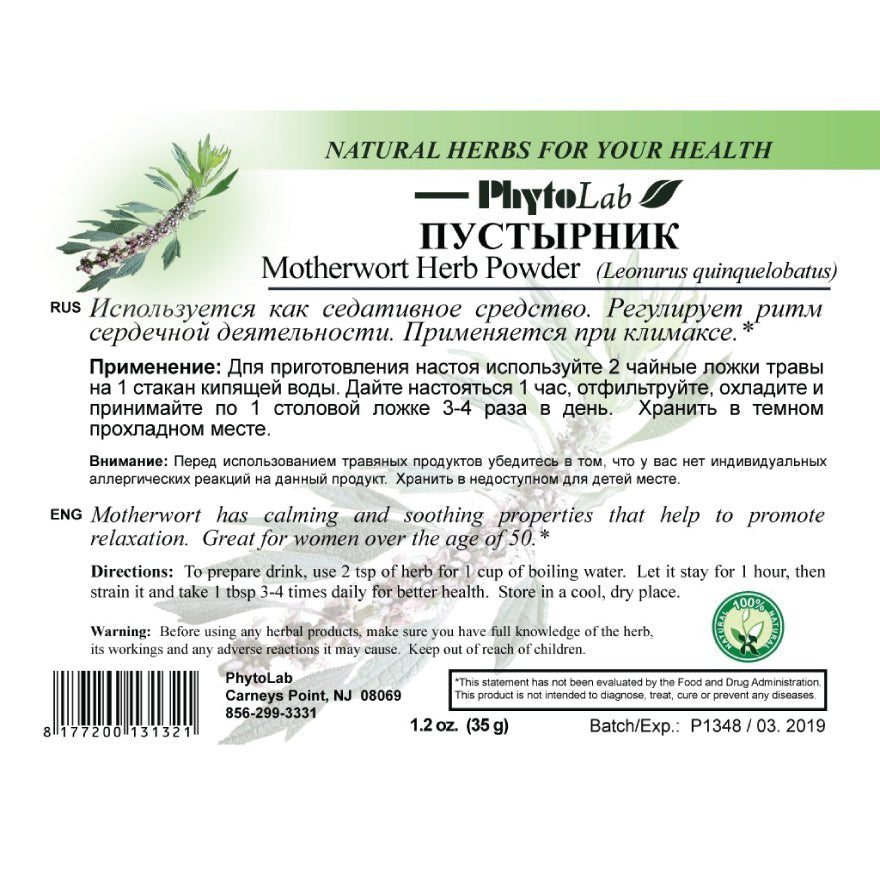


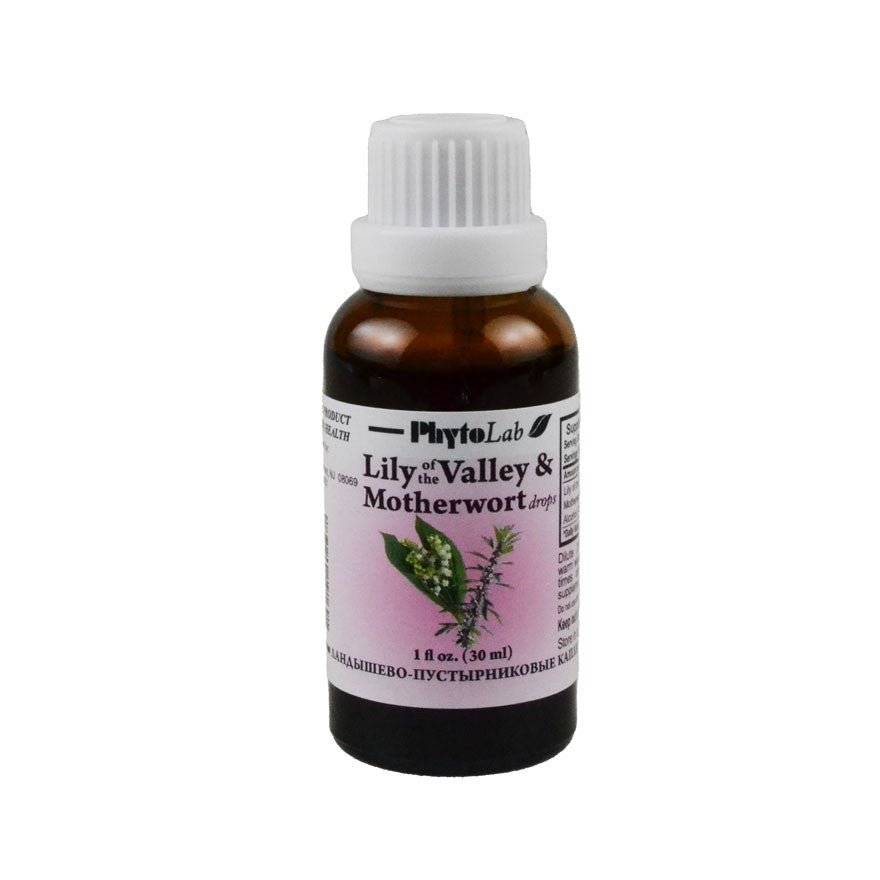


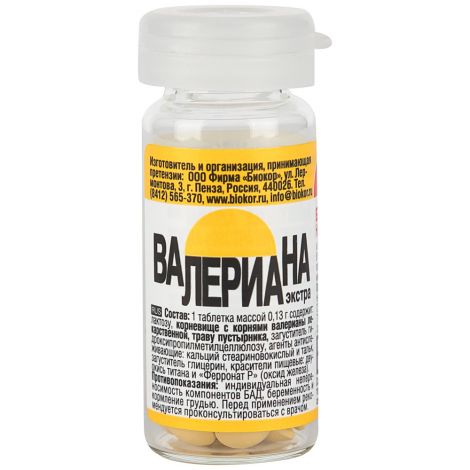
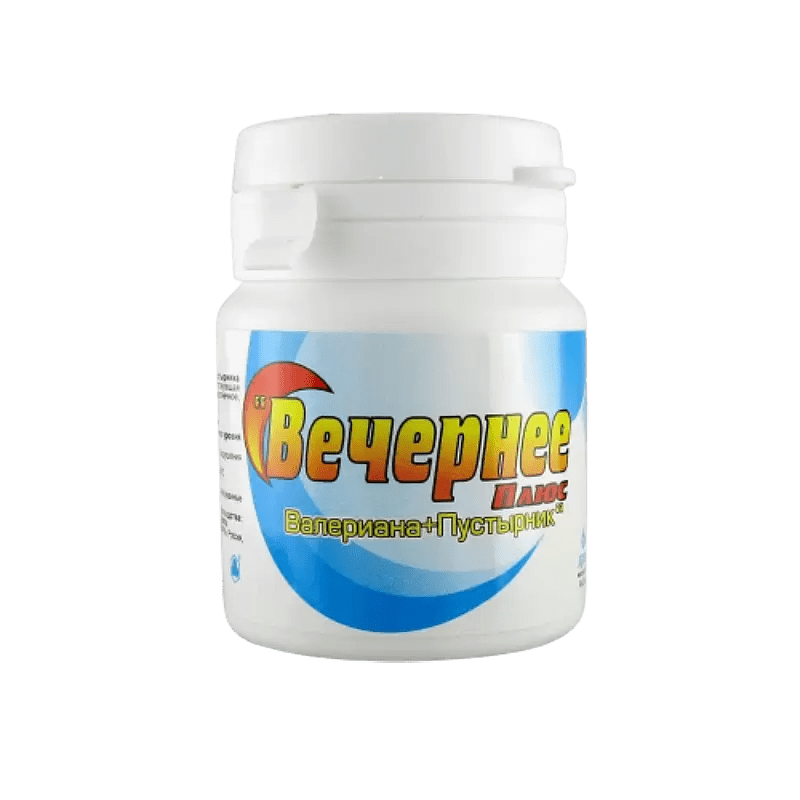

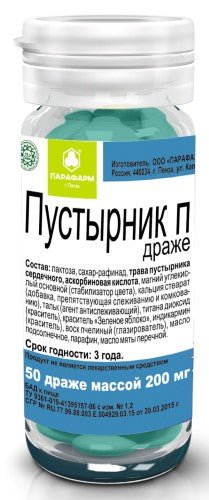
Motherwort is one of the most recognizable calming herbs in the post-Soviet home tradition. Under the botanical name Leonurus cardiaca it sat in the old reference books as a gentle plant for nervous tension, and it still keeps a place in the cabinet of people who are used to herbal tinctures and are in no hurry to reach for something heavier. On USA Apteka motherwort comes in several formats: an alcohol tincture in bottles of different sizes, motherwort in pieces with the extract, a dried herb for brewing, and ready herbal blends that pair it with valerian, mint, and hawthorn. Some buyers pick it as a familiar home name; others take it as part of a calmer routine through a stressful stretch.
Motherwort formats and how they differ
Motherwort comes in a handful of forms, and the right one depends on the routine rather than on which feels strongest.
A quick guide to the formats:
- the alcohol tincture, the motherwort tincture, is taken as counted drops in a little water and acts a touch faster thanks to the spirit carrier;
- motherwort in pieces with the extract is the convenient alcohol-free form, easy to carry and to dose by the pack;
- the dried herb is brewed like a herbal tea, gentler and without any spirit;
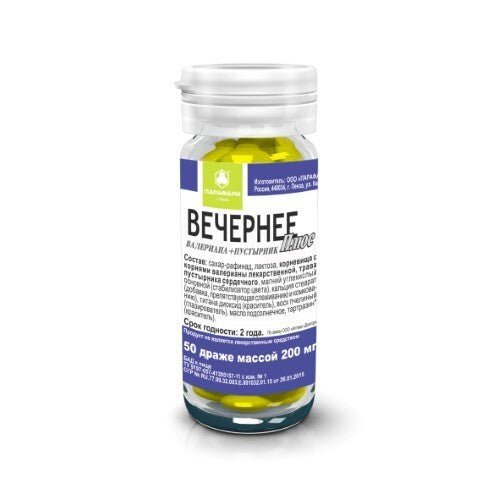
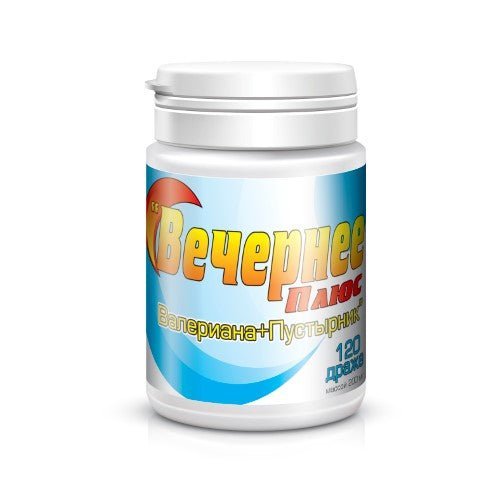
- ready blends pair it with valerian, mint, and hawthorn, balanced so the parts do not clash.
Whichever format you pick, the producer’s leaflet on the pack sets the amount and the schedule, and it is worth a read before the first use.
Where motherwort is traditionally used
It is fairer to talk about the situations where motherwort has been used in herbal tradition than about conditions a single plant somehow defeats, and that circle has been steady for a long time.
In everyday use it shows up for:
- raised nervous excitability and a generally wound-up feeling;
- occasional restless sleep tied to a busy mind;
- a racing-heart feeling that comes with stress, the kind described as the heart pounding;
- mildly raised pressure that has not crossed into a real, diagnosed problem.
It helps to be clear about what motherwort was never meant for. It is not a plant for the liver, and through stressful weeks, when the load on the liver does climb, it is wiser to choose proper liver support with a doctor and to leave motherwort to its calming role. It is not a plant for sharp joint pain either; a flare in the knees, back, or shoulders calls for local options with a clear composition, while motherwort can only help around the edges by lowering the overall tension. Lasting, diagnosed heart or pressure problems are a conversation with a doctor, not with a herbal bottle.
Motherwort at night and how it works
Yes, an evening dose is one of the most common ways motherwort is used, and it is often picked up for exactly that. By the producer’s leaflet, the alcohol tincture is usually taken as thirty to fifty drops in a little water, three or four times a day, with one of those doses falling in the evening, half an hour to an hour before bed. The logic is simple: the plant’s parts gently lower nervous excitability, and taken shortly before sleep, the background is already calmer by the time the light goes off than it was an hour earlier. The effect is mild and builds up, so the first days may feel less noticeable than the second week of a short course.
A few evening cautions are worth holding:
- if another calming routine is already running, the effects stack and the morning can feel heavier, like waking up short on sleep even after a long night;
- if pressure already runs low, motherwort can nudge it lower, and on top of the natural night-time dip that sometimes brings morning weakness or light dizziness on standing;
- if an early drive is on the cards, the spirit base of the tincture is a reason to choose an alcohol-free form for the evening, such as the pieces or the brewed herb.
The dried herb for the evening is brewed like an ordinary tea: a tablespoon of the dry herb per glass of boiling water, covered for fifteen to twenty minutes, strained, and sipped warm about an hour before bed. The pieces are taken by the schedule on the pack, usually one or two, two or three times a day. The form is easier to choose around your own day than around general advice online.
Motherwort and the blood, thinning or thickening
This is one of the most common motherwort questions in search, and the short, honest answer is that in serious terms motherwort is neither a strong blood-thinner nor something that noticeably thickens the blood. A few of its parts, the flavonoids rutin and quercetin, have shown a faint effect on the vessel wall and on small-vessel flow in studies, but that is far from the strength of the real thinning options a doctor may advise. Leaning on motherwort to thin the blood in any practical sense is not the idea, and if a doctor has advised proper anti-clot care, no herbal tincture replaces it.
On the other side, there is no real basis to fear that motherwort dangerously thickens the blood at a normal amount. Within the short, standard schedule on the leaflet it works mainly as a gentle calming herb and as light background support for a stress-linked racing-heart feeling. On the flow properties of the blood in a healthy adult it has no meaningful effect. If a course of anti-clot, anti-platelet, or serious pressure care is running in parallel, it is worth telling the doctor about adding motherwort, less for any high risk and more on the plain rule that a doctor should know everything you take.
In real life this topic shows up wrapped in myths, that motherwort replaces pressure pieces, beats aspirin, or cleans the vessels. All of those are best met calmly and realistically: they match no serious reference, and the leaflets of motherwort products print nothing of the kind. It is a gentle plant with a clear, modest role, and loading louder tasks onto it usually ends in disappointment.
Motherwort or valerian, the difference
There is no straight «one is better» answer here, because valerian and motherwort are different plants with different profiles, and the choice usually depends on the situation. Valerian works softer and slower: its effect shows clearly by the end of the first or second week of regular use, and it suits an anxious, hard-to-fall-asleep evening and people who do not get on with louder calming options. Motherwort works a touch faster and more noticeably: it is better known where wound-up nerves meet a mild, stress-linked racing-heart feeling, and it is often named next to valerian as the stronger relative. In real practice the two are frequently combined, and both appear in many herbal blends and drops.
A simple everyday guide:
- if the main request is «calm down and fall asleep» with no racing-heart feeling, valerian often lands better;
- if the request is «stress plus a pounding heart», motherwort usually works more to the point;
- when the two come ready-combined in drops, that is fine, but the amount is not doubled, since the leaflet already accounts for the combined calming effect.
One limit applies to both: the alcohol tincture does not suit a sensitive or inflamed stomach, so for anyone dealing with that it is wiser to talk through the options for gastritis care with a doctor and to choose an alcohol-free form of herbal support, such as the pieces or the brewed herb.
Who should take motherwort carefully
Motherwort has a gentle profile, but it still has situations where there is no rush.
It is approached carefully:
- with naturally low blood pressure, where it can nudge the numbers lower;
- alongside other calming or sleep routines, where the effects stack;
- with a sensitive or inflamed stomach, where the alcohol tincture can irritate and an alcohol-free form is the calmer choice;
- before driving or focused work, when the spirit base of the tincture is a reason to wait or to switch forms;
- during pregnancy and breastfeeding, and for children, where the decision belongs with a doctor.
If a course brings daytime drowsiness, a drop in pressure, or any unexpected reaction, the bottle is set aside and the situation is talked through with a doctor.
A few facts about motherwort
A few details help place the plant and explain its long run in the home cabinet.
Worth knowing:
- the botanical name is Leonurus cardiaca; the heart in the name points to its old reputation as a calming herb for a stress-linked racing-heart feeling;
- its parts include iridoids (among them leonurine), flavonoids such as rutin and quercetin, saponins, tannins, essential oils, and small amounts of alkaloids;
- the effect is mild and cumulative, clearer in the second week of a short course than on the first night;
- it comes as a tincture, in pieces, as a dried herb, and in ready blends;
- the date and storage terms are printed on the box.
Where to find motherwort
Motherwort on USA Apteka comes in several formats, an alcohol tincture in bottles of different sizes, pieces with the extract, a dried herb for brewing, and ready blends with valerian, mint, and hawthorn, all in the original factory pack from European and CIS-region producers. Orders are placed online, delivery is free over $69, and the support team is glad to help by chat or WhatsApp with a format or a stock check; regular customers have a bonus program and seasonal offers.
Storage is simple: a dry, cool place out of direct sunlight, with the tincture kept tightly closed, and the date on the box. Motherwort is a calm, time-tested plant with a clear role, gentle support through situational stress, restless evenings, and a stress-linked racing-heart feeling, and it slips easily into an evening routine when a doctor has no objection. Beyond that role it loses its edge, so steady pressure, heart-rhythm, liver, or joint concerns are better taken to a doctor than to a herbal bottle. Take care of yourself, and let motherwort keep the quiet evening job it has done for decades.
Please Chat with us or send us a message on WhatsApp