

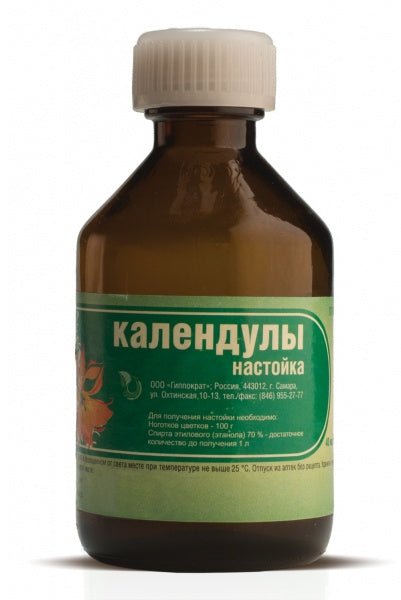
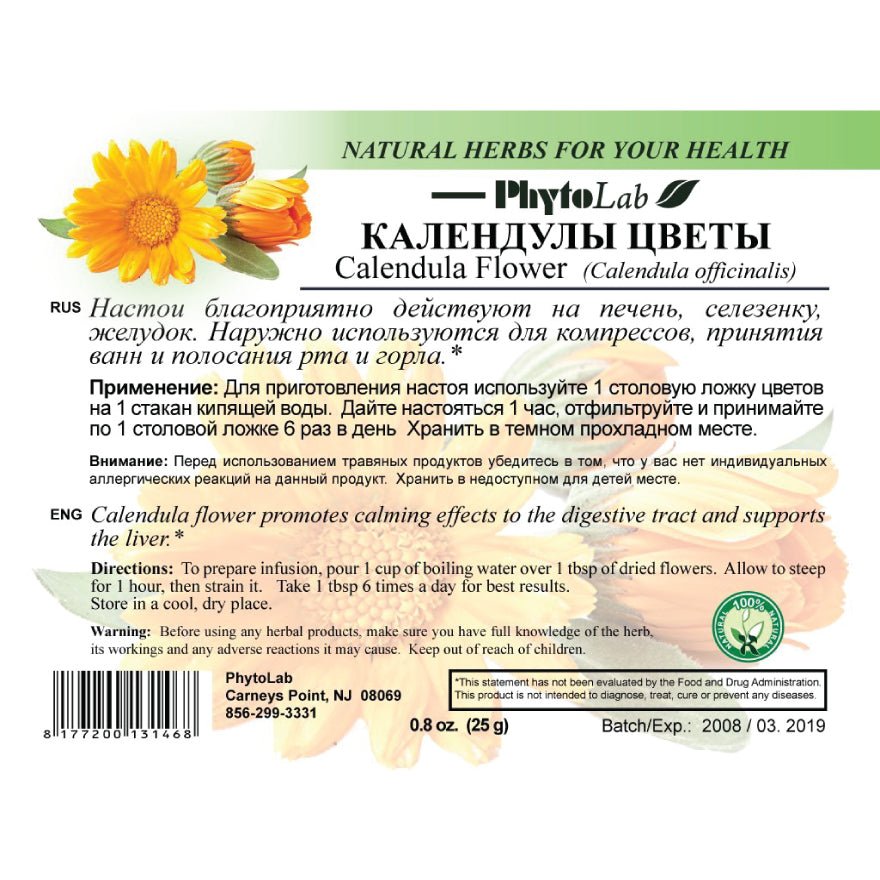
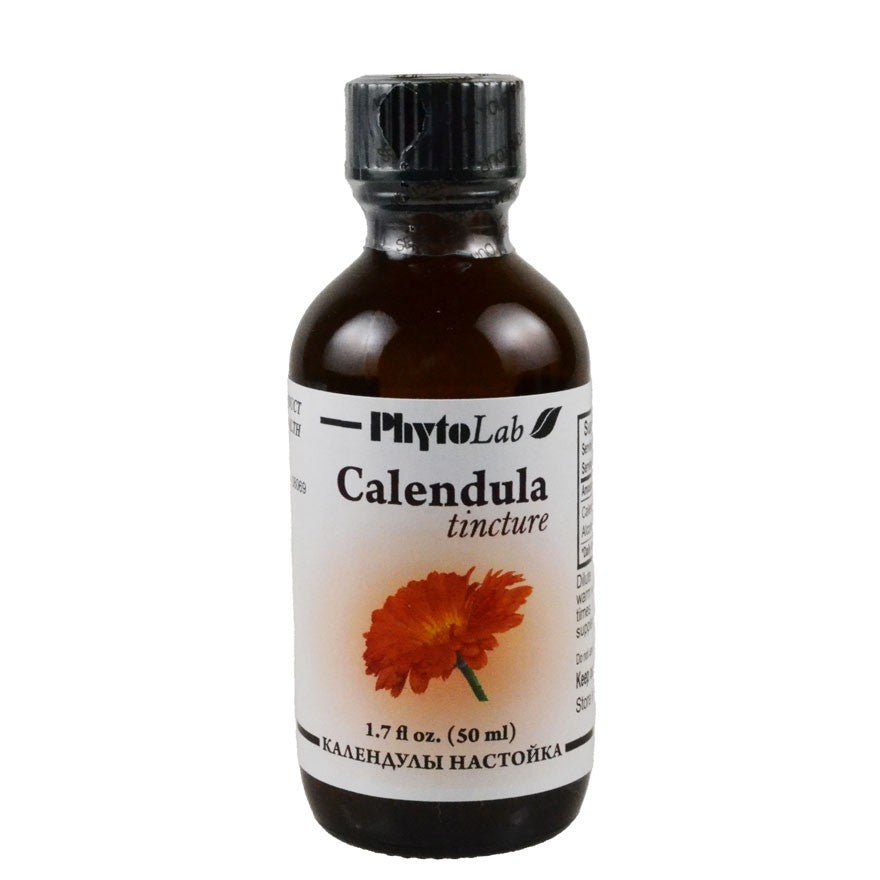
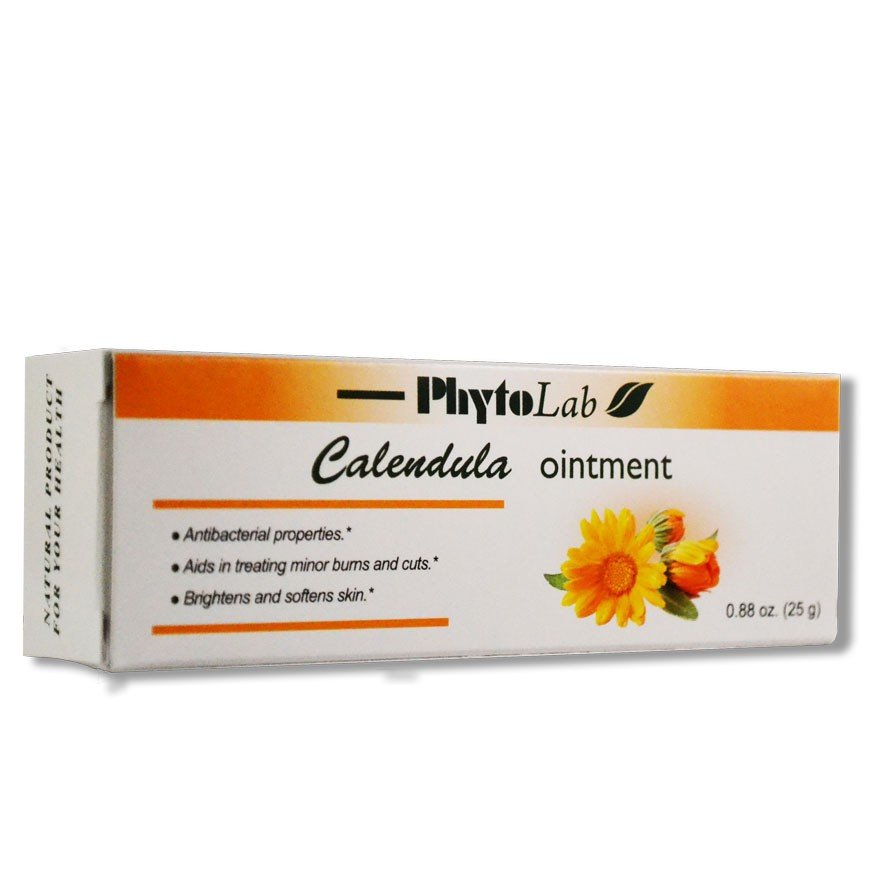
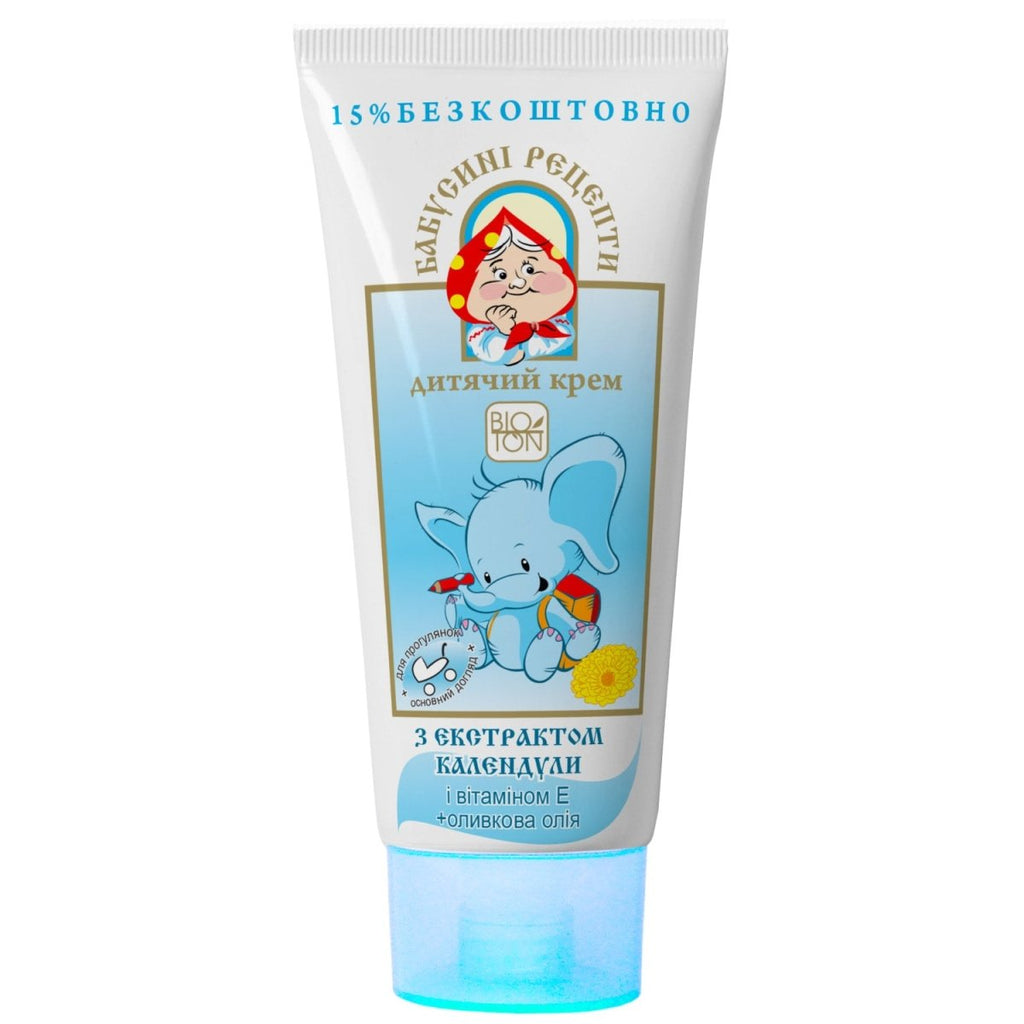


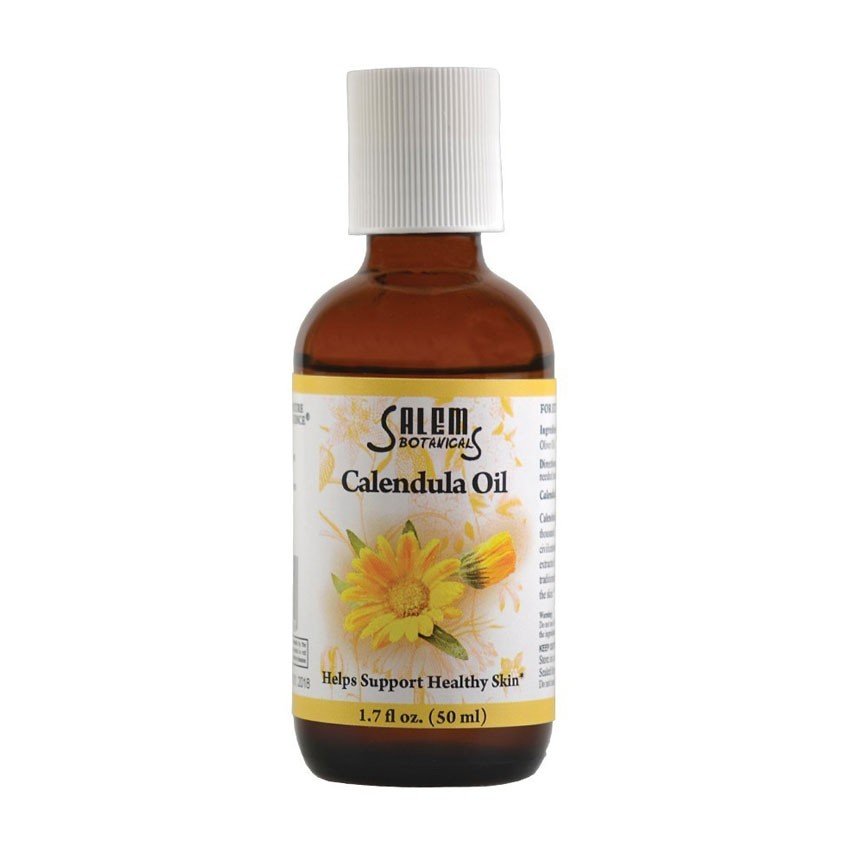


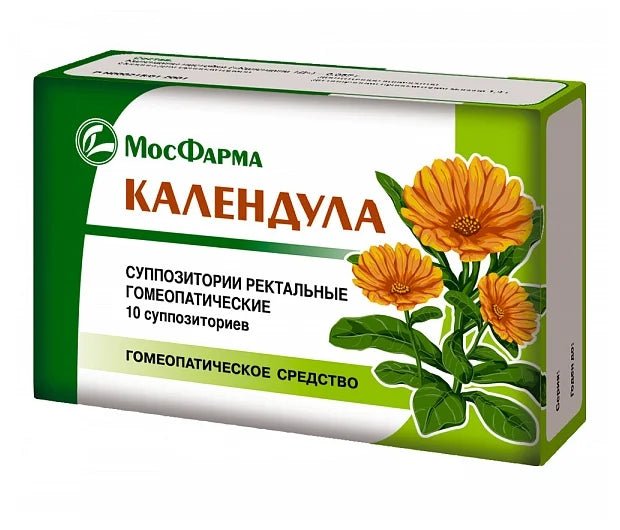

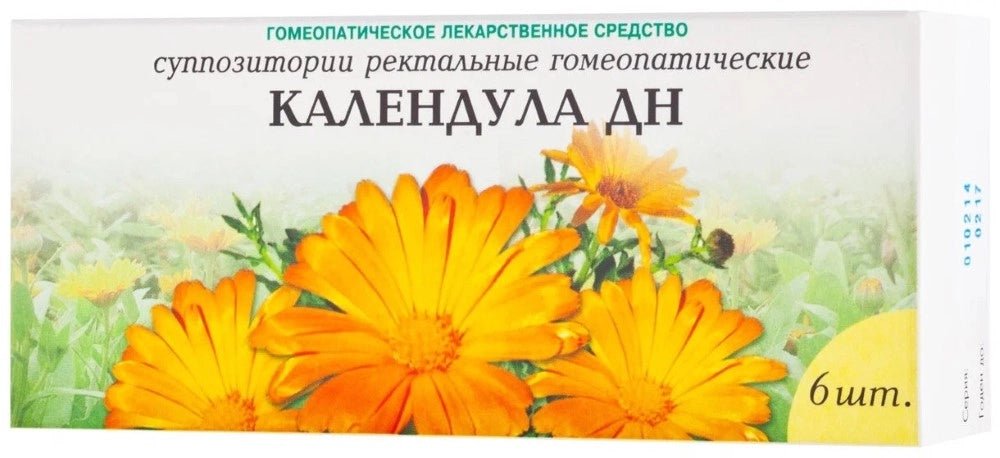

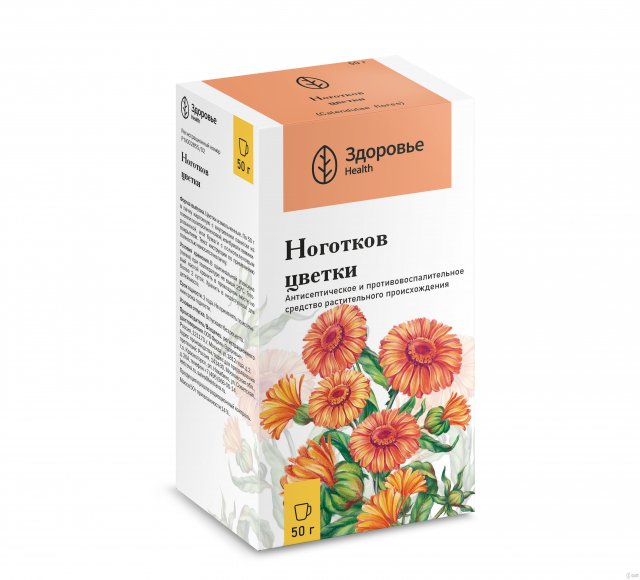
Calendula is the bright orange garden flower many people know from childhood beds and grandmother’s recipes. In references it is listed as Calendula officinalis, often called marigold in English, and it is the vivid petals that go to work. On USA Apteka, calendula comes in several familiar formats: an alcohol-based calendula tincture in bottles of different sizes, dried calendula flowers for brewing, ointment in tubes, and personal care products built around the extract. It is one of the most versatile botanical staples of a home kit, kept for skin care, for a throat and mouth rinse, and as a gentle bitter for the digestion. Under the botanical name Calendula officinalis it sits in the pharmacopoeia of many European and CIS-region countries as a plant with a long, well-documented history of use, which is part of why families have trusted it across generations.
Where calendula is traditionally used
It is fairer to talk about the situations where calendula has been used in herbal tradition than about conditions a single flower somehow defeats, and that list has stayed remarkably stable for decades. The best-known and gentlest uses are on the outside of the body.
In everyday home use it shows up for:
- small skin issues, such as cuts, grazes, light scuffs, and areas of irritation in adults and teenagers;
- a diluted rinse for a sore mouth or throat, and for tender gums;
- oily, easily reddened skin that responds to a gentle wash;
- dry, cracked patches, where the ointment suits elbows, cuticles, and weather-worn skin.
Inside the body, calendula is approached more carefully. A bitter botanical, the tincture is described in herbal practice as a mild support for bile flow and for a sensitive stomach, used in short courses for functional, non-acute concerns of the upper digestive tract. Some folk practice also links it to gentle support of the pancreas in quiet, functional situations. That kind of concern belongs in a conversation with a doctor first, with a herbal item kept in a supporting role rather than as a stand-in for proper care.
Calendula formats and how they differ
Calendula comes in a handful of forms, and the right one depends on the task rather than on which is strongest.
A quick guide to the formats:
- the alcohol tincture is concentrated and is meant to be diluted for a rinse, for compresses, or taken as counted drops in water;
- dried calendula flowers are brewed into an infusion for rinses, compresses, or a bitter tea;
- the ointment is a thin-layer option for dry, irritated skin;
- oils and personal care products carry the extract in a milder, everyday form.
In stores the standardized product is often labelled as pharmacy-grade calendula, and online a search for «calendula at the pharmacy» usually lands on the ready tincture or the dried flowers. Whichever format you pick, the producer’s leaflet inside the pack sets the dilution and the schedule, and it is worth reading before the first use.
How calendula is used on the skin
The outside-the-body uses are the gentlest and the most common, and they are the real reason a bottle or a tube sits in the home kit. The concentrate is almost always diluted first: neat alcohol tincture is not put on an open graze or on the lining of the mouth.
A few everyday scenarios:
- shallow grazes and small cuts are rinsed first with clean water, then dabbed with a pad of diluted tincture (roughly a teaspoon in a glass of water), without rubbing the spot;
- single blemishes are dried with neat tincture applied with a cotton bud, point by point, not across the whole face;
- light chafing and irritation in skin folds in adults are wiped with an infusion or a well-diluted tincture, to avoid stinging;
- dry, cracked patches, elbows, cuticles, and weather-worn skin take a thin layer of ointment once or twice a day;
- for a throat gargle the warm solution is not swallowed, and nothing is eaten or drunk for half an hour afterward.
The point worth holding onto is that this is not a universal cream for everything, but a specific product for specific situations. If a patch weeps, hurts sharply, or the irritation keeps spreading, home care steps aside and a doctor takes over.
How calendula is taken before or after meals
By the producer’s leaflet for the alcohol tincture, the single adult dose for internal use is usually ten to twenty drops, diluted in fifty to one hundred millilitres of drinking water, two or three times a day. The exact figure depends on the situation and is printed on the specific pack, so the insert comes first.
A few practical points on timing:
- for a bitter, digestion-supporting goal, the drops are taken before meals, roughly fifteen to thirty minutes ahead, so the action lines up with the food about to arrive;
- if a sensitive stomach reacts to the bitter taste, some people shift to just after a light meal instead;
- for gargles and mouth rinses the routine flips: about a teaspoon of tincture in a glass of warm boiled water, three or four times a day after meals, with no eating or drinking for half an hour afterwards;
- for skin compresses the tincture is diluted further, around one part to ten.
Internal courses are usually short, two to three weeks, then a pause; long unbroken courses are not the herbal pattern. If a calendula course gets layered onto a short herbal routine for occasional constipation, the cleaner move is to space them apart, and to switch to a predictable digestive option when a real, repeating issue calls for it. If a short course changes nothing, the next step is a doctor, not a longer course.
Who should avoid calendula
The list of people who skip calendula internally is set out in the standard leaflet and has been steady for a long time.
It is generally not used:
- with a known intolerance of daisy-family plants (Asteraceae), which also covers chamomile, yarrow, and ragweed;
- during pregnancy, since calendula is traditionally listed among plants that can influence uterine tone; breastfeeding calls for a doctor’s go-ahead first;
- by young children internally, with the leaflet usually setting the limit around twelve years and only with proper dilution;
- with low blood pressure, a slow resting heart rate, or a tendency to low blood sugar, where it is added carefully and in coordination with a doctor.
The alcohol base adds its own limits: it is set aside before driving, kept away from anything that should not meet alcohol, and avoided with active liver conditions. One folk habit worth naming plainly is bitter drops on an empty stomach «for cleansing» as a weight trick; that is not backed by evidence, and a weight goal deserves a real plan with a doctor rather than a herbal shortcut. A small number of people get heartburn or mild nausea on internal use; if that happens, the course is stopped and an alternative is discussed with a doctor. And anyone who has reacted to chamomile or other daisy-family plants is safer keeping to external use only, and even then with attention.
A few facts about calendula
A few details help place the flower and explain its long run in the home kit.
Worth knowing:
- the botanical name is Calendula officinalis, of the daisy family; the common name is marigold, and in the post-Soviet world, ноготки;
- the petals carry flavonoids, carotenoids (including the beta-carotene behind the orange colour), essential oils, saponins, triterpene alcohols, and small amounts of coumarins;
- it has been part of skin care and home routines for centuries;
- the Latin calendula comes from calendae, the first day of the Roman month, a nod to its long, almost month-after-month flowering;
- the tincture is usually made on seventy-percent alcohol, which is why the concentrate is diluted before use;
- the effect builds across a short course rather than switching symptoms off in an evening;
- no honest leaflet promises a fix «in three days», and neither does the flower.
Where to find calendula
Calendula on USA Apteka comes in several formats, an alcohol tincture in bottles of different sizes, ointment in standard tubes, dried flower heads for brewing, plus ready blends and personal care built around the extract, all in the original factory pack from European and CIS-region producers. Orders are placed online, delivery is free over $69, and the support team is glad to help by chat or WhatsApp with a format or a stock check; regular customers have a bonus program and seasonal offers.
A word on combinations. In blends, calendula often sits next to chamomile, yarrow, sage, and St John’s wort, and ready blends are balanced so the components do not clash on dose or timing. Mixes thrown together by eye are far less predictable, especially for anyone sensitive to daisy-family plants, so it is safer to stay with ready blends and their leaflet. One practical note on storage: a tincture bottle is best kept away from a hot stove or a sunny windowsill, since the alcohol base evaporates and the essential oils oxidize, and within a few months in the sun the bottle ends up noticeably weaker than the label says.
Storage is simple: a dry, cool place out of direct sunlight, ideally below twenty degrees for the tincture, with the date on the box and a few months of use once a bottle is opened. And the sensible rule for a herbal staple is to keep courses short and to see a doctor when a symptom is sharp, repeating, or hard to read. Take care of yourself, and let calendula play the calm, supporting part it has played for centuries.
Please Chat with us or send us a message on WhatsApp